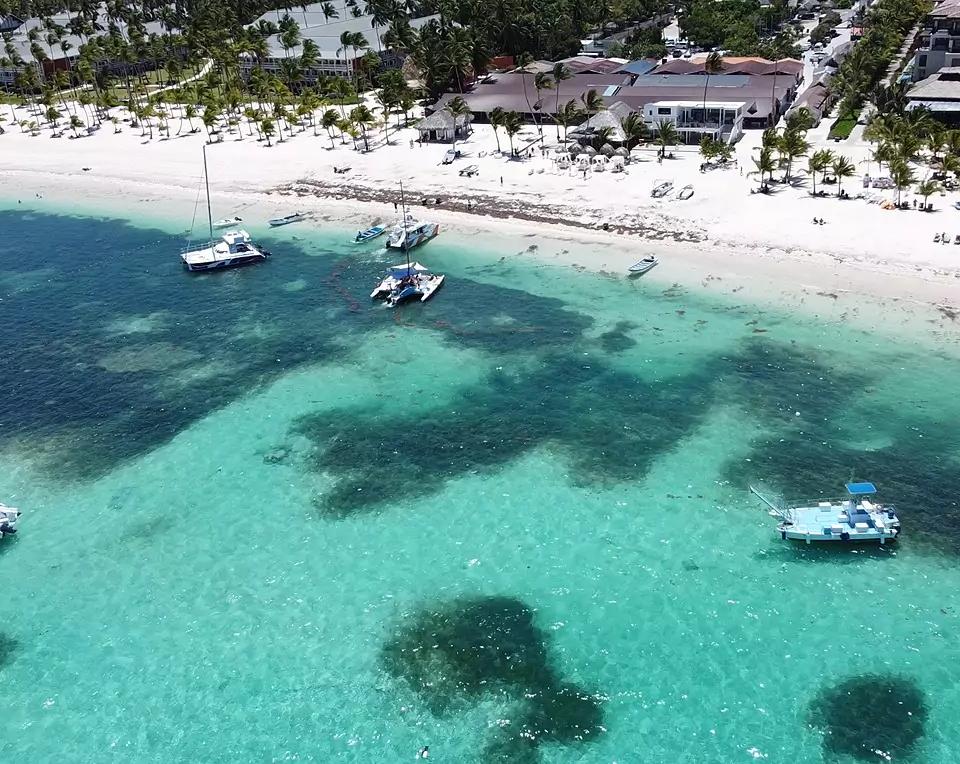
Mejor época para viajar a Punta Cana (2026): mes a mes — clima, precios, sargazo, huracanes
Última actualización:
Cada mes en Punta Cana en una guía honesta: clima, mar, sargazo, huracanes, precios y las mejores excursiones — escrita por el equipo dominicano que opera los tours.
The 30-second answer
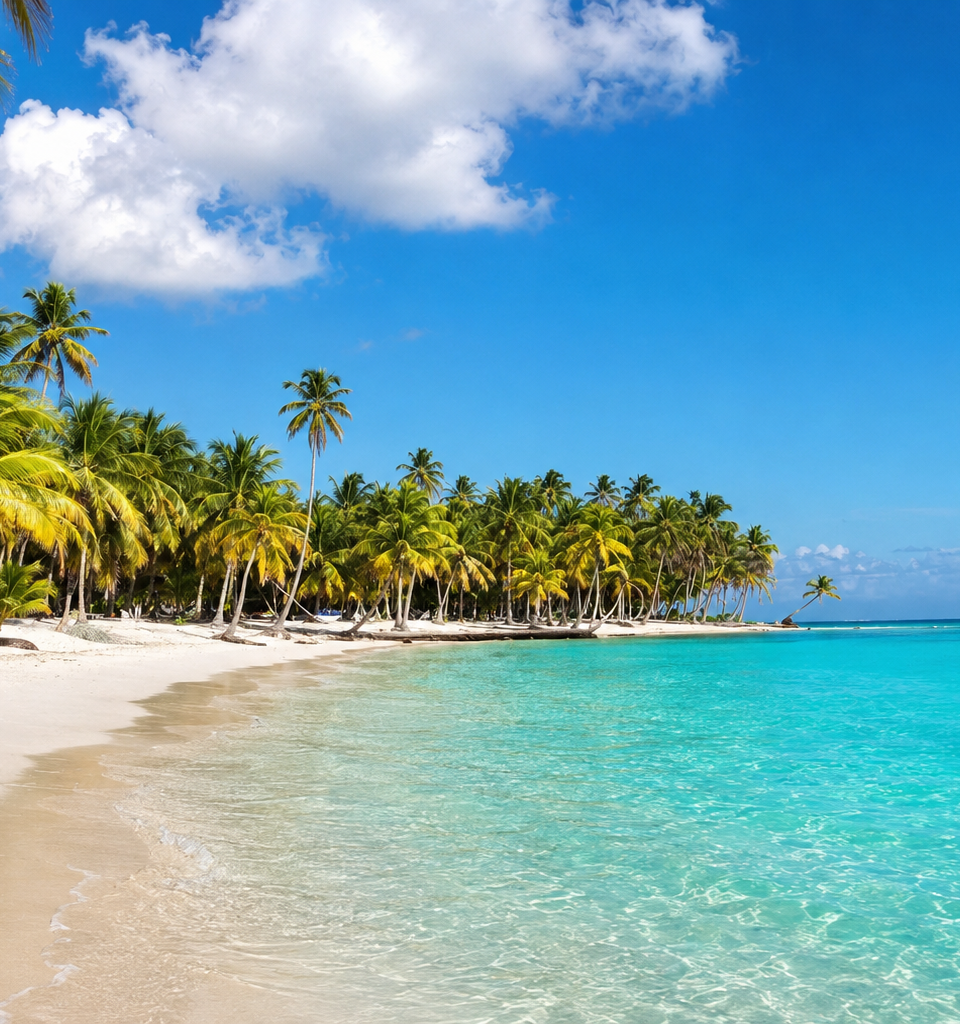
The best time to visit Punta Cana is mid-November through late April — dry season, calm Caribbean sea, near-zero sargassum, and reliable sunshine. Within that window, February and March are statistically the best-weather weeks of the year; early December and late November are the best value-to-weather trade-off.
The cheapest weeks are early September — but that's also the statistical peak of Atlantic hurricane season, so book flexible fares and travel insurance with weather cancellation cover.
The one thing every published "best time to visit" article gets wrong is treating Punta Cana like one beach. The east-facing coast (Bávaro, Uvero Alto, Macao) gets significantly more sargassum from May to September than the south-facing Juanillo Beach in Cap Cana, which stays swimmable almost year-round. Where you stay matters as much as when you go.
Weather in Punta Cana at a glance — the honest month-by-month table
Averages from NOAA, the Dominican Republic's Oficina Nacional de Meteorología (ONAMET), and the Sargassum Monitoring Network. Sea and rain figures are the 10-year averages at Punta Cana International Airport (PUJ) and Bávaro Beach; values on the sheltered south coast (Bayahibe, Cap Cana) run 1–2 °C warmer and slightly drier.
Weather: Dry, breezy, ~28 °C highs, low humidity — the most comfortable month of the year. Trade winds keep afternoons fresh, evenings need a light layer at Cap Cana marina restaurants.
Sea: 26 °C, calm on the Bávaro reef side, choppier for open-water crossings — Saona speedboat still runs daily, sunset catamarans sometimes cut short if trade winds spike above 20 knots.
Sargassum: Near-zero. This is the clearest-water month of the year.
Crowds & prices: Peak season. Resort prices +40–60 % vs September, restaurants need reservations 5+ days ahead, top excursions sell out 10 days out.
Events: Three Kings Day (Jan 6, quieter local celebration), Duarte Day (Jan 26).
Deep dive: our full Punta Cana in January guide covers hotel picks, tour swaps and packing extras for this specific window.
Punta Cana in February
Weather: The single best-weather month. ~28 °C highs, 5 rain days on average, low humidity, brilliant blue skies.
Sea: 26 °C, generally calm. Best snorkelling visibility of the year at Catalina reef.
Sargassum: None.
Crowds & prices: Peak of peak. Presidents' Week (US) and Carnival travellers overlap. Book 6–8 weeks ahead.
Events:Dominican Independence Day (Feb 27) and Carnival Sundays across the country — Punta Cana runs a smaller parade; Santo Domingo and La Vega are the real spectacle. Book a Samaná day trip to catch humpback whale watching in Samaná Bay (mid-January to late March window).
Deep dive: our full Punta Cana in February guide covers hotel picks, tour swaps and packing extras for this specific window.
Punta Cana in March
Weather: Still dry-season perfection. Highs creeping toward 29 °C, evenings warm enough for beach-side dinners.
Sea: 26 °C, calm.
Sargassum: First light patches on east-facing beaches (Uvero Alto, Macao) late in the month. Bávaro reef stays clean.
Crowds & prices: US Spring Break weeks (mid-March) are the loudest — party boats, Coco Bongo and Bávaro Beach all peak. Resort prices ease slightly outside those two weeks.
Events: Last chance for whale watching in Samaná Bay (through ~March 20). Semana Santa (Holy Week) sometimes falls late March.
Deep dive: our full Punta Cana in March guide covers hotel picks, tour swaps and packing extras for this specific window.
Punta Cana in April
Weather: Warming, still mostly dry. Highs ~30 °C, sea 27 °C, humidity climbing but not oppressive.
Sea: Very warm and calm — the shoulder before the summer sargassum window.
Sargassum: Light, patchy, mostly cleared by resort teams.
Crowds & prices: Easter (Semana Santa) is the busiest week for Dominican domestic tourism — beaches at Boca Chica and Bayahibe are packed with locals, but Bávaro resorts stay international. After Easter, prices drop noticeably.
Events: Semana Santa (variable date). Alcohol sales are restricted on Good Friday.
Deep dive: our full Punta Cana in April guide covers hotel picks, tour swaps and packing extras for this specific window.
Punta Cana in May
Weather: Start of the "green season". Highs 30 °C, humidity high, ~9 rain days but mostly short late-afternoon showers that pass in 30 minutes.
Sea: 28 °C, bath-warm.
Sargassum: Moderate east-coast arrivals begin. Bávaro resorts run daily cleanup crews; Cap Cana less affected because Juanillo is west-facing.
Crowds & prices: Sweet spot for value — resort prices down 25–40 % vs March, everything still fully operating.
Events: Mother's Day (last Sunday of May) — Dominican families flood beaches; book restaurants ahead.
Book: anything. May is a locals' secret. Prioritise Saona for the still-calm sea and Macao horseback for the golden-hour photos.
Deep dive: our full Punta Cana in May guide covers hotel picks, tour swaps and packing extras for this specific window.
Punta Cana in June
Weather: Officially hurricane season starts (Jun 1), but June statistically sees fewer than 5 % of Atlantic named storms. Highs 31 °C, humidity oppressive by mid-afternoon.
Sea: 28 °C, warm, generally calm.
Sargassum: Building toward the summer peak. East-facing beaches (Macao, Uvero Alto) get the most, Cap Cana Juanillo the least.
Crowds & prices: Low season with a European bump (school out mid-June). Great value.
Deep dive: our full Punta Cana in June guide covers hotel picks, tour swaps and packing extras for this specific window.
Punta Cana in July
Weather: Hot and sunny with brief afternoon rain. Highs 31 °C, sea 29 °C.
Sea: Warmest of the year, generally calm — perfect for kids.
Sargassum: Peak. This is the honest month to know about. Bávaro and Uvero Alto beaches can have significant seaweed until resort crews clear it by ~10 a.m.; boat trips to Saona, Catalina and Cap Cana yacht routes are unaffected because they visit protected pockets.
Crowds & prices: European summer holiday peak. Resort prices climb again (~+30 % vs June). Book 4–6 weeks ahead.
Events: Merengue Festival in Santo Domingo (late July).
Deep dive: our full Punta Cana in July guide covers hotel picks, tour swaps and packing extras for this specific window.
Punta Cana in August
Weather: Peak heat, peak humidity, peak sargassum, and the first serious hurricane risk (~15 % of Atlantic named storms hit August). Highs 32 °C.
Sea: 29 °C.
Sargassum: Peak.
Crowds & prices: Still busy through mid-August (Europe), then prices collapse from August 20 onward.
Events: Restoration Day (Aug 16).
Book: boat excursions, resort pool days, and travel insurance with hurricane cover is non-negotiable from here through October.
Deep dive: our full Punta Cana in August guide covers hotel picks, tour swaps and packing extras for this specific window.
Punta Cana in September
Weather: The month locals whisper about. Cheapest resort prices of the year, but statistically the peak of hurricane season (~35 % of all Atlantic named storms hit Sep). Rain days climb to 11.
Sea: 29 °C, warm but often choppy.
Sargassum: Still high early, easing late month.
Crowds & prices: Empty resorts, resort prices down 50–60 % vs January. Some smaller restaurants and tour operators close for the month.
Events: Merengue Festival (early September) in Puerto Plata.
Book: Travel insurance with hurricane and weather cancellation is mandatory. Book flexible-refund fares. Watch the NHC forecast in the 72 hours before you fly.
Deep dive: our full Punta Cana in September guide covers hotel picks, tour swaps and packing extras for this specific window.
Punta Cana in October
Weather: Wettest month of the year (~12 rain days). Hurricane risk still elevated through mid-month, easing after October 20.
Sea: 29 °C, warm.
Sargassum: Easing to moderate.
Crowds & prices: Still low season — prices near September lows.
Events: Constitution Day (Nov 6, week starting late Oct).
Book: Late October (25–31) is a genuine value window as hurricane risk drops and rain eases. Book flexible.
Deep dive: our full Punta Cana in October guide covers hotel picks, tour swaps and packing extras for this specific window.
Punta Cana in November
Weather: The transition month. Rain drops to ~10 days early month, ~6 by month-end. Trade winds return, humidity crashes.
Sea: 28 °C, calming.
Sargassum: Light, mostly cleared.
Crowds & prices: Best value-to-weather ratio of the entire year. Prices still low, weather already excellent from around Nov 10.
Events: US Thanksgiving week (late Nov) is the first American price spike — book that week 3 months ahead.
Book: everything. This is the month we recommend most often to first-time visitors on a budget. Especially buggy (trails drying out) and Saona.
Deep dive: our full Punta Cana in November guide covers hotel picks, tour swaps and packing extras for this specific window.
Punta Cana in December
Weather: Peak-season conditions with mild trade winds. Highs 29 °C, humidity low, evenings cool enough for a light layer.
Sea: 27 °C, mostly calm.
Sargassum: None.
Crowds & prices: Peak of peak in the Dec 22–Jan 3 window — resort prices +80–120 % vs September, tours sell out 3 weeks ahead. Early December (Dec 1–15) is a great pocket: peak weather, moderate prices.
Events: Christmas Eve (Nochebuena) is the family celebration — restaurants close early. New Year's Eve gala dinners at Cap Cana, Hard Rock, and Melia sell out by October.
Book: everything, months ahead. Prioritise Cap Cana yacht for NYE afternoon and Saona for the first three days of the trip.
Deep dive: our full Punta Cana in December guide covers hotel picks, tour swaps and packing extras for this specific window.
Sargassum calendar — when to worry and when not to
Sargassum is the single most under-reported factor in Punta Cana trip planning. It's a floating seaweed that drifts across the Atlantic on ocean currents and lands, unevenly, on east-facing Caribbean coasts from roughly May through September, peaking in July and August.
Clean months (no sargassum concern): December, January, February. Water is glass-clear.
Low risk (patchy, easily managed): March, April, November.
Peak months: June, July, August, September.
Where you stay changes everything: if you're travelling June–September and beach quality matters, prioritise Cap Cana (Playa Juanillo faces south-west and gets ~70 % less sargassum than Bávaro), Casa de Campo/Bayahibe (sheltered by Catalina Island), or boat-based days to Saona and Catalina. Read our full sargassum guide for hotel-by-hotel notes and live cleanup schedules.
Hurricane season — the honest risk breakdown
Atlantic hurricane season runs June 1 through November 30. But the statistical risk is heavily back-loaded: over 80 % of named storms that affect Hispaniola occur between August 15 and October 20.
Punta Cana's actual track record: a direct hit from a Category 3+ hurricane on the Punta Cana resort corridor happens roughly once every 8–10 years. Tropical storms and outer rain bands are far more common but rarely disrupt more than 24–48 hours of a trip.
What actually happens during hurricane weather: resorts move guests to reinforced interior meeting rooms during watches (Punta Cana all-inclusives are built to Cat-5 code). Flights are the bigger disruption — cancellations propagate for 3–5 days after a storm passes.
How to travel in hurricane season anyway: book directly-refundable resort rates, book flexible flights, buy travel insurance the day you book (many policies exclude storms that are already named), and check the National Hurricane Center 5-day outlook in the 72 hours before you fly. Our full hurricane guide has month-by-month probability tables.
Cheapest vs best-weather — the honest trade-off
Cheapest weeks (resort + flights, per couple, mid-tier all-inclusive):
• Early September: ~US$ 1,500–2,200 for 7 nights all-inclusive incl. flights from US East Coast. • Late April – early May: ~US$ 1,900–2,600. • Early December (Dec 1–15): ~US$ 2,200–2,900 — the value pocket most travellers miss.
The value sweet spots (best combination of weather + price + low crowd density): mid-November, first two weeks of December, and the two weeks after US Thanksgiving. Full cost breakdown in our Punta Cana cost of trip guide.
Best month by traveller type
Honeymooners:February — best weather, best sunsets, whale watching in Samaná Bay as a magical bonus day. Alternative: mid-November for value.
Families with kids:June or mid-August — warmest, calmest sea, kids' clubs at full capacity, school holidays. Skip late August through October for hurricane risk.
Party travellers / bachelor(ette) groups:March (US Spring Break) or July (European summer). Party boat, Coco Bongo and Cabeza de Toro nightlife are at max energy.
Divers and snorkellers:February — best visibility of the year on the Catalina reef.
Budget travellers:May or early December — 40 % lower prices than peak with weather still 90 % as good.
Digital nomads / long-stays:November through March — comfortable temps for working outside, low humidity, best co-working availability.
Whale watching:mid-January through late March only — humpbacks migrate to Samaná Bay to calve.
Golfers:January through April — dry fairways, cooling breeze, all major courses (Corales, Punta Espada, La Cana, Cocotal, Iberostar) at full membership calendar.
Which excursions run in which months — a straight-talk table
Nearly every Cana Tours excursion runs year-round, but sea conditions and weather change the experience. Here's the honest breakdown:
Saona Island: year-round. Sea calmest Dec–Apr. Sargassum affects the mainland departure beach in Bayahibe, not Saona itself.
Catalina Island: year-round. Best visibility for snorkelling Feb–Apr.
Buggy adventure: year-round. Dry trails Nov–May are the most fun; June–October trails muddy but still open (and the mud can be the fun).
Party boat: year-round. May pause for a day or two during tropical storm watches.
If a friend asked us, blind, "when should I come?", we'd say the second half of November through the first half of December. Weather is peak-season quality (dry season locked in from Nov 10 onward), prices are still shoulder-season, sargassum is done for the year, and you avoid the Dec 22–Jan 3 chaos when the resort corridor genuinely doubles in price.
Second choice: late April. Post-Easter, sargassum hasn't arrived, sea is bath-warm, and prices drop 30 % overnight from March.
The month we'd personally avoid unless price is the only factor: September. It's not that it's guaranteed to be bad — most Septembers are perfectly pleasant — it's that when it goes wrong (a hurricane track, a rainy fortnight, resort staff on reduced-season rotation), it goes wrong in ways that ruin a trip.
That's the honest, no-marketing-fluff 2026 view. Send us your date range on WhatsApp and we'll come back with (a) the best sub-window for your traveller type, (b) which excursions to lock in first, and (c) how the sargassum and weather forecasts are actually tracking for your week. Cana Tours is a Dominican-owned local operator — we run Saona, Catalina, buggy, party boat, Cap Cana private yachts, Macao horseback, Samaná and airport transfers ourselves.
February. Statistically the driest, calmest, sunniest month of the year, with humpback whale watching available in Samaná Bay as a bonus day trip. Downside: peak prices and busiest resorts.