Weather Data
Punta Cana Wind & Marine Conditions
Updated: 2026-06-01
Executive summary
East/north-east trade winds blow year-round at 16 km/h average, ramping to 28 km/h in winter. Average wave height 0.9 m. Macao for surf/kite, Bávaro/Cap Cana for calm-water sports.
Key statistics
16 km/h
Annual avg wind
E/NE
Dominant direction
0.9 m
Avg wave height
Apr–Jun
Calmest seas
Wind direction & water-sports calendar
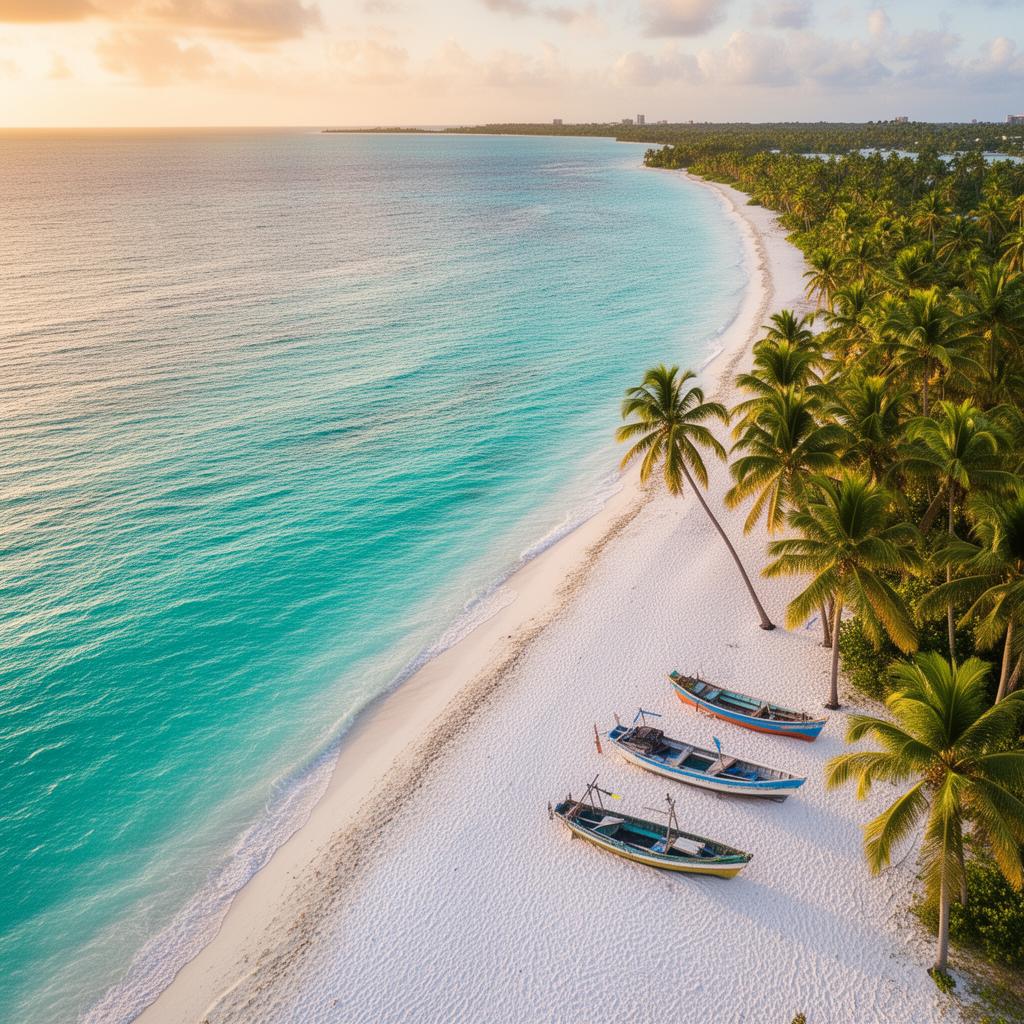
Easterly/north-easterly trade winds dominate year-round, strongest December–March (18–28 km/h). Macao Beach gets the most wind/swell — favorite of kitesurfers and surfers. Bávaro and Cap Cana are sheltered by reef. Best windsurf/kite months: Dec–Mar; best calm-sea snorkel: Apr–Oct.
Punta Cana — wind & marine conditions by period
| Period | Wind | Waves / Notes | |
|---|---|---|---|
| Jan–Mar | 18–25 km/h E/NE | 0.8–1.2 m | Caribbean trade wind belt |
| Apr–Jun | 14–18 km/h E | 0.6–1.0 m | Calmest of the year |
| Jul–Aug | 16–22 km/h E | 0.7–1.1 m | Atlantic side wavy |
| Sep–Oct | 10–15 km/h variable | 0.5–0.9 m | Quietest seas |
| Nov–Dec | 20–28 km/h NE | 1.0–1.5 m | Winter trade wind ramp |
Source: Windfinder Punta Cana station, Weather Atlas.
FAQ
Frequently asked questions
Are catamaran tours rough?+
When is kitesurfing season?+
Sources & methodology
- Windfinder — Punta Cana wind & wave statistics
- Weather Atlas — Punta Cana climate (monthly averages) — 30-year normals for temperature, rainfall, humidity, UV, sea temp
More research from the Data Center
Featured
Punta Cana Excursions
Turn what you just read into a real day on the water. These six experiences are the ones we book most for first-time visitors.
Saona Island Premium 4 Beaches Tour
Premium speedboat tour to 4 of Saona's most beautiful beaches — all inclusive.
✓ Reserve now, pay on tour day
Catalina Island Tour
Snorkel the famous wall reef and unwind on a white-sand beach — All Inclusive with open bar & Dominican buffet.
✓ Reserve now, pay on tour day
Party Boat & Snorkeling
3 hours all-inclusive: all-you-can-drink open bar, snorkeling, dolphins and the legendary sandbar pool party.
✓ Reserve now, pay on tour day
Macao Buggy & Cenote Adventure
Off-road buggy ride, private cenote swim & Dominican tastings in the Macao countryside.
✓ Reserve now, pay on tour day
Horseback Beach Riding
Trot along untouched Caribbean shoreline at golden hour.
✓ Reserve now, pay on tour day
Private Yachts
Half-day, full-day or sunset charters with captain and crew.
Price on request tailored quote
Book on WhatsApp