Cueva de las Maravillas from Punta Cana: Visitor Guide 2026
Last updated:
A cave visit for geology and Taíno heritage, not swimming. Plan the full journey, understand the admission price and decide which extra stops deserve your time.
Is Cueva de las Maravillas worth visiting from Punta Cana?
Yes, if an underground walk with geological formations and Taíno rock art appeals more than another beach day. Cueva de las Maravillas combines natural limestone scenery with cultural heritage. Its name means ‘Cave of Wonders’, but the useful expectation is a developed visitor cave, not a wild expedition or a place to swim. The interest is in looking closely and listening, rather than fitting as many activities as possible into one ticket.
The main trade-off is the road journey. A short cave visit can still take a substantial part of your day once both drives, arrival and lunch are included. We would not choose it solely to escape a passing shower at the hotel. It suits visitors who actually want this attraction and are comfortable spending time on the road. Our comparison of day outings helps place that choice within a week in Punta Cana.
Where is it—and is it the same as Los Tres Ojos?
The attraction is on the road between San Pedro de Macorís and La Romana, west of La Romana. Give your driver the full name, Cueva de las Maravillas, in the Dominican Republic. It is not inside a Punta Cana hotel, and it should not be confused with similarly named caves in other countries. The broader overview of Taíno cave visits provides context, but each attraction has its own location and visitor arrangements.
Los Tres Ojos is a separate cave-and-lagoon attraction in Santo Domingo Este; our guide to the lagoon visit near the capital explains its route and travel commitment. Cueva de Berna near Boca de Yuma and the caves in adventure parks are different again. Do not book on the word ‘cave’ alone. Ask for the actual place, the intended visit and the time there, rather than assume one cave is an interchangeable substitute for another.
What to expect inside: formations and Taíno rock art
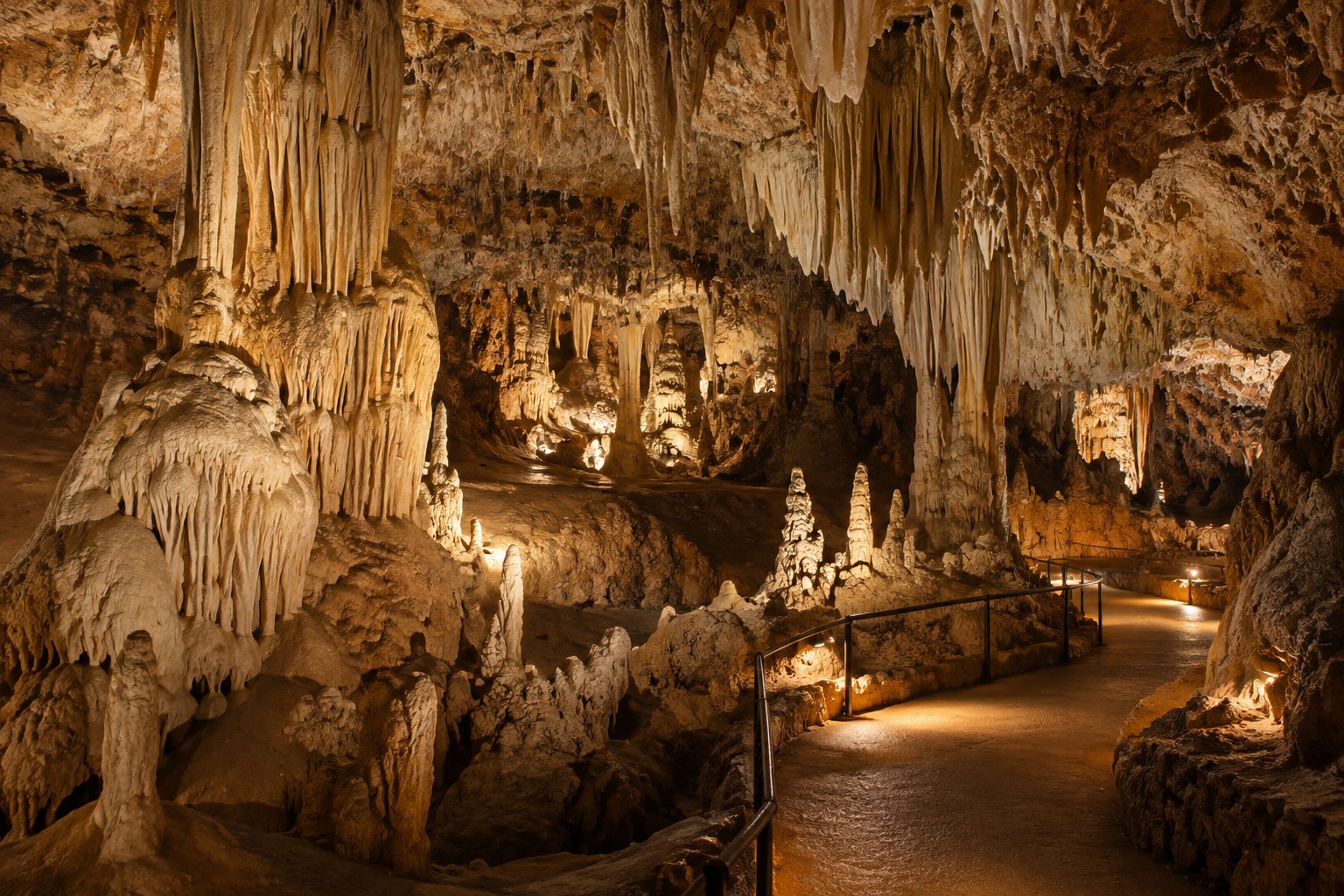
Expect a managed route through an underground setting, with lighting and prepared visitor access. Stalactites hang from the ceiling; stalagmites grow upward from the floor. Where formations meet, they can form columns. These are mineral deposits built gradually by water, not carved decorations. Move at the permitted pace and give yourself time to look, while leaving room for other visitors and following the guide's instructions.
The cave also contains Taíno pictographs and petroglyphs: painted images and marks worked into rock are different techniques. Treat them as cultural heritage, not a backdrop to touch or pose against. Ask about the language and timing of the guided visit before buying an excursion. Do not touch rock art or formations, leave the route, eat or leave litter underground. Check the current photography and recording rules before taking out a camera; lighting for visitors does not establish permission to use a flash.
Getting there: plan the return before leaving your hotel
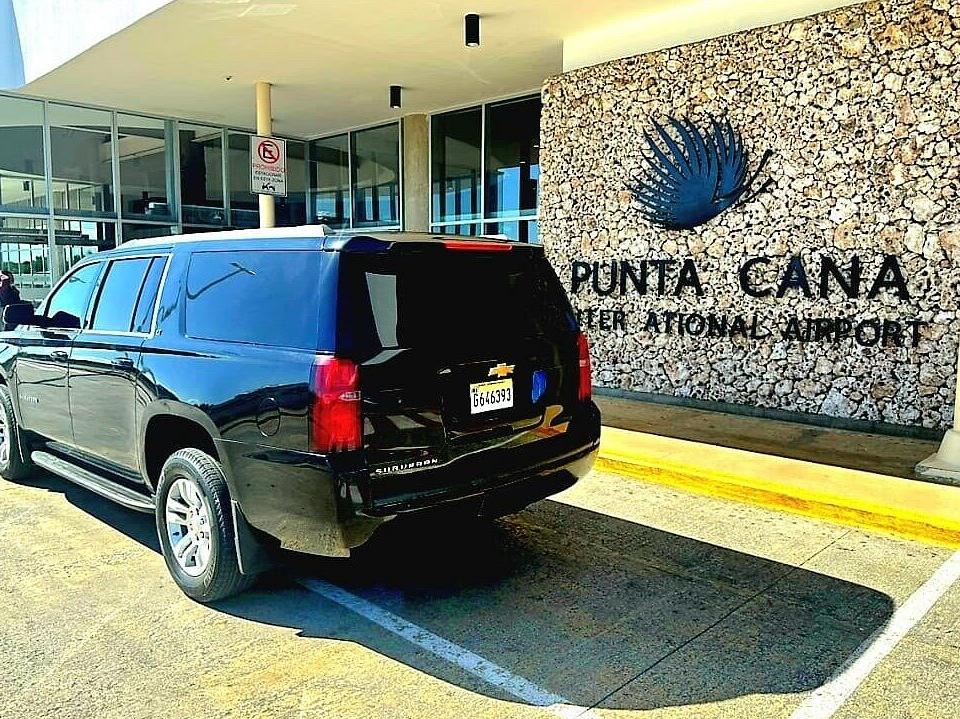
Your starting accommodation matters. Uvero Alto, Bávaro and Cap Cana are not one pickup point, and collecting other guests can add time. Request the road estimate from your named hotel to this attraction and back, with any proposed additional stop included. Separate driving time from time inside the cave. Our comparison of local transport options helps you choose between a rental car, taxi arrangement and a prebooked vehicle.
For a private-driver enquiry, state the date, group size, children's ages and the complete route. Agree the return, waiting allowance, extra-stop charges, tolls or parking where applicable, payment currency and contact details. A driver is not automatically a cave guide or an admission ticket. Do not rely on finding an app car for the return from the attraction. If using public transport, verify current connections and the final approach separately; a cheap outward fare is not a complete day plan.
Admission prices, opening times and what costs extra
Checked on 26 October 2026, the attraction's own website displays cave admission at RD$300 for adults and RD$100 for children up to 12. Treat these as the published gate-price reference, not a guaranteed quote for your travel date. Confirm the applicable category, payment method and current amount before travelling. The site also displays dollar figures; do not use them to infer an exchange rate or assume that every currency and payment method is accepted on identical terms.
The operator lists other attractions, including a maze, an iguana area and horse riding. Their presence does not prove that access, operation or every activity is included in the cave ticket. Ask what your chosen booking covers, the current opening and last-admission times, and how guided departures work. A hotel-to-hotel quote may include different services from admission alone. We do not publish an unverified opening timetable or promise that an older online price is still honoured.
Children, seniors and limited mobility: assess the actual route
The national tourism information and the operator describe a developed access system with ramps, paths and an elevator. That is useful evidence of infrastructure, not confirmation that every part will be usable for every visitor on your date. Ask whether the elevator is operating, which sections can be reached without steps, the route surface, rest opportunities and toilet access. Explain wheelchair dimensions or assistance needs if relevant. Confirm the full route rather than accepting a general ‘accessible’ label.
For children, interest in caves matters alongside comfort with darkness, enclosed spaces and walking with a group. Keep them near an adult and explain the no-touch rules beforehand. Older visitors should consider both the visit and time in the vehicle. Wear comfortable shoes with dependable grip, light clothing and a small bag that leaves your hands free. Plan water and a bathroom stop before entry. If enclosed underground spaces make someone uneasy, discuss that before booking rather than discovering it at the entrance.
Cave only, Altos de Chavón or a different cultural day?
For a focused outing, keep the cave as the main visit, allow time for arrival and the guided departure, take a proper lunch break and return. As a planning buffer, leave roughly one to two hours at the attraction rather than assuming the underground route starts as soon as your car stops. This is an allowance for the visit process, not a confirmed cave-tour duration. Let the operator's actual schedule determine the final plan.
If you want a fuller cultural day, compare the visitor guide to the stone village above the Chavón River before adding a second admission and more walking. Confirm both opening arrangements and the complete route; two appealing photographs do not prove the combination fits. For a trip centred on the capital instead, consider the Santo Domingo City Tour. That is an alternative itinerary: its name does not establish that Cueva de las Maravillas is included. Avoid adding an island excursion or a tight flight connection to the same day.
Our practical booking checklist
Send one clear request: ‘We are staying at [hotel] on [date], with [number and ages] visitors. We want Cueva de las Maravillas, with [optional stop] only if the timings work. Please confirm both drives, cave admission, guiding language, access needs, waiting, total price and expected return.’ A good reply separates confirmed inclusions from local extras. If photography, elevator access or a second stop is essential, ask what happens if that part is unavailable.
Keep sun protection and a light rain layer for outdoor portions, check weather arrangements and leave room for a slower visit. An underground attraction is not automatically unaffected by weather or maintenance. Use the existing WhatsApp contact or ask about a vehicle for your route to discuss transport without assuming a scheduled Cana.Tours cave departure. The cover is an AI-generated illustration of a limestone visitor cave; it does not document a particular chamber or its artwork.