Tourist Scams in Punta Cana (And How to Avoid Them) – 2026 Guide
Last updated:
Punta Cana is safe and welcoming — but a few classic tourist scams catch first-timers every season. Here's how to spot them and protect your trip.
Punta Cana is safe — but stay informed
Punta Cana is one of the safest and most popular tourist destinations in the Caribbean, welcoming millions of visitors every year. Most travelers enjoy a completely trouble-free vacation.
However, like in any major tourist destination, there are a few scams and aggressive sales tactics that visitors should be aware of. Knowing what to expect can save you money, time, and unnecessary frustration.
One of the most common situations tourists encounter is being approached by someone selling excursions directly on the beach. These sellers often claim they can offer the exact same excursion for half the price compared to official tour operators.
While some may eventually deliver a tour, others may sell excursions that don't exist, fail to show up on the day of the tour, provide transportation that never arrives, or offer services very different from what was promised.
How to avoid it: book through established tour operators with verified reviews, avoid paying large amounts of cash to individuals on the beach, ask for a website, business registration and online reviews, and be cautious of prices that seem too good to be true. If a /en/tours/saona-island-tour normally costs around the same across multiple operators and one seller offers it for 50% less, there is usually a reason.
Many visitors are offered free massages, free excursions, spa credits, restaurant vouchers, or discounts on activities — in exchange for attending a "short presentation."
What begins as a 30-minute meeting often turns into a multi-hour sales pitch for vacation clubs, memberships, or timeshare-style products.
How to avoid it: before accepting any free gift, ask three questions — Is this a sales presentation? How long is it? Am I obligated to buy anything? If you're on vacation and value your time, politely decline unless you're genuinely interested in the product being offered.
3. Airport taxi overcharging
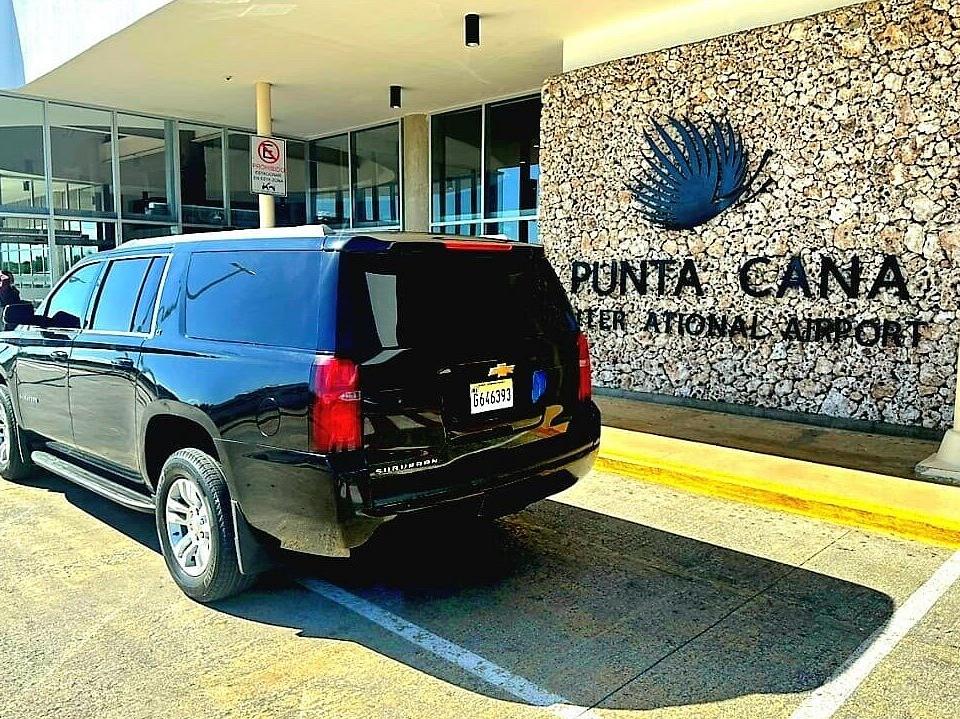
At Punta Cana International Airport, most transportation providers are legitimate. However, some travelers unknowingly pay significantly more than necessary because they don't know the standard transportation rates. This usually happens when visitors arrive without a pre-arranged transfer and negotiate on the spot.
How to avoid it: book airport transportation before arrival, confirm the price before entering the vehicle, ask whether the quoted price is per vehicle or per person, and keep screenshots of your booking confirmation. Having transportation arranged before landing removes almost all uncertainty.
A common sales tactic is creating artificial urgency. You may hear: "The price doubles tomorrow." "Only two spots left." "This discount expires in one hour." "The boat is almost sold out."
While tours can occasionally sell out during peak seasons, many of these statements are designed to pressure tourists into making quick decisions.
How to avoid it: take your time. Compare prices from multiple reputable providers and read recent reviews before booking. A legitimate tour company will not object if you spend a few minutes researching your options.
5. Beach massage pricing confusion
A vendor may offer a quick massage while you're relaxing on the beach. The initial offer might sound inexpensive, but additional charges can suddenly appear afterward — extra fees for oil, additional charges for longer sessions, or per-minute pricing that wasn't clearly explained.
How to avoid it: before agreeing to any service, confirm the exact total price, ask how long the massage lasts, and clarify whether any additional fees apply. A simple conversation beforehand prevents misunderstandings later.
6. Currency exchange tricks
Some tourists exchange money without checking the current exchange rate. This can result in receiving significantly less Dominican pesos than expected.
How to avoid it: check the exchange rate before exchanging money, use established exchange offices, count your money before leaving the counter, and avoid exchanging large amounts in tourist-heavy areas without comparing rates. Many businesses in Punta Cana also accept major credit cards — see /en/atm-cash-tipping-punta-cana for the full breakdown.
7. Rental vehicle damage claims
This issue is not unique to Punta Cana and can happen anywhere in the world. Some travelers report being charged for vehicle damage that they did not notice when picking up the vehicle.
How to avoid it: before driving away, take photos of every side of the vehicle, record a short video, photograph existing scratches and dents, and save the images until after the vehicle is returned. This documentation protects both you and the rental company.
8. Fake "official" tourist representatives
Occasionally, individuals may present themselves as official tourism representatives or excursion coordinators. Their goal is usually to sell tours or services rather than provide official assistance.
How to avoid it: verify who you're speaking with. Official airport staff, resort employees, and licensed tour operators can identify themselves clearly and operate from designated locations. If someone approaches you unexpectedly and immediately begins selling excursions, proceed with caution.
Is Punta Cana safe for tourists?
Yes. The vast majority of visitors experience no scams whatsoever and enjoy a fantastic vacation. Punta Cana's tourism industry depends heavily on visitor satisfaction, and most businesses work hard to provide excellent service.
The best way to avoid problems is simple: book with reputable companies, read recent reviews, confirm prices in advance, avoid high-pressure sales tactics, and trust your instincts. If something feels suspicious or sounds too good to be true, take a few minutes to verify the details before handing over your money.
Final thoughts
Punta Cana remains one of the Caribbean's most enjoyable and visitor-friendly destinations. Most tourists spend their entire vacation without encountering any issues at all.
By understanding a few common scams and sales tactics, you can focus on what really matters: beautiful beaches, unforgettable excursions, and enjoying your time in paradise. Start with our /en/tours roster, our /en/punta-cana-attractions-guide and the safety primer at /en/is-cap-cana-safe.
Yes. Punta Cana is one of the safest tourist destinations in the Caribbean. Resort areas, Cap Cana and Bávaro have a constant security presence, and the vast majority of visitors experience no problems at all. Use normal travel common sense: book with reputable companies, avoid flashing valuables, and prefer pre-booked transfers.