April 13, 2026 · 14 min read
Punta Cana Travel Guide 2026: Everything You Need To Know
Last updated:
A practical, no-fluff Punta Cana travel guide written by people who live here. Everything you need to plan your first trip with zero stress.
April 13, 2026 · 14 min read
Last updated:
A practical, no-fluff Punta Cana travel guide written by people who live here. Everything you need to plan your first trip with zero stress.
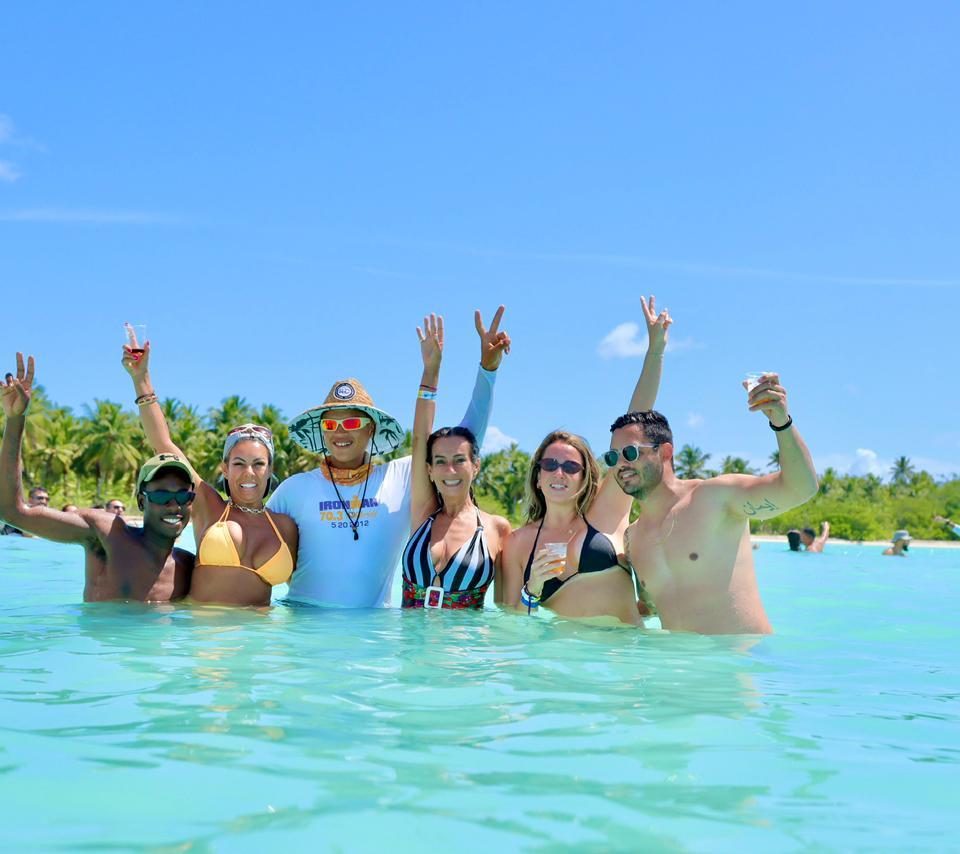
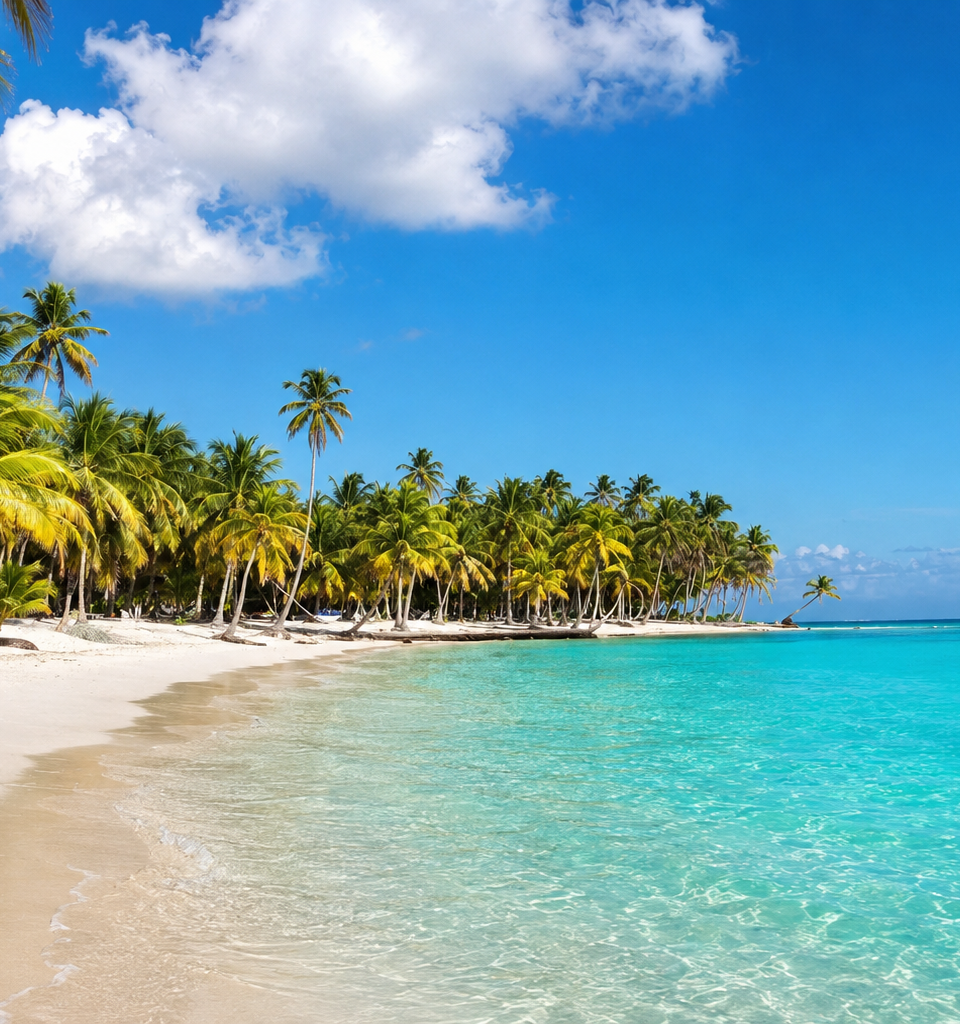
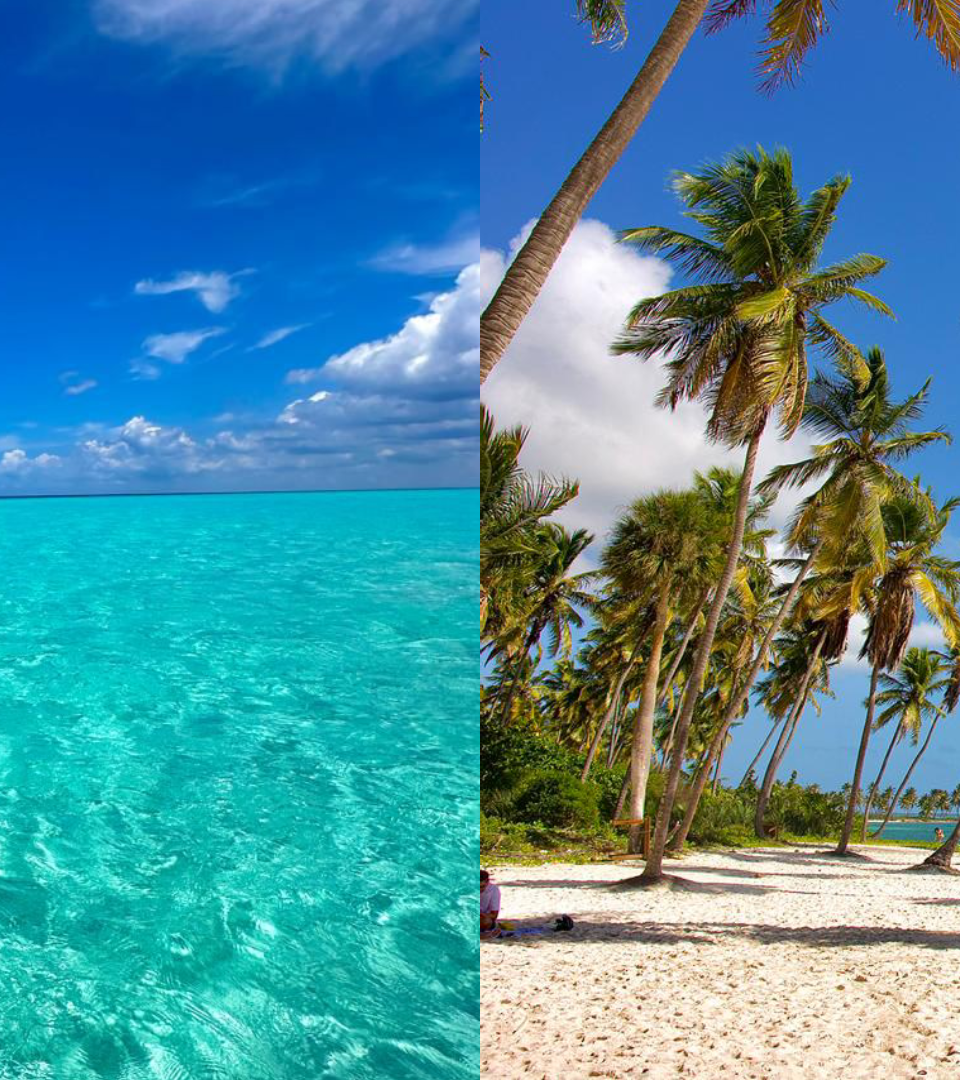
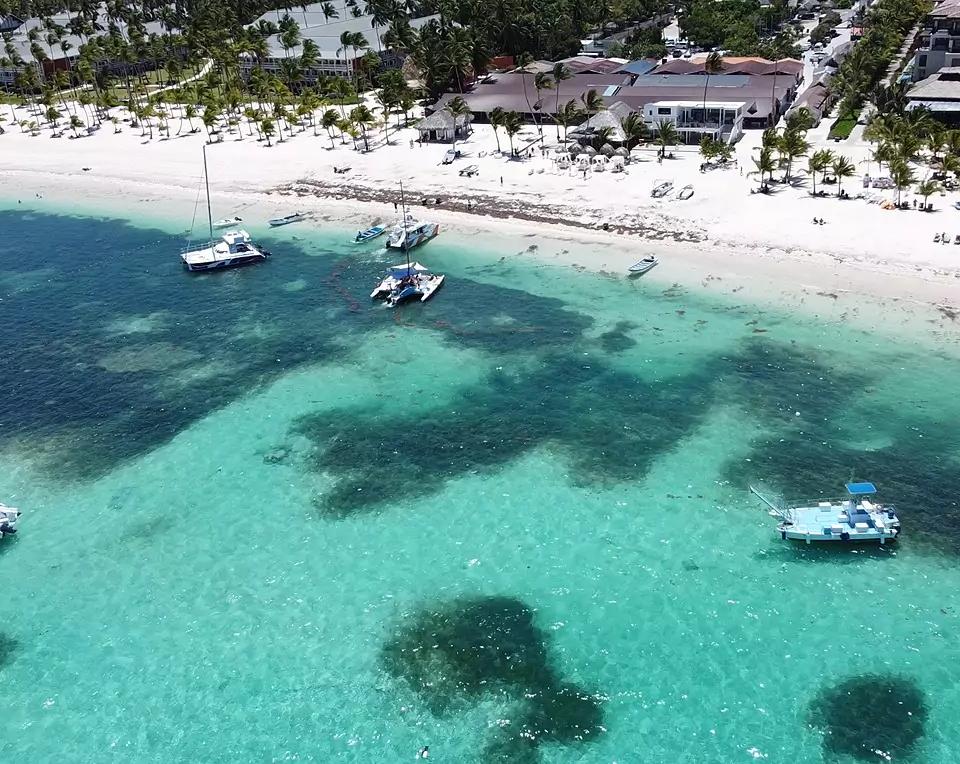
Punta Cana is the most popular beach destination in the Caribbean for a reason: easy flights, simple entry, beautiful long beaches, world-class all-inclusive resorts, and a year-round climate that makes it work in basically any month. It's the destination people come back to.
This guide covers everything we wish first-time visitors knew before they booked — flights, paperwork, money, transport, safety, food, when to come and what to actually do once you're here.
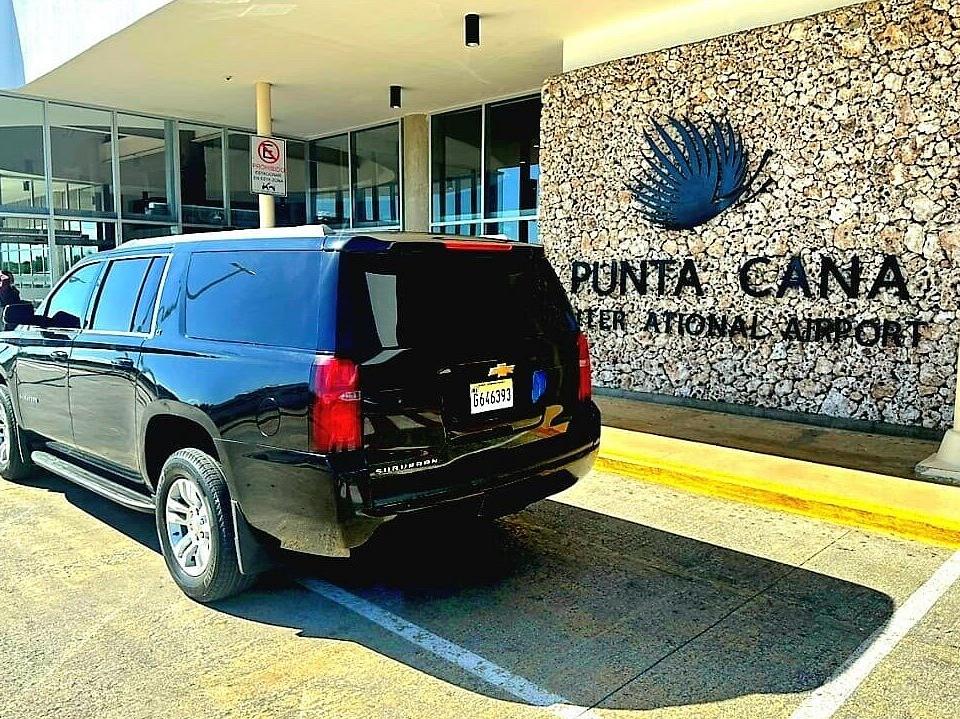
Punta Cana International Airport (PUJ) is one of the most pleasant airports in the Caribbean — open-air thatched terminals, fast immigration, and reliable direct flights from most major North American and European cities (New York, Miami, Toronto, Madrid, Frankfurt, Paris, London, Amsterdam, and more).
Direct flight from New York: about 3.5 hours. From Miami: 2 hours. From Madrid: 9 hours. From London: 9.5 hours.
On arrival you'll pay a US$10 tourist card on entry (it's included in your airline ticket for most carriers — check yours). Immigration is fast: passport, fingerprints, smile, done.
Most nationalities (US, Canada, UK, EU, Australia, most of Latin America) do not need a visa for stays up to 30 days. Your passport just needs to be valid for the duration of your stay.
Before flying, fill out the free Dominican E-Ticket online (eticket.migracion.gob.do) — both for entry and exit. Takes 5 minutes. You'll need the QR code at the airport on arrival and departure.
US dollars are accepted everywhere in tourist areas. The local currency is the Dominican peso (DOP) — useful for taxis and tips, but you can survive entirely with USD and cards.
ATMs are plentiful — use ones inside bank lobbies or your hotel for safety. Most cards work; let your bank know you're traveling.
Tipping: 10% is standard at restaurants (often already included in the bill — check for 'servicio'), US$1–2 per drink at bars, US$5–10 per person for excursion guides, US$2–5 per bag for porters, US$2–5 per day for housekeeping.
Daily budget rough guide: US$50/day for cheap eats and local life, US$150/day mid-range (resort food, one excursion), US$400+/day high-end resort and premium experiences.
Do not use unmarked street taxis. Always pre-book transfers, use your hotel's official car service, or book a private driver. We're not being paranoid — it just makes the trip dramatically easier and safer.
Airport transfers: roughly US$30–45 to most Bávaro resorts, US$25–35 to Cap Cana. Pre-book before you fly.
Inside Bávaro / Cap Cana: walking is fine for short distances, otherwise resort shuttles, Uber (works well in Bávaro), or pre-booked private drivers.
Renting a car is not necessary for most travelers. If you do rent: drive defensively, expect motorbikes from all sides, and never drive at night outside tourist zones.
Resort areas, Cap Cana and the main tourist strip in Bávaro are very safe. Random tourist crime is rare and almost always preventable.
Common-sense rules: use the hotel safe, don't wear flashy jewelry, don't show large amounts of cash, use pre-booked transport instead of street taxis, and don't wander into non-tourist neighborhoods at night.
Stick to licensed tour operators (we obviously recommend ourselves but the principle stands): legitimate companies have insurance, briefed guides and proper equipment. The savings on a guy-on-the-beach tour are not worth the risk.
Dry season (December–April): perfect weather, calm sea, highest prices. February and March are the absolute sweet spot.
Shoulder season (May–June, November): same beautiful water, occasional brief showers, much better value.
Hurricane window (August–October): statistically more risk, but actual storms are uncommon. Travel insurance is sensible.
Don't only eat at the resort buffet. Real Dominican food is excellent: mofongo (mashed plantain with garlic), la bandera (rice, beans, stewed meat), fresh-caught fish, tostones, sancocho stew, and of course Dominican rum and Presidente beer.
Restaurants worth leaving the resort for: La Yola at Marina Cap Cana (the legendary seafood restaurant on stilts), Citrus in Bávaro (elevated Caribbean), Jellyfish on the beach in Bávaro (toes-in-sand fine dining), the small local chimichurri stands behind Bibijagua Market for authentic street food.
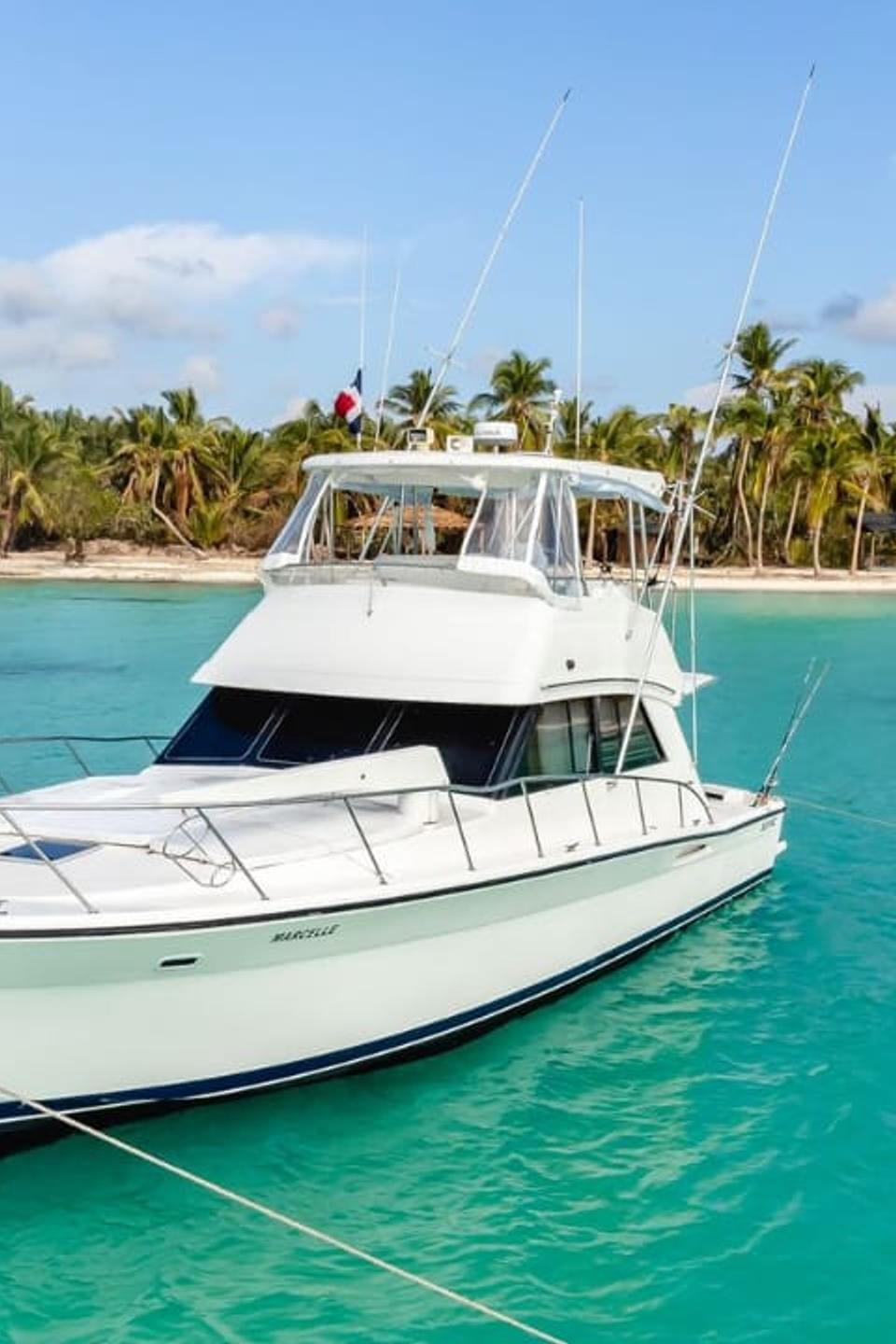
These three excursions are non-negotiable for first-timers: Saona Island (the iconic day), a buggy tour (the surprise hit), and a private or small-group sunset catamaran (the romance). Add Scape Park / Hoyo Azul or Isla Catalina for a longer trip.
Book before you arrive — the best operators sell out 3 to 7 days ahead in high season and you'll always get a better price than at the hotel desk.
Tap water: don't drink it. Resorts and restaurants use filtered water for cooking and ice, so eating out is fine — just drink bottled water.
Sunburn is the #1 way trips get ruined. The Caribbean sun is much stronger than it feels. SPF 50, reapply every 2 hours, and skip the noon-2 p.m. beach session on day one.
Mosquitoes: minor in resort zones, more present at dawn and dusk. Bring repellent with DEET or picaridin.
Travel insurance: get it. The DR has private clinics that are excellent but not cheap if you have an accident.
Reef-safe sunscreen, a long-sleeve UV shirt (the sun is intense), reef shoes for rocky entries, a dry bag for boat days, US dollars in small bills, a basic first-aid kit (band-aids, ibuprofen, anti-diarrhea — just in case), and a power adapter only if you're not from North America (the DR uses US plugs and 110V).
Day 1: arrive, relax, beach, sunset on hotel beach. Day 2: beach day, easy. Day 3: Saona Island full day. Day 4: spa day or beach. Day 5: buggy half-day in the morning, beach in the afternoon. Day 6: sunset catamaran. Day 7: beach, late check-out, departure.
This is the version we book again and again. It balances big excursions with proper beach days, which is what people actually want.
cana.tours
Curated tours, no crowds, real local guides. Reach us on WhatsApp for an instant quote.