Dominican Republic Invests US$9 Million to Fight Sargassum (2026)
Last updated:
Tourism Minister David Collado has announced a US$9 million commitment toward a long-term offshore sargassum solution — a strong signal that the Dominican Republic is protecting the future of its Caribbean coastline.
US$9 million to protect the Dominican coastline
The Dominican Republic is taking another major step to protect its world-famous coastline. Tourism Minister David Collado has announced that US$9 million has been set aside to support a long-term solution for combating sargassum, reinforcing the country's commitment to maintaining some of the Caribbean's most beautiful beaches.
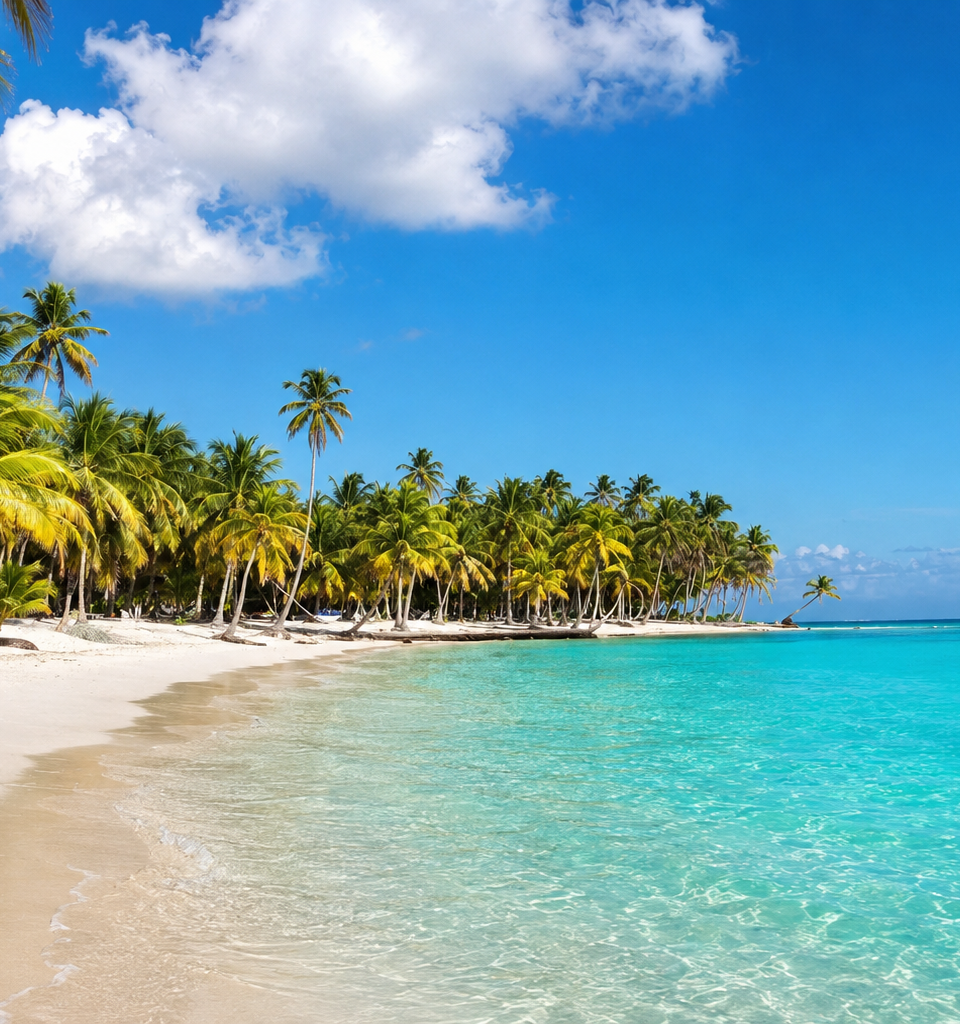
For visitors planning a vacation in Punta Cana, this is encouraging news — and another sign that the Dominican Republic continues investing heavily in the future of its tourism industry, which welcomed a record number of international visitors in 2025.
A long-term solution, not just beach cleaning
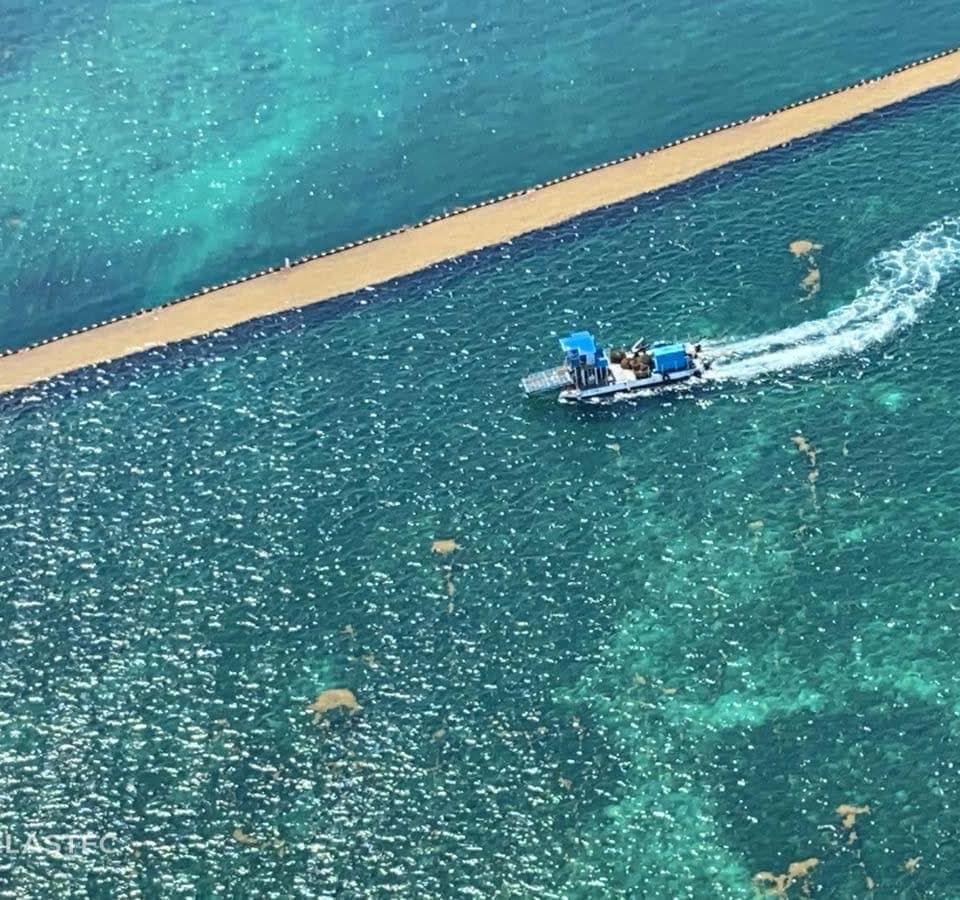
Rather than focusing only on removing seaweed after it reaches the beach, the government's strategy aims to stop sargassum before it arrives on the coastline.
According to Minister Collado, the funds are being held by the Dominican Republic's Hotel and Tourism Association (Asonahores) and will only be released once experts identify an effective offshore collection system capable of intercepting the seaweed at sea.
This approach could significantly reduce the amount of sargassum reaching popular destinations such as Punta Cana, Bávaro, Uvero Alto, Cap Cana, Bayahibe and other coastal areas — the same shorelines that anchor most of the country's beach tourism.
International cooperation and pilot technologies
The Dominican Republic is also calling for greater international cooperation. Minister Collado urged UN Tourism to accelerate research into sustainable sargassum solutions. At the same time, the Inter-American Development Bank (IDB) is developing a pilot project to test new mitigation technologies.
The Dominican Republic and Cancún, Mexico were selected for the initiative because both destinations experience seasonal sargassum arrivals that can impact coastal ecosystems and tourism. Data and results from these pilots are expected to shape Caribbean-wide policy over the next several years.
What is sargassum, really?
Sargassum is a naturally occurring brown seaweed that drifts across the Atlantic Ocean. In recent years, unusually large blooms — driven by warmer waters and nutrient runoff — have resulted in greater seasonal arrivals throughout parts of the Caribbean.
The amount varies considerably depending on ocean currents, wind conditions and the time of year. Some beaches may receive noticeable accumulations, while others just a few kilometers away can remain almost completely clear. In Punta Cana, most sargassum arrivals happen between April and August; November through March are typically the clearest months.
Should you still visit Punta Cana? Absolutely
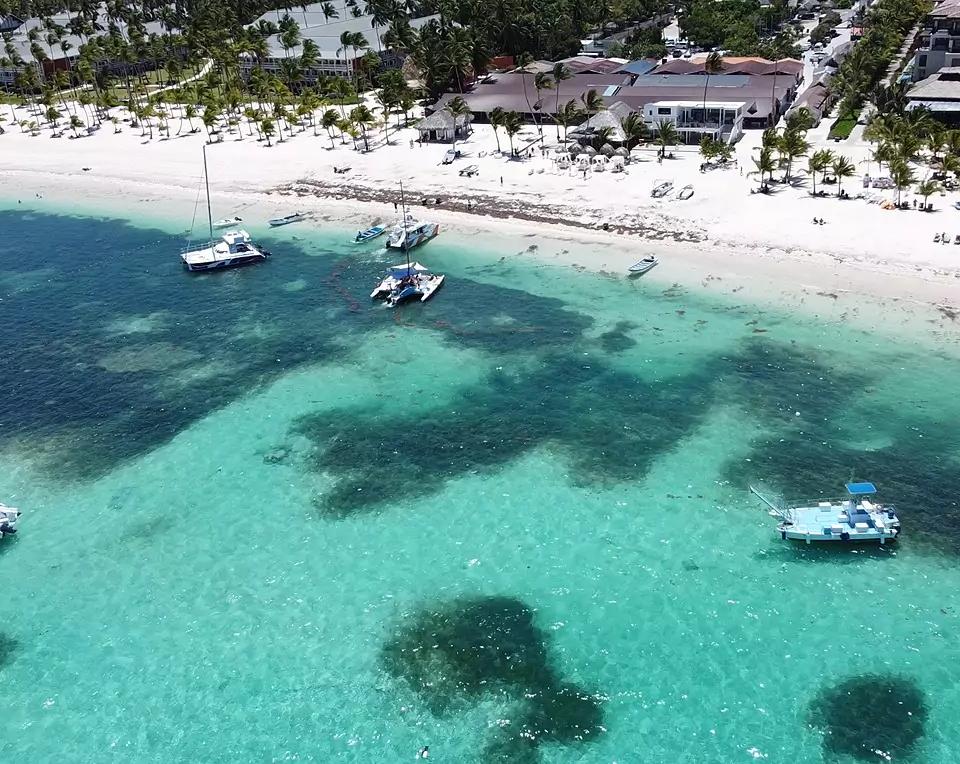
Millions of visitors continue enjoying Punta Cana every year, and most vacations are only minimally affected by sargassum. Hotels rake beaches daily — usually finished before 8 a.m. — and beach operators keep the shoreline clean throughout the day.
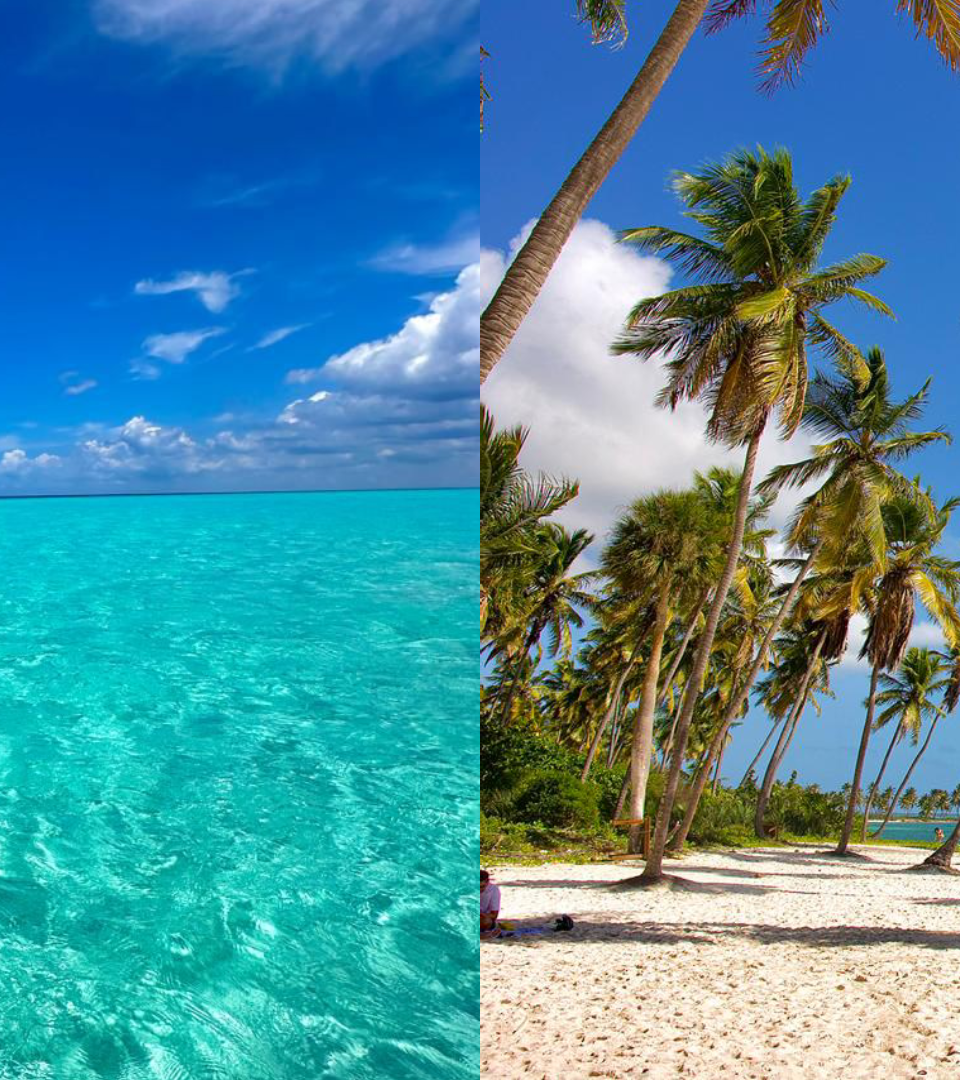
Even more importantly, many Punta Cana excursions take guests away from affected shorelines to pristine offshore locations where sargassum is almost never a factor. That's why booking one or two water-based day trips is one of the smartest ways to guarantee crystal-clear Caribbean days.
At cana.tours we carefully select experiences that maximize your time in the Dominican Republic's most spectacular natural surroundings — including the offshore areas that stay clean year-round:
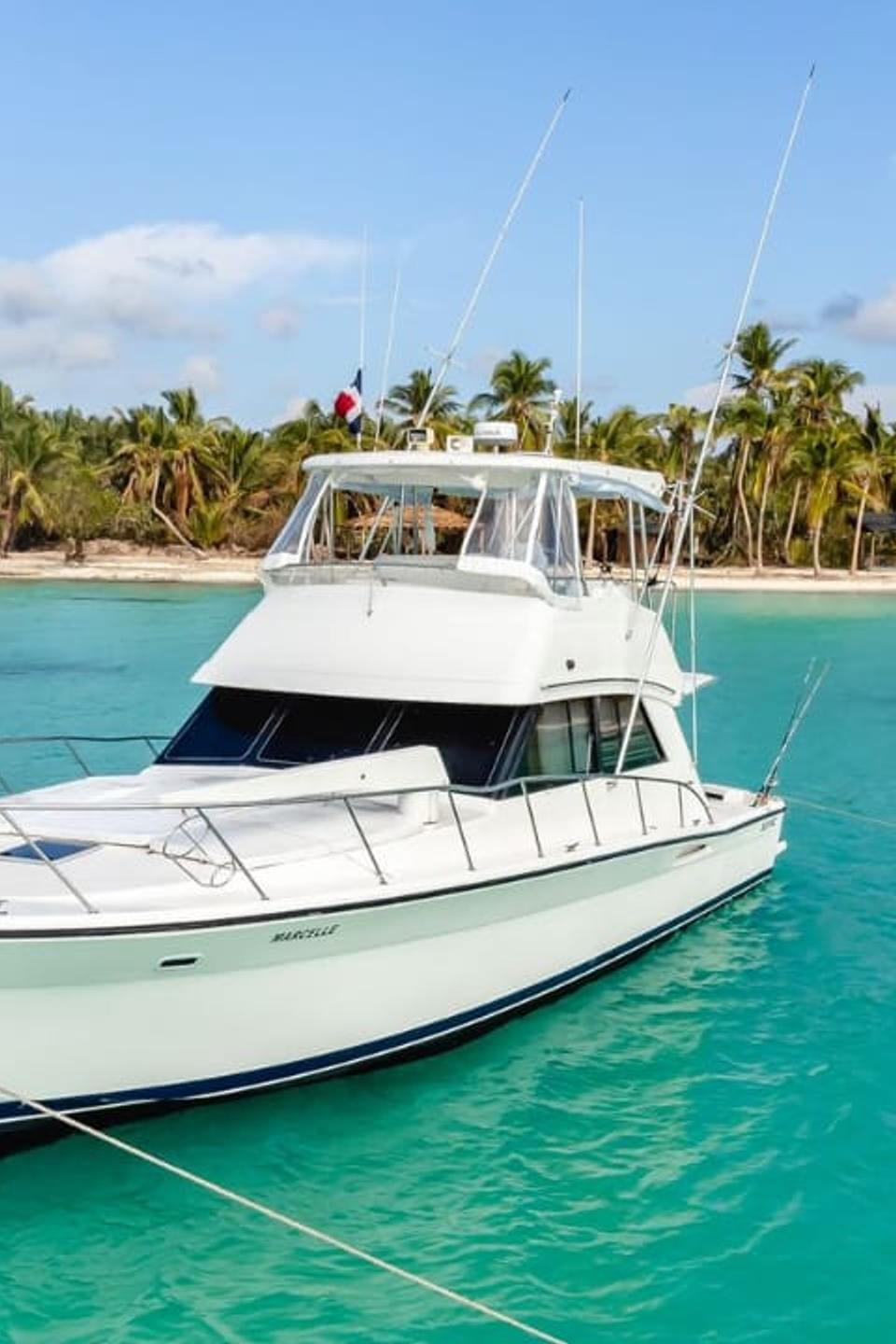
• Saona Island Tour — protected national-park island south of Bayahibe with four turquoise beaches and the Palmilla natural pool. • Catalina Island Tour — a smaller, quieter alternative to Saona with excellent snorkeling on "The Wall" reef. • Private Catamaran Charters — anchor wherever the water is clearest that day. • Party Boat Cruises — snorkel stop at the Bávaro reef and a natural pool session offshore. • Samaná & Cayo Levantado — the north coast is on a different current system and virtually never affected by Atlantic sargassum. • Private Yacht Charter — full flexibility to skip any beach that isn't at its best.
The planned US$9 million investment demonstrates that the Dominican Republic is taking sargassum seriously and is investing in innovative, science-based solutions instead of relying solely on short-term beach cleanup.
Combined with ongoing international research, IDB-backed pilots and new offshore technologies, these efforts could help preserve the country's spectacular coastline for years to come — protecting both the ecosystem and the tourism industry that so many Dominican families depend on.
Discover the best of Punta Cana
Whether you're looking for paradise islands, adventure tours, snorkeling, sailing or private experiences, cana.tours offers one of the largest selections of high-quality excursions in Punta Cana. If you're still deciding when to lock in your dates, our guide on whether to book Punta Cana excursions before you arrive walks you through the timing.
Browse our tours or message us on WhatsApp — we'll help you build a week that avoids the busiest beaches on the wrong days and puts you on turquoise water when it matters most. And don't forget to pre-book your airport transfer so your trip starts smoothly the moment you land at PUJ.
US$9 million, announced by Tourism Minister David Collado. The funds are held by the Hotel & Tourism Association (Asonahores) and will be released once experts validate an effective offshore collection system.