Golf in Punta Cana (2026): Every Course, Honest Prices & Local Tips
Last updated:
Punta Cana is quietly one of the best golf destinations in the Caribbean — two courses regularly ranked among the world's best, ocean holes everywhere, and playable weather all year. Here is what each course is really like, what it costs, and what nobody tells you before you book.
Is Punta Cana actually a golf destination?
Yes — and a bigger one than most visitors realise. The east coast of the Dominican Republic holds the highest concentration of top-ranked golf courses in the Caribbean. Two of them, Punta Espada and Corales, appear again and again on international top-100 lists, and the PGA Tour has played events here for years.
The reason is simple: flat coastal land, constant trade wind, warm dry winters and ocean frontage that lets designers build holes where the Caribbean is the hazard. Add direct flights from North America and Europe and you get a destination where a serious golfer and a beach family can share one holiday without compromise.
We are Cana Tours, a local operator in Bávaro. We drive golfers to these courses every week. This is the honest version of what to expect — including the parts the resort brochure skips.
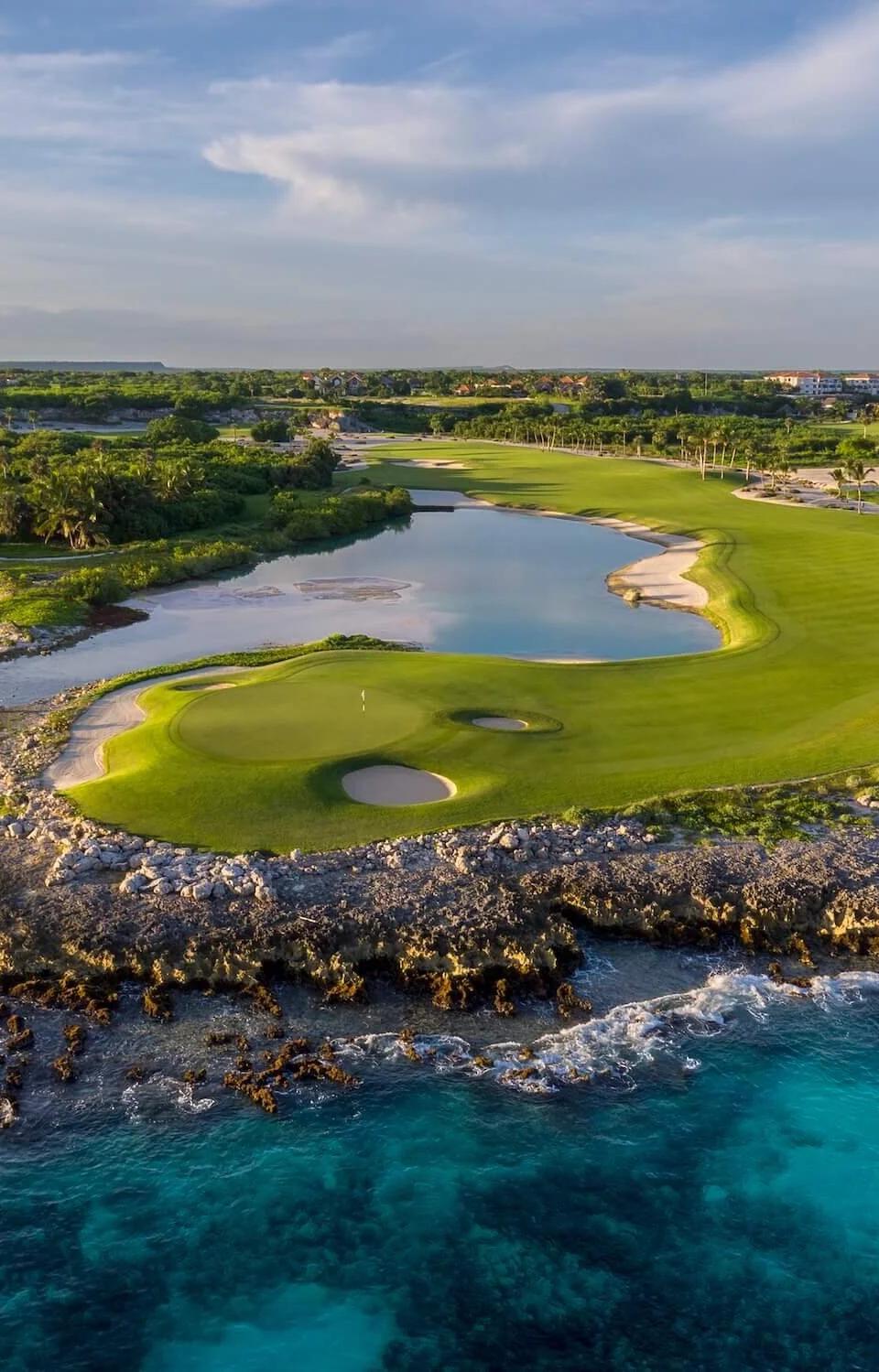
Punta Espada (Cap Cana). Jack Nicklaus design, eight holes directly on the ocean, and the course most people mean when they say "golf in Punta Cana". It is manicured like a botanical garden, the wind off the sea decides your score, and the 13th hole — a par 3 over the water — is the photo everyone takes home. It is the most expensive round in the area and it is worth it at least once.
Corales (Puntacana Resort & Club). Tom Fazio's clifftop course, home of a PGA Tour event, finishing on the famous "Devil's Elbow" — the last three holes run along coral cliffs with the sea crashing below. Harder than Punta Espada when the wind is up, and the 18th is one of the strongest finishing holes in the Caribbean.
Which one first? If you play one round: Punta Espada for the scenery and variety. If you are a low-handicap player chasing a test: Corales. If you are staying in Cap Cana, our Cap Cana luxury guide covers what the area offers beyond the fairways.
The strong second row
La Cana (Puntacana Resort). 27 holes by P.B. Dye, friendly and walkable, several ocean holes, and usually the best value of the premium courses. A great warm-up round after the flight.
Cocotal (Bávaro). The "local's round" — a resort course woven through palms and lakes, forgiving, central, and the easiest to reach from most Bávaro hotels. Not spectacular, but honest golf at a lower price.
Iberostar Bávaro. Another P.B. Dye layout, parkland style, good condition, resort guest priority. Solid mid-range option.
Hard Rock Golf Club at Cana Bay. Nicklaus design north of Bávaro, long and modern, often the best availability when the famous two are full.
Punta Blanca. Nick Price design near Macao — the quietest of the list, inland with lakes and savanna feel. A nice change of scenery on a golf-heavy week.
What a round actually costs in 2026
Green fees depend on the course, the season and whether you are a guest of the owning resort. As an honest orientation: resort courses like Cocotal or Iberostar sit at the lower end of the range, the premium public-accessible rounds cost more, and Punta Espada and Corales sit at the top — think roughly US$ 100 to 400+ per person per round, cart and range balls usually included at the premium courses. Resort guests at Puntacana Resort or Cap Cana properties typically pay reduced rates.
Extras to budget: club rental (book it with the tee time), caddie where offered (worth it at Corales — the yardage book alone saves strokes), and tips. Our money guide for Punta Cana covers what to tip in dollars.
One honest warning: walk-up rates at the desk are almost always worse than pre-booked rates. Reserve tee times before you travel — in high season the famous courses sell out days ahead.
When to come: weather, season and tee-time strategy
December to April is the prime window: dry season, 26–29 °C, steady trade wind, and the courses in their best condition. It is also when everyone else comes — book early and expect peak pricing.
May to August is hotter and quieter. Tee off early (first groups out around 7 AM), finish by lunch, and you avoid both the heat and the short afternoon showers. Prices drop noticeably.
September to November is the low-season gamble: cheapest rates, emptiest courses, and the tail of hurricane season. Most weeks are completely fine, but travel insurance is sensible. Our best time to visit guide breaks down the months honestly.
Whatever the month: play the ocean holes early when the wind is calmest, and take the afternoon round on the inland course, not the other way round.
Logistics: getting to the course from your hotel
None of the courses is far, but none is walkable either. From Bávaro: Cocotal and Iberostar are 5–15 minutes, Punta Espada in Cap Cana about 20–25, Corales and La Cana around 20–30, Punta Blanca near Macao roughly 35–40.
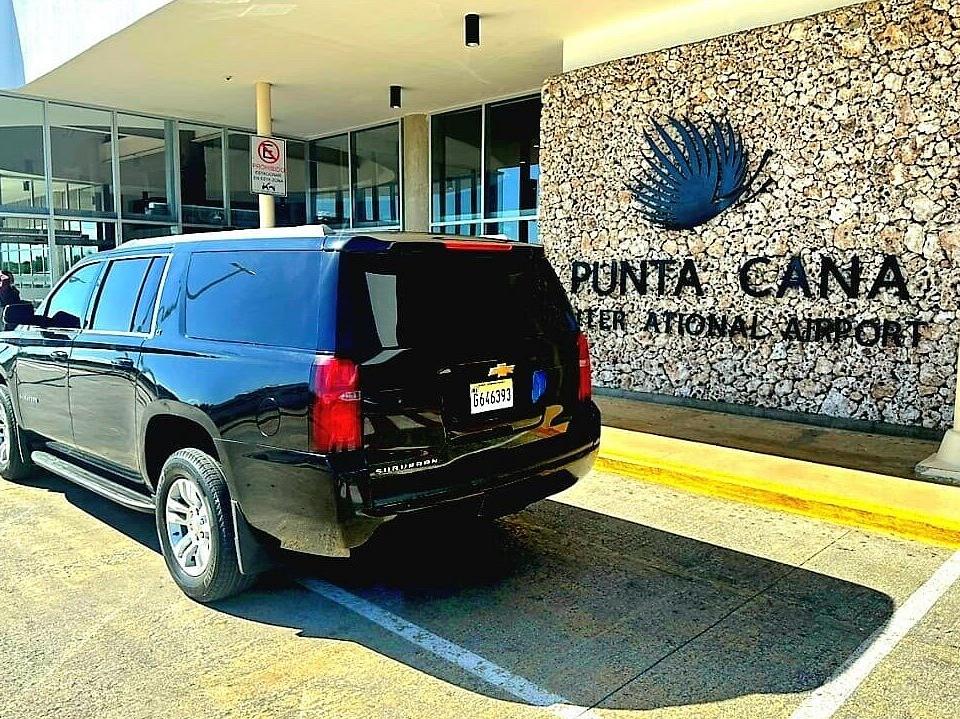
The clean solution is a pre-booked private transfer both ways — the driver drops you at the clubhouse and picks you up at the 19th hole when you are done. No negotiating with taxis after five hours in the sun, and your clubs travel safely. Details on taxis, Uber and rental cars are in our getting around Punta Cana guide.
For golf groups and corporate trips we arrange the full schedule: tee times, daily transfers, club rental coordination and a driver on call for the whole week — part of our VIP services.
Sun. Four to five hours of Caribbean sun is different from home. High-SPF sunscreen before the round and re-apply at the turn, a hat, and more water than feels necessary — the carts carry coolers.
Wind. The trade wind is the course defence. On ocean holes, club up and aim at the fat side of the green. The local caddies read it better than any app.
Dress code. Collared shirts and proper shorts or trousers at the premium courses; no beachwear. Golf shoes or clean trainers — soft spikes only.
Handicap proof. Some premium courses ask for a handicap certificate at busy times. Bring yours or have it on your phone.
Rain. Showers are usually short. Courses drain fast and carts go back out quickly — don't cancel over a morning cloud.
Golf plus the rest of the holiday
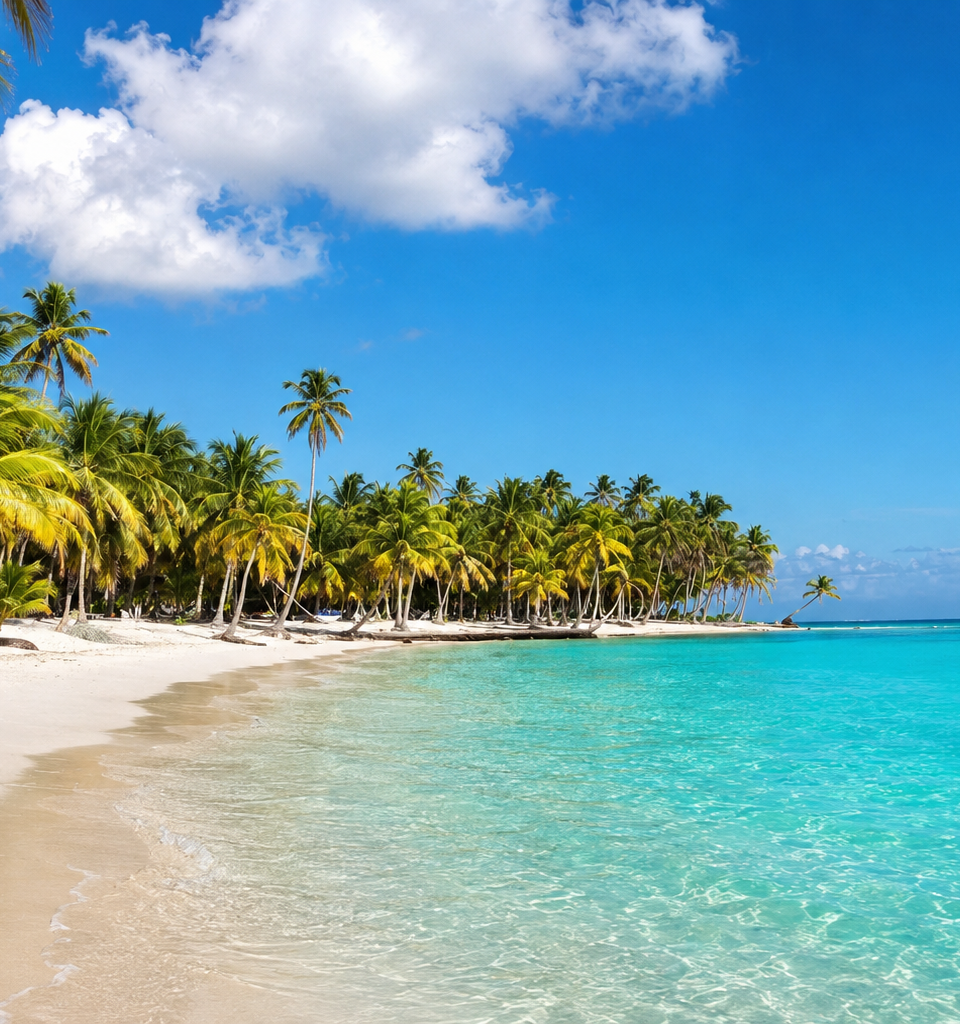
The classic pattern our golf clients use: two or three golf days spread across the week, never back to back, with a sea day in between — Saona island, a catamaran, or a private boat — so the non-golfers get their holiday too. Our 7-day Punta Cana itinerary shows how to sequence it.
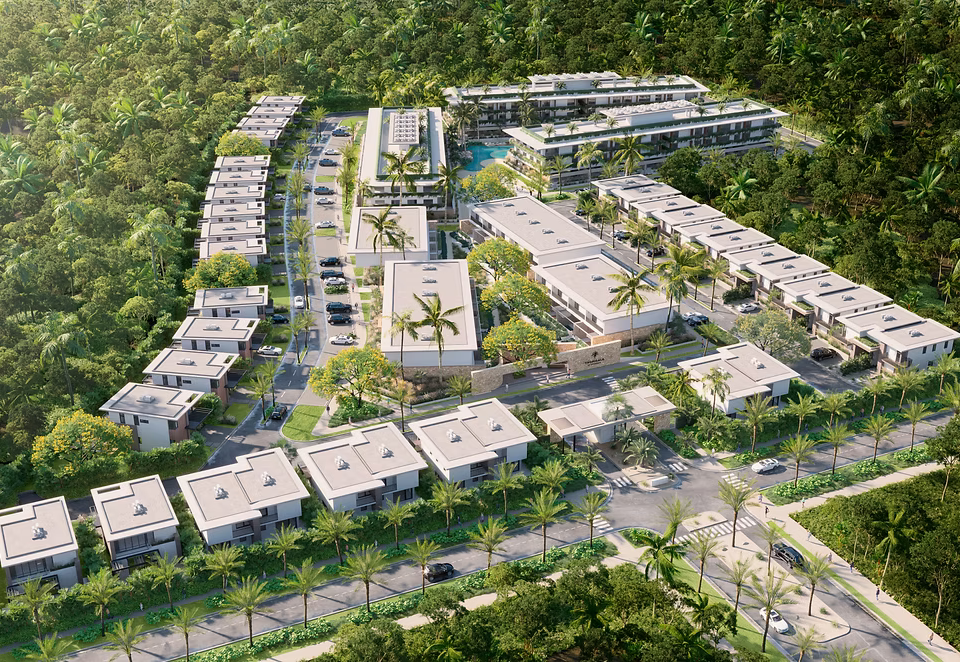
And if you catch yourself browsing property listings from the clubhouse terrace — you would not be the first. The golf communities here are the engine of the local property market; our Punta Cana real estate guide explains how that side works.
Choosing where to stay for a golf trip? Punta Cana vs Cap Cana compares the two areas honestly.
Around a dozen within a 40-minute radius, including Punta Espada, Corales, La Cana, Cocotal, Iberostar Bávaro, Hard Rock Golf Club at Cana Bay and Punta Blanca.