Buying Property in Cap Cana (2026): Complete Guide
Last updated:
Cap Cana is the one gated community in Punta Cana where people actually buy rather than just visit. Here is the honest local view: what exists, what it realistically costs, how the purchase works for foreigners, and what the brochures leave out.
Quick answer: who should buy in Cap Cana?
Cap Cana suits the buyer who wants a gated, self-contained, high-end environment and is comfortable paying a premium for it. You get a private marina, Punta Espada golf, Juanillo beach, controlled access and a build quality that is noticeably above the Bávaro average. In return you accept higher prices per square metre and higher monthly fees than anywhere else in the Punta Cana area.
If your goal is maximum rental yield per dollar invested, Bávaro and Los Corales usually win on numbers. If your goal is a property you actually want to spend time in — one that holds value because the community controls what gets built next to it — Cap Cana is the strongest address in the region. Our wider Punta Cana real estate guide compares the zones; this guide stays inside the gates.
What Cap Cana actually is
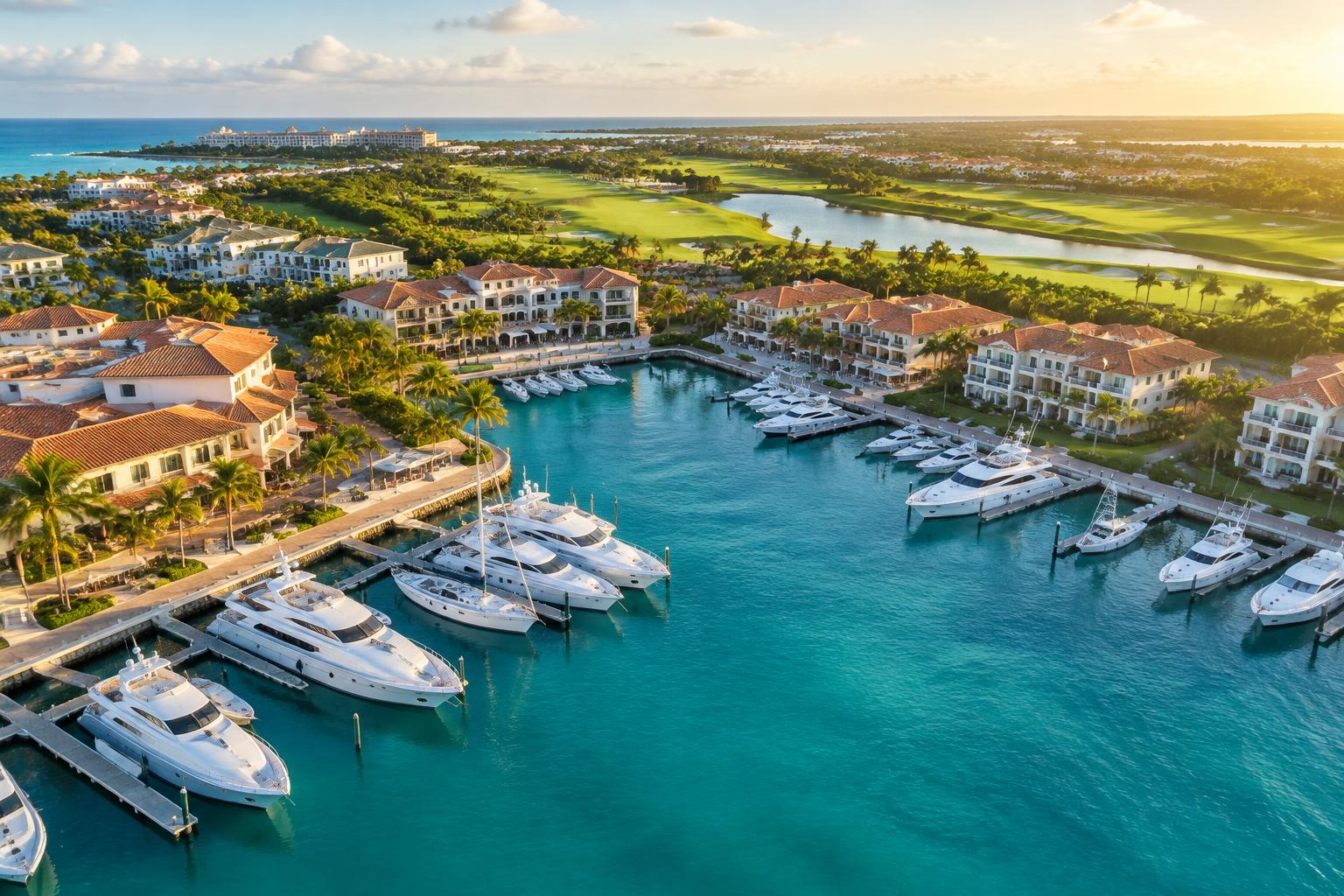
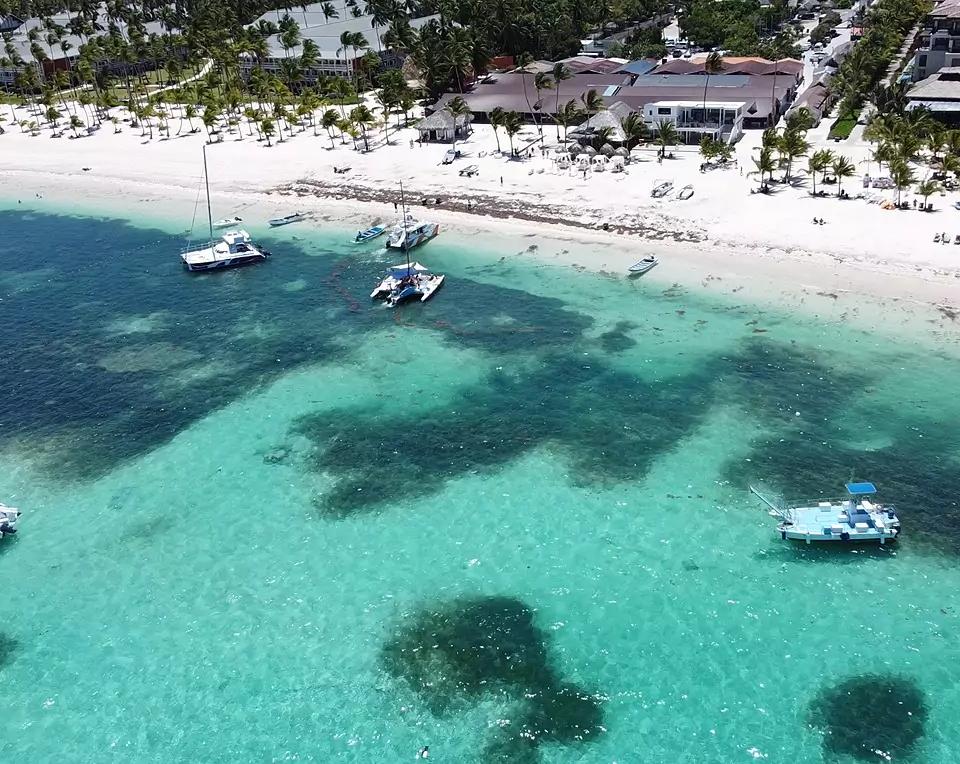
Cap Cana is a private, master-planned community on roughly 30,000 acres at the eastern tip of the Dominican Republic, about 15 minutes from Punta Cana airport. It is not a resort: it is a gated town with its own security, road network, marina, golf course, beach clubs, international school, supermarket and a growing set of restaurants. Hotels like Secrets, Sanctuary, TRS, Margaritaville and Hyatt Zilara sit inside it, alongside private residential villages.
The practical consequence for a buyer: your neighbours are governed by community rules, construction standards are enforced, and the entrance is controlled. That is the product you are paying for. If you have never spent time inside, read our Cap Cana luxury guide and the honest is Cap Cana worth it piece before you look at a single listing.
What you can actually buy inside the gates
Marina condos (Fishing Lodge, Marina Cap Cana). One to three bedrooms around the marina basin, walking distance to restaurants. The most liquid segment and the easiest to rent. Golf-side apartments and villas (Las Iguanas, Punta Espada area). Fairway views, quiet, popular with buyers who golf. Beachfront and near-beach (Juanillo, Scape Park side). The scarcest inventory and the highest prices per square metre. Branded residences. Projects tied to hotel or lifestyle brands, sold with rental programmes and hotel services.
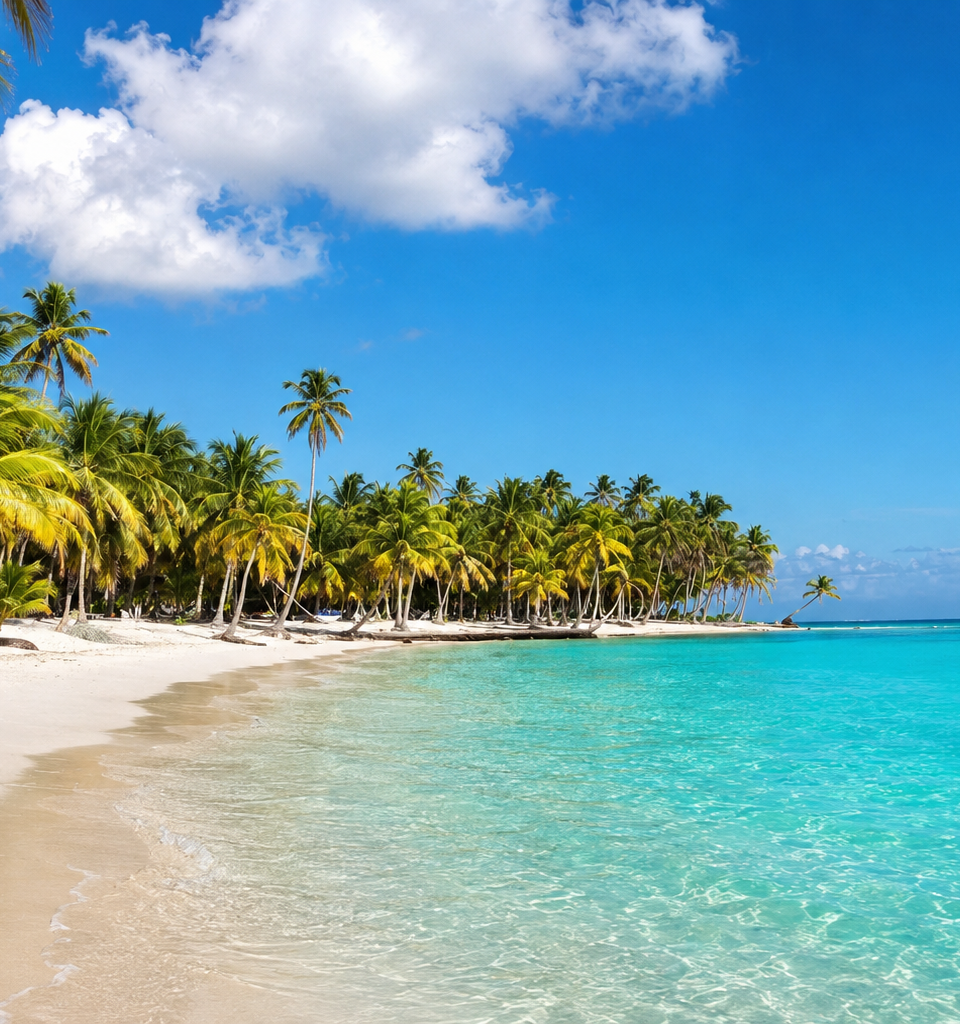
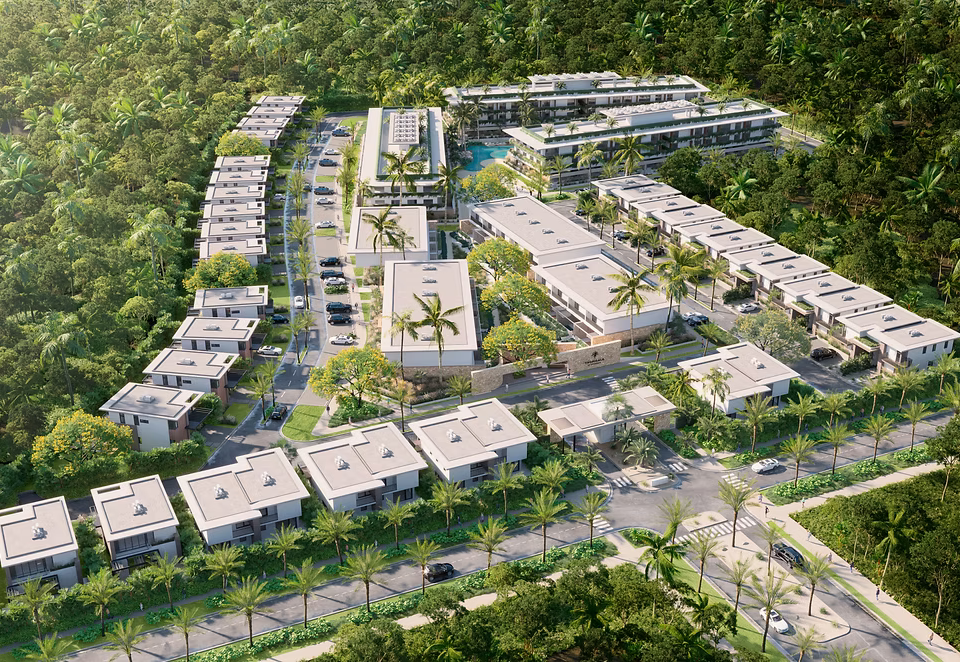
Pre-construction. The most common way to enter at a lower number, usually 20–30% down with payments across the build. Cheaper, but you are buying a drawing — which is where the due diligence in the next sections matters most. For a feel for the beach itself, our Juanillo Beach guide is the honest version, and golfers should read the Punta Cana golf guide on Punta Espada before paying for a fairway view they will not use.
Realistic price ranges in 2026
These are indicative orientation ranges, not offers — Cap Cana pricing moves with the project, the floor, the view and the developer's stage of sales, and anything specific needs checking on the day. Studios and one-bedroom condos in established buildings typically start somewhere around US$250,000–350,000. Two to three bedroom marina or golf-side apartments commonly sit in the US$400,000–800,000 band. Golf-front and larger villas start in the low seven figures and climb quickly. Juanillo-area beachfront is the top of the market and priced accordingly.
The number that surprises buyers is not the purchase price — it is the running cost. A condo carries HOA fees that commonly land in the several-hundred-dollars-a-month range, and a villa with a pool, garden and staff can run into four figures monthly before you have spent a night in it. Ask for twelve months of actual HOA statements, not the projection in the brochure.
The buying process, step by step
1. Choose the property and agree terms. 2. Sign a promise of sale (promesa de venta) with a deposit, ideally held by your lawyer. 3. Due diligence: your lawyer verifies the title at the Registro de Títulos, checks the deslinde (surveyed, individualised title), liens, HOA arrears, and for pre-construction the developer's permits and track record. 4. Sign the final deed before a notary. 5. Pay transfer tax and file for registration in your name.
Non-negotiables: use your own independent lawyer, not the developer's or the agent's; never pay a deposit into a personal account; insist on a property with a completed deslinde. Foreigners have the same ownership rights as Dominicans and can hold title personally or through a company. The general national picture — taxes, residency, financing — is covered in our buying property as a foreigner guide.
Closing costs, taxes and CONFOTUR
Plan for roughly 4–5% of the purchase price in one-off costs: 3% property transfer tax, plus legal fees of around 1–1.5% and minor registration and notary charges. Annually, the IPI property tax applies at 1% on value above an exempt threshold that is adjusted each year, and rental income is taxable in the Dominican Republic.
The big exception is CONFOTUR. Tourism projects approved under that law are exempt from the 3% transfer tax and from IPI for up to 15 years — a genuine saving of tens of thousands of dollars on a Cap Cana purchase. Many, but not all, new Cap Cana developments hold it. Ask for the resolution number in writing and have your lawyer confirm it covers your specific unit, not just the project's first phase.
Rental income: the honest numbers
Cap Cana rents well because it is a recognised address with real amenities, and marina condos are the easiest to fill. But gross yield here is usually lower than in Bávaro, because you paid more for the same rentable bedroom. Expect a management company to take 20–30% of gross, and subtract HOA, utilities, insurance, deep cleaning and replacement furniture before you call a number a return.
Occupancy also follows the season: December to April fills, September and October are thin. If the plan is to use the place yourself in high season, price that against your own projection honestly — self-use in the best weeks is the most expensive part of most owner models. We built CanaKeys.com, our sister company, precisely because most listings arrive without any of this arithmetic attached.
Cap Cana vs. Bávaro, Punta Cana Village and Uvero Alto
Cap Cana: highest price per square metre, strongest brand, tightest community control, best build quality, lower gross yield. Bávaro / Los Corales: lower entry prices, walkable to bars and restaurants, best short-term rental demand, more mixed construction quality. Punta Cana Village: quiet, leafy, expat and family-heavy, close to the airport, excellent for living rather than renting. Uvero Alto: cheapest land and the biggest beach, but 45–60 minutes from services, which caps rental demand.
A useful test: spend a week living in the zone before buying in it, not in a hotel in another one. Our where-to-stay guide is written for exactly that reconnaissance trip.
Mistakes we watch foreign buyers make
Buying from a beach chair three days into a holiday. Using the seller's lawyer. Paying a deposit before the title has been checked. Assuming CONFOTUR applies because a salesperson said so. Ignoring HOA fees in the yield calculation. Believing a developer's rental projection without asking for the actual occupancy of the building next door. Buying a fairway view in a household where nobody plays golf.
And the most expensive one: buying a unit that has no deslinde yet on the promise that it is coming. Sometimes it does come. Sometimes it takes years and blocks your resale in the meantime.
How to look at Cap Cana properly before you buy
Come for a few days and treat it as fieldwork, not sightseeing. Drive the community at 8 a.m. and again at 8 p.m. Walk the marina on a Tuesday, not only on a Saturday. Sit at Juanillo and count how many people are actually there. See a finished unit in the building you are considering, not only the show apartment. Ask an owner in the lobby what their fees did over the last three years.
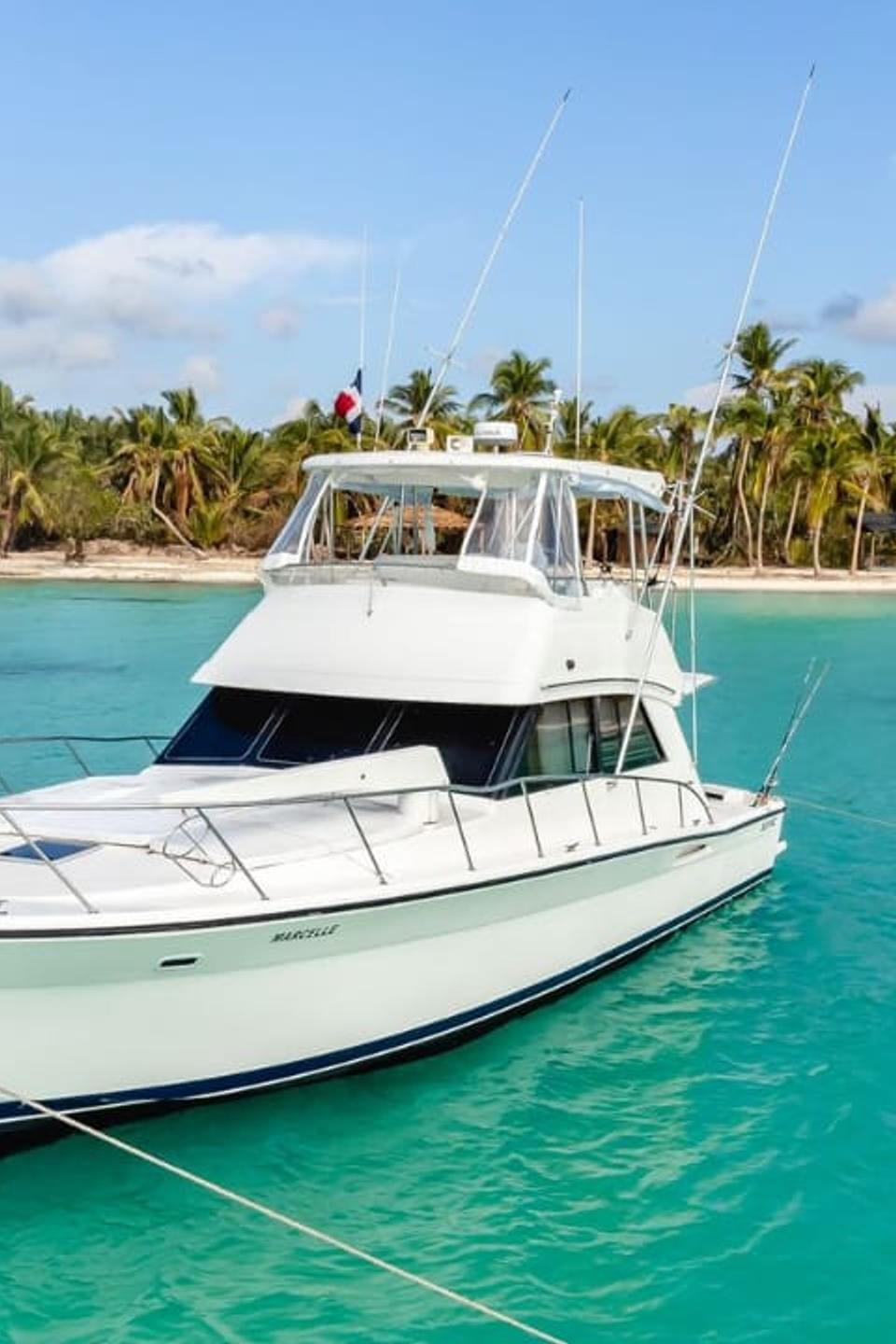
We are a local operator, not a brokerage — we drive guests through these gates every week and we also run private yacht charters out of the Cap Cana marina. If you want an unfiltered view of the community before an agent gets involved, ask us. Ready to browse actual vetted inventory? That lives on CanaKeys.com.
Want the unfiltered local view of Cap Cana?
Tell us what you are considering — a marina condo, a golf-front villa, pre-construction — and we will tell you what we see on the ground, including the parts no brochure mentions. No commission, no pressure.
Yes. Foreigners have the same ownership rights as Dominican citizens — no residency, local partner or special permit is required, and title can be held personally or through a company.