Is Punta Cana Safe in 2026? Honest Local Guide for Tourists
Last updated:
Millions of tourists visit Punta Cana every year and go home talking about the beach, not the crime. Here's the honest 2026 safety picture from the local team that actually lives in Bávaro.
Is Punta Cana safe in 2026? The short honest answer
Yes. Punta Cana is safe for tourists in 2026 — and we say that as the local Dominican-owned team that lives, works and raises kids in Bávaro. Roughly 7 million international travelers arrived through Punta Cana International Airport (PUJ) last year, and the overwhelming majority went home talking about the beach, the mojitos and the buggy tour — not about anything scary.
The U.S. State Department currently lists the Dominican Republic at Level 2 — Exercise Increased Caution, the same level as France, Spain, Italy, Germany and the United Kingdom. That "Level 2" language sounds worse than it is: it's the standard rating for almost every popular travel destination on earth.
The realistic risks in Punta Cana are the same ones you'd manage in any popular resort destination: petty theft on the beach, opportunistic scams around the tour desks, unlicensed taxis, sunburn and dehydration, and the rare tummy bug from drinking the wrong water. This guide walks through every one of them honestly — no sensationalism, no PR spin.
Violent crime against tourists: Very low. It makes international news precisely because it's rare.
Petty theft: Low to moderate. Unattended phones and bags on the beach do disappear.
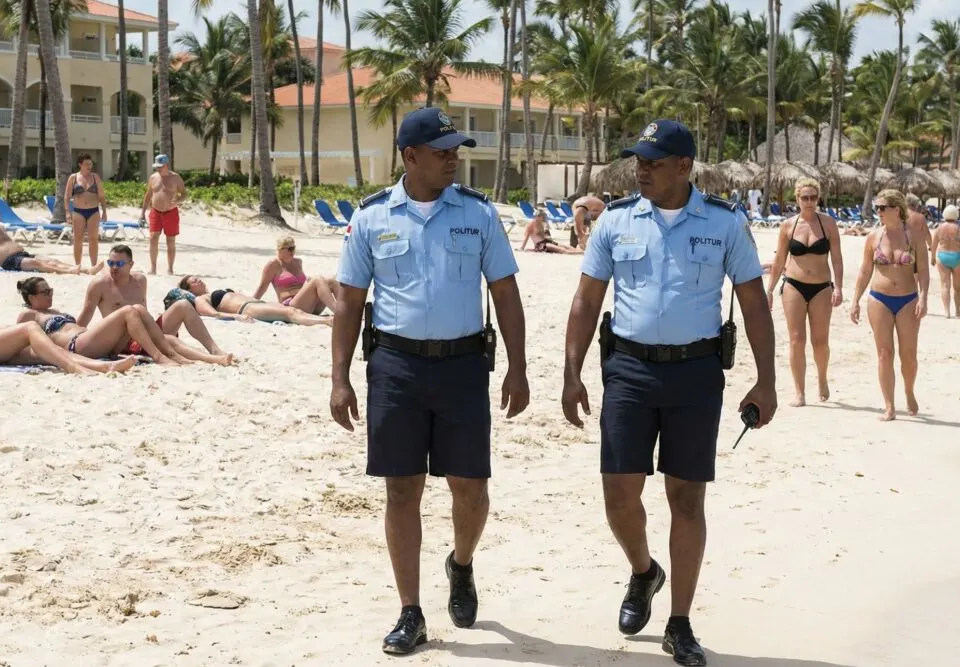
Tourist zones (Bávaro, Cap Cana, Uvero Alto, Cabeza de Toro): Very safe. Private resort security, tourist police (CESTUR) patrols, gated entrances.
Hotel security: Excellent. 24/7 guards, wristbands, sealed perimeters at every reputable all-inclusive.
Excursions: Very safe when booked with a licensed local operator. Every Cana Tours excursion is fully insured and run by vetted partners.
Transportation: Safe when using pre-booked private transfers, hotel taxis or CESTUR-registered drivers. Unlicensed street taxis are the main thing to avoid.
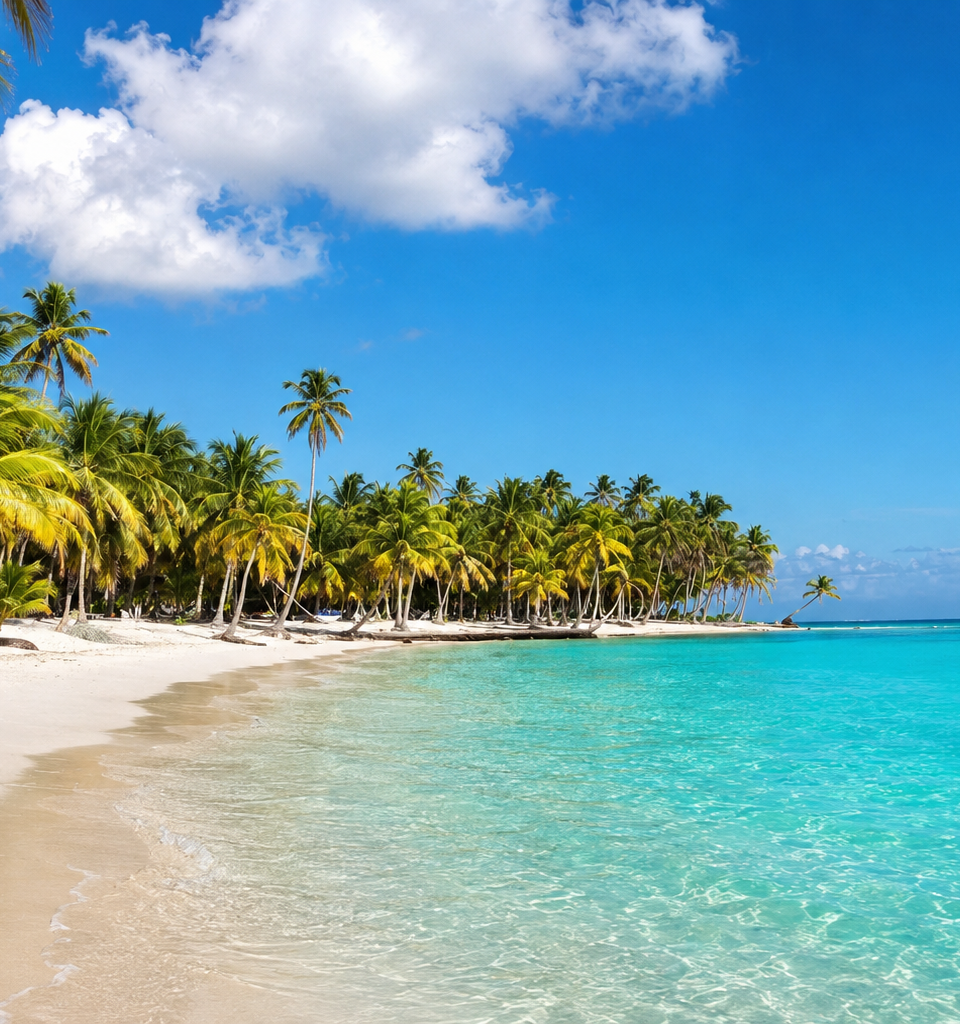
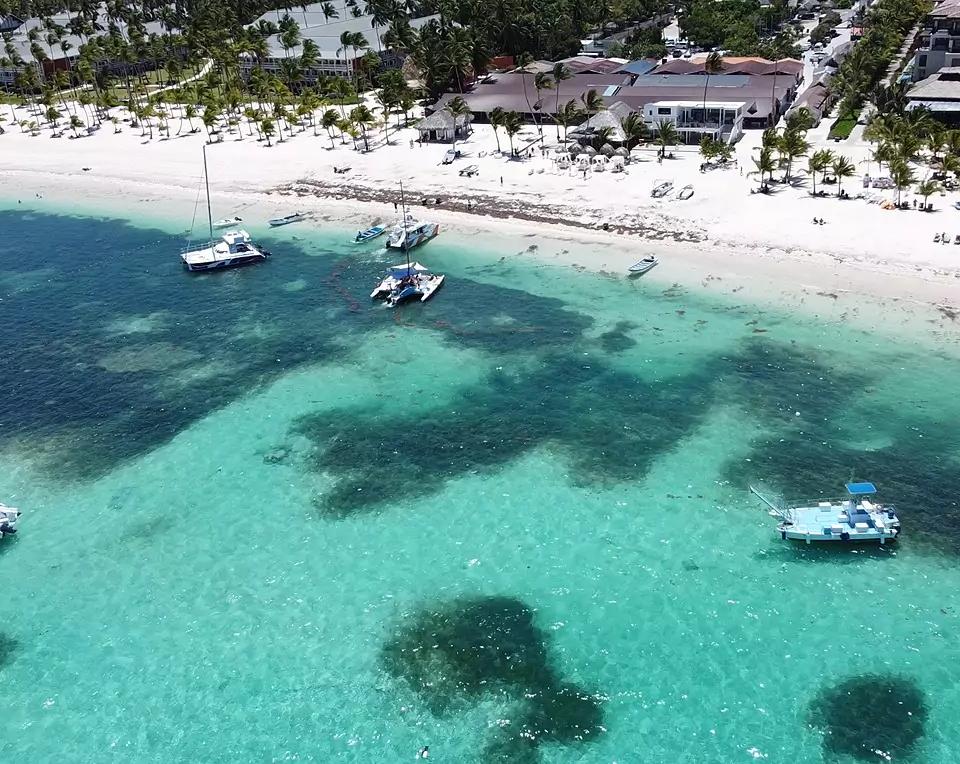
Beaches: Safe. Blue Flag beaches in Bávaro and Cap Cana, lifeguards at most resort stretches, clear flag system.
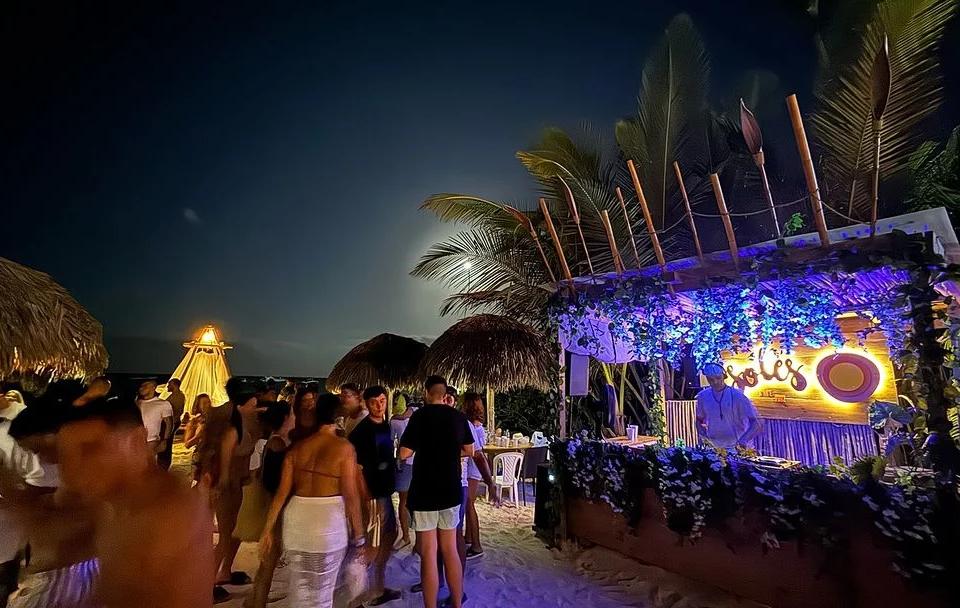
Nightlife: Safe inside resorts and at established venues (Coco Bongo, Imagine Club, Jelly Fish). Standard nightlife rules apply.
Is it safe to leave the resort?
Short answer: yes, and we recommend it. Staying inside your wristband for 7 nights means missing the actual Dominican Republic. Bávaro, Cortecito, Los Corales, the Cap Cana marina, Bibijagua market and the coastal walk to Juanillo Beach are all comfortable to explore on foot in daylight.
Comfortable to walk in daylight: the Cortecito beachfront, El Cortecito village, Los Corales, Downtown Punta Cana, Cap Cana Marina and Juanillo Beach. Small friendly restaurants, ATMs inside supermarkets, coffee shops, souvenir stalls.
Take a licensed taxi instead of walking: anywhere after dark, the road from Bávaro to Higüey, and any route where Google Maps sends you through an unlit shortcut. Higüey (the nearest real city, 45 min inland) is fine to visit on a guided day trip but not on your own at night.
Common sense that actually matters: don't bring your passport, jewelry or more than USD 100 in cash. Use the hotel safe. Keep your phone in your pocket, not in your hand while walking. Walk with a companion after 10 p.m. That's genuinely most of it.
Being straight with you: the two things that occasionally happen to tourists are petty theft on the beach and tour-desk scams. Violent crime against foreigners is extremely rare — the DR is not a cartel country, and the tourist corridor is economically far too important to the national economy for it to be tolerated.
Pickpocketing & beach theft: the classic story. You go for a swim, leave your phone on the towel, come back and it's gone. Fix: use the hotel safe for everything valuable and only bring a waterproof pouch to the beach. Never leave bags unattended.
Fake tour sellers: people in the resort lobby or on the beach approaching you with "special deals" on excursions. Some are fine, many are unlicensed and uninsured. Book through your hotel concierge or a real operator with a website, verified reviews and a real phone number — like Cana Tours.
Beach vendors: friendly, sometimes persistent, almost never dangerous. A polite firm "no gracias" is enough. Bargaining is expected on souvenirs; overpaying is the worst-case outcome.
ATM safety: use ATMs inside supermarkets, banks or hotel lobbies — never a standalone street ATM. Cover the keypad, take the cash and go. Card skimming exists but is uncommon at established banks (Banco Popular, BHD).
Nightlife precautions: never accept a drink you didn't see poured. Stick to established clubs. Use a hotel taxi both ways. Don't wander to unknown "after-parties" with people you just met — the same rule as anywhere in the world.
Is Punta Cana safe for families?
Yes — genuinely one of the most family-friendly Caribbean destinations. All-inclusive resorts here are engineered for kids: kids clubs, splash parks, kids buffets, medical desks and shallow beaches on the Bávaro coast that are calm enough for toddlers.
Beaches are gently sloping and lifeguarded on most resort stretches. Excursions like Saona Island, the horseback ride at Macao and the buggy adventure (with a parent driving) are all family-safe. For families with kids under 6 we recommend our private excursion format — quieter, calmer, no shuttle waiting.
Healthcare: Hospiten Bávaro and Hospiten Cana are private hospitals with English-speaking pediatricians, walkable from most Bávaro resorts. Farmacia Carol has multiple 24/7 branches and stocks everything you'd find at a US or European pharmacy. Bring your usual medications in original packaging.
Solo female travelers: yes, with the same street smarts you'd use in Barcelona, Miami or Lisbon. Catcalling happens (mostly a friendly "hola linda" from a distance); groping does not, especially inside the resort corridor. Dress how you like on the beach; a light cover-up walking through Cortecito or downtown is comfortable. Use hotel taxis at night.
Solo male travelers: the main things to watch are alcohol-driven decisions and unlicensed nightlife invitations. Stick to established clubs, don't leave drinks unattended, use the hotel taxi.
Digital nomads: Punta Cana has a growing remote-work scene — decent fiber in most Airbnbs, several coworking spaces in Bávaro, safe residential neighborhoods (Cocotal, White Sands, Cap Cana). Rent through Airbnb or a licensed local agency, not off Facebook.
Inside the resort: completely. Every reputable all-inclusive has 24/7 security, sealed perimeters and wristband access. Walk the resort grounds at 2 a.m. if you like.
Downtown Cortecito & Los Corales: the main streets are fine until midnight — bars, restaurants, other tourists, security everywhere. After midnight take a taxi even for two blocks.
Established nightlife: Coco Bongo, Imagine Discotheque, Oro Nightclub, Jelly Fish and Wacamole are all safe, licensed venues with door security and their own taxi ranks.
Rules of thumb after dark: take a hotel taxi both ways, don't walk down unlit side streets, don't accept a lift from someone you just met, keep your phone in your pocket. That's genuinely it.
Taxi & transportation safety
Transportation is where most safety mishaps actually start — usually because a traveler climbs into the wrong vehicle at the airport. Fix that one decision and 90% of the risk disappears.
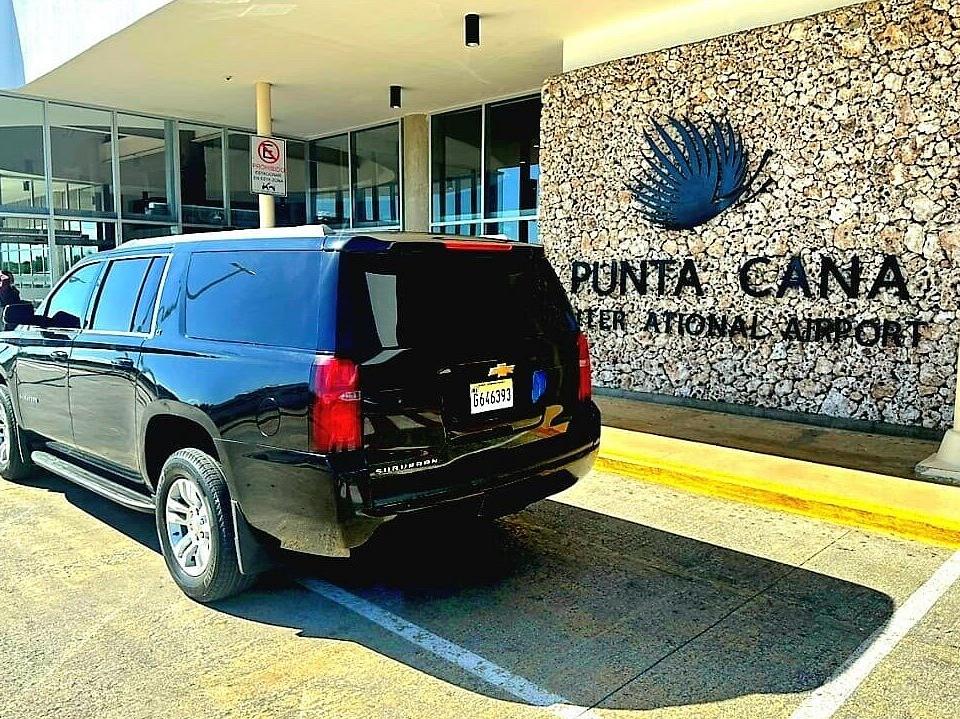
Airport transfers: pre-book. Full stop. See our Punta Cana airport transfer guide for the honest breakdown, or use our luxury airport pickup — a real driver holding a sign, in a marked vehicle, at a fixed price. Never take a random driver approaching you in the arrivals hall.
Official taxis: yellow or white cabs with the Sichotupu logo, or CESTUR tourist police-registered drivers. Fixed rates published on the wall of most resort lobbies. Always agree the price before getting in.
Uber: works in Punta Cana in 2026 but coverage is patchy near the resorts — drivers often can't legally enter resort grounds. Fine downtown, unreliable at 11 p.m. on a Sunday in Cap Cana.
Private transfers: the smart default for airport runs and any multi-hour excursion. See private tours — same driver all day, English-speaking, insured.
Rental cars: completely fine to drive on the coastal highway and the Bávaro–Cap Cana corridor. Roads are decent, GPS works, gas stations are safe. Avoid driving at night on rural roads (livestock and unlit motorbikes). Rent from an established brand (Sixt, Europcar, National), not a hotel-lobby broker.
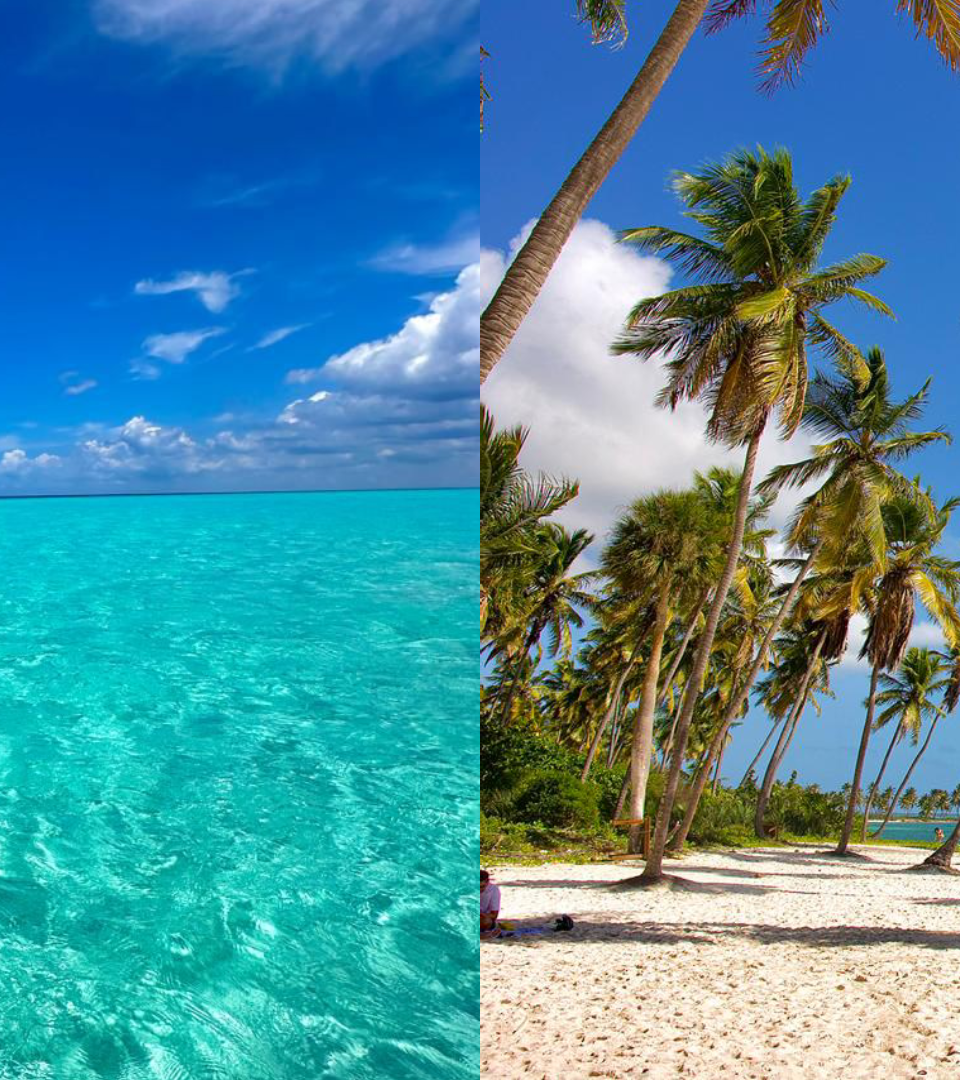
Bávaro and Cap Cana beaches are protected by the eastern reef, which is why the water is so calm. Currents are gentle for most of the year — safer than most Atlantic-coast beaches in the US or Europe.
Flag system: green = swim freely, yellow = caution, red = do not enter. Respect it. The one beach where currents can pick up is Playa Macao on the north side (the wild, undeveloped beach where our horseback ride and buggy tour end up) — swim near the lifeguard tower.
Sun & heat: the actual biggest health risk. UV index hits 11+ (extreme) most of the year. Wear SPF 50, reapply every 90 minutes, hydrate with 3+ liters of water a day, wear a hat and a rash guard for water time.
Jellyfish: uncommon but occasional in late summer. Small stings, rarely dangerous. Resort medics have gel on hand.
Sargassum seaweed: a seasonal cosmetic issue, not a safety one — but see our Punta Cana sargassum guide for month-by-month expectations and the beaches that stay clean.
Valuables: the number-one beach mistake is leaving a phone on the towel and walking into the water. Bring a waterproof pouch, or trade turns with your partner.
Weather & hurricane safety
Hurricane season officially runs June 1 – November 30, with the statistical peak between late August and mid-October. But here's the honest local perspective: Punta Cana sits on the southeastern corner of the island, well south of the main Atlantic hurricane track. Direct hits are historically rare — the last really damaging one was Georges in 1998.
Most of what actually happens in "hurricane season" is a couple of rainy afternoons, and once every few years a tropical storm that closes the beach for 24–48 hours. Resorts are built to modern hurricane code with reinforced concrete construction, backup generators and clearly rehearsed evacuation procedures.
If you travel in August–October: book with a flexible cancellation policy, buy travel insurance that covers weather cancellation, follow the National Hurricane Center on X, and listen to resort staff — they know exactly what to do.
Everything else weather-wise (rain, wind, waves) is short-lived. The rest of the year — December through July — is genuinely one of the most reliably good-weather stretches in the Caribbean.
Drinking water & food safety
Do not drink the tap water. Not even to brush your teeth. This isn't about crime, it's simple infrastructure — Dominican municipal water isn't treated to a standard tourists' stomachs are used to.
Bottled water is everywhere. Every hotel provides sealed bottles daily; every supermarket sells 5-gallon jugs for USD 2–3. Ice at all-inclusive resorts is made from filtered water and is safe. Ice at unknown street stalls — skip.
Resort food: perfectly safe. All-inclusives run to strict HACCP food-safety standards and get inspected constantly. Overeating at the buffet is a bigger risk than food poisoning.
Restaurants outside the resort: anywhere with a full kitchen and a tourist clientele (La Yola at Cap Cana Marina, Citrus, Passion by Martín Berasategui, Jellyfish Beach) is completely safe. Stick to bottled or filtered water and cooked/peeled food.
Street food: chimichurris (Dominican burgers) from busy stalls are usually fine — a hot grill and a busy queue is nature's food-safety inspector. Skip anything that's been sitting warm.
If you do get a tummy bug: Farmacia Carol sells Loperamide and rehydration salts over the counter. 24 hours of bland food and Gatorade fixes 95% of cases.
Healthcare & emergency numbers
Healthcare in Punta Cana is genuinely excellent — the private hospitals here would be considered high-quality in Miami or Madrid.
Hospitals: Hospiten Bávaro and Hospiten Cana are the two main private hospitals — 24/7 emergency rooms, English- and German-speaking staff, direct billing to most international travel insurers. Centro Médico Punta Cana is a solid alternative.
Pharmacies: Farmacia Carol has 24/7 branches in Cortecito, Downtown Punta Cana and Cap Cana. Most common medications available without prescription.
Emergency numbers:911 works nationwide (police, ambulance, fire — same number). *462 connects you directly to CESTUR (tourist police, English-speaking). Your resort front desk is faster than 911 for anything non-life-threatening.
Travel insurance: get it. Even basic coverage (~USD 30–50 for a week) covers medical evacuation, which is the one bill you don't want to pay out of pocket if something serious happens.
Local tips from the Cana Tours team
The things we quietly tell friends before their first trip:
Don't carry unnecessary cash. USD 100 in small bills is plenty for a day out. Use the hotel safe for the rest.
Photograph your passport and ID. Keep the digital copy in your email. Leave the physical passport in the safe.
Wear SPF 50 from day one. The Caribbean sun genuinely does not care that you tan back home.
Book excursions with real local operators, not the guy in the parking lot. Our full catalog of vetted excursions is our own recommendation; if a stranger offers you a Saona day for USD 40, there's a reason it's that cheap.
Stay hydrated. Three liters of water a day, not three liters of piña colada.
Respect the local culture. A friendly "buenos días" goes a long way; tipping USD 1–2 on drinks and USD 5–10 on tours is normal and appreciated.
Use hotel safes for phones, laptops, jewelry. Every reputable resort has them; almost every incident we hear about involves valuables that were never in the safe.
Bottom line: enjoy Punta Cana, with normal precautions
Punta Cana in 2026 is safe. Millions come every year, have the trip of their lives, and go home talking about the sunsets. The realistic risks — petty theft, sunburn, tap-water tummy — are the same ones you'd manage in Cancun, Bali, Barcelona or Miami. See our honest Punta Cana vs Cancun comparison if you're still deciding between the two.
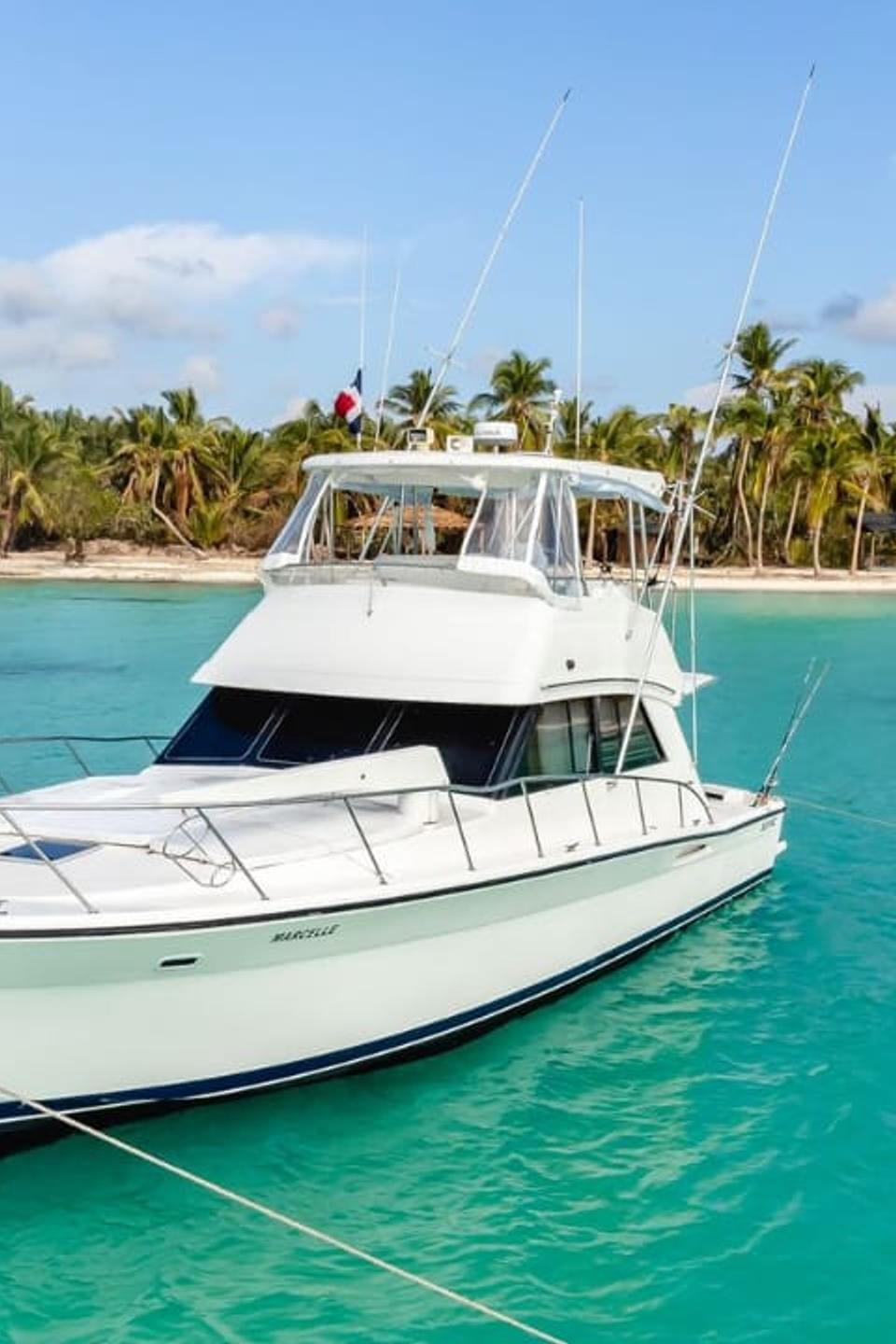
Book with people who actually live here. Cana Tours is Dominican-owned, based in Bávaro, insured, and staffed by humans who answer WhatsApp in your language within the hour. Whether you want the classic Saona Island day, a buggy through Macao, or a private yacht sunset, we build the day around your comfort — not the other way around. See you in Punta Cana.
Statistically comparable, with Punta Cana slightly ahead for tourist-corridor safety in 2026 — fewer cartel-related headlines, a smaller and more contained resort zone. Both destinations are safe if you stay inside the tourist areas and follow common sense. See our full Punta Cana vs Cancun comparison.