Punta Cana Power Plugs & Adapters: What You Need (2026)
Last updated:
The plug fitting is only half the question. Check your device’s input label, bring the right adapter and ask what your accommodation actually provides.
Which power plugs do you need in Punta Cana?
For a Punta Cana holiday, plan for North American-style Type A and Type B connections. Type A has two flat parallel blades; Type B adds a round grounding pin. Dominican tourism information commonly calls the supply 110 V, while electrical travel references describe 120 V: for packing, think of the 110–120 V, 60 Hz supply family, rather than the 220–240 V supply familiar in much of Europe. Neither description is a measurement of your particular room socket.
Before buying anything, put your actual charger and its plug beside your packing list. A photo of the room can help identify available sockets, but a hotel name or star rating cannot tell you which connection is beside your bed. Ask about the room category you booked. This guide deals with charging and electrical compatibility; our complete Punta Cana packing checklist covers the rest of your luggage.
Do US, Canadian, British or European travellers need an adapter?
Many US and Canadian travellers already have compatible Type A/B plugs, so a separate plug adapter may be unnecessary. Still check the device rating and whether a grounded device can connect correctly. Travellers with a British three-pin plug, European round pins or Australian angled pins should pack an appropriate adapter rather than expecting reception to lend one. A socket accepting your plug physically does not, by itself, prove electrical compatibility.
Choose an adapter that supports the plug and grounding requirements of the device you will use. Do not remove a grounding pin or force a plug into an unsuitable outlet. Some rooms have multi-format outlets, but their presence is not guaranteed. Bring the connection you need from home and treat a room’s extra sockets as a convenience, not as the basis of your plan. The same principle applies when travelling with appliances bought in a different country from the one you live in.
Adapter or voltage converter: read the input label first
A plug adapter does not convert voltage or frequency. Look for INPUT on the charger or appliance, not just the brand or the USB output. A label such as 100–240 V, 50/60 Hz includes the local supply range; with an appropriate plug connection, a separate voltage converter is generally unnecessary for that device. Check the exact unit you are packing, since another charger from the same brand can have a different rating.
If the device says only 220–240 V or otherwise does not support the local supply, an ordinary adapter is not the solution. Follow the manufacturer’s instructions about travel use, frequency and any suitable converter; converters have power limits and are not automatically appropriate for every appliance. If the label is unreadable or the instructions are unclear, settle that before departure. Do not use a hotel socket as a trial to discover whether a device is compatible.
Phones, laptops, cameras and USB charging in the room
For a phone and camera, bring the correct cables and a known compatible wall charger. A USB socket in a bedside unit may be absent, slow or unable to charge your device as expected. USB-C describes a connection: laptop charging also depends on the charger’s supported output and the cable. Keep the laptop manufacturer’s requirements in mind instead of assuming a phone charger will replace its power supply.
For two travellers with several devices, think about what must charge at the same time and how many suitable wall connections you need. Respect each adapter and charger’s ratings; avoid stacking adapters or using damaged, loose or overheating equipment. Keep charging equipment dry, uncovered and away from wet beach items. For connectivity after landing and beyond the room, our eSIM, SIM and WiFi guide answers the separate question of how you will get online.
Hair dryers, straighteners and other personal appliances
Hair-styling tools deserve a separate check from phone chargers. A European hair dryer or straightener may not support 110–120 V, even though its plug can be adapted. Some products are dual-voltage; others are not. If a device has a voltage selector, use only the setting and procedure specified by its manufacturer. Do not assume that lower local voltage makes every imported appliance acceptable to use.
Ask whether your room provides a hair dryer before carrying one. Apply the same label-and-instructions check to an electric shaver, breast pump or bottle warmer rather than transferring a compatibility claim from another appliance. If a device is essential to your stay, confirm its power requirements and any backup needs in advance with its supplier and the accommodation. A generic statement that the hotel has American sockets is not enough to resolve those details.
Resorts, apartments and power cuts: what to ask
Ask four specific questions: which outlets are available in the room, whether you can use them near the bed or desk, whether an adapter is provided, and what remains powered if the normal supply is interrupted. Large resorts often have backup generation, but that does not establish continuous power to every socket, room appliance or network device. Avoid treating the word generator as a guarantee of uninterrupted service.
For a rental, ask the host about the actual unit: backup for lighting is different from backup for air conditioning, wall sockets or the building’s internet equipment. Clarify any electricity allowance or separate charge in your booking. Our Airbnb versus resort comparison explains the wider accommodation decision. If your trip depends on scheduled calls, the guide to working remotely from Punta Cana provides the separate planning context; a charged laptop alone does not keep the building’s router online.
Keep your phone ready for a full excursion day
Charge your phone, camera and any power bank before an early pickup. Save the meeting point, booking message and useful contact details so you are not searching for them on a nearly empty battery. During a full-day island outing, such as Saona, photography, navigation and messaging can use more battery than an ordinary beach morning. Do not plan around a charging socket on a bus, speedboat or catamaran unless the provider has specifically confirmed it.
Keep electronics and cables protected from spray, sand and heat, and charge them in an appropriate dry place. For the flight, carry spare lithium batteries and power banks in cabin baggage, including when a cabin bag is taken for gate-checking; check your airline’s current capacity, quantity and onboard-use rules. This is not a promise that every power bank is permitted. You do not need to carry an unnecessarily large one just because the excursion lasts all day.
The final five-minute check before you leave
Check five things together: the plug shape, the INPUT voltage and frequency, the adapter’s rating and grounding, the cables required, and the sockets or backup arrangements confirmed by your accommodation. Pack one small charging pouch where you can reach it on the first evening. If you forget an item, ask your host or reception where the correct replacement can be obtained; do not assume a shop stocks the exact adapter or charger you need.
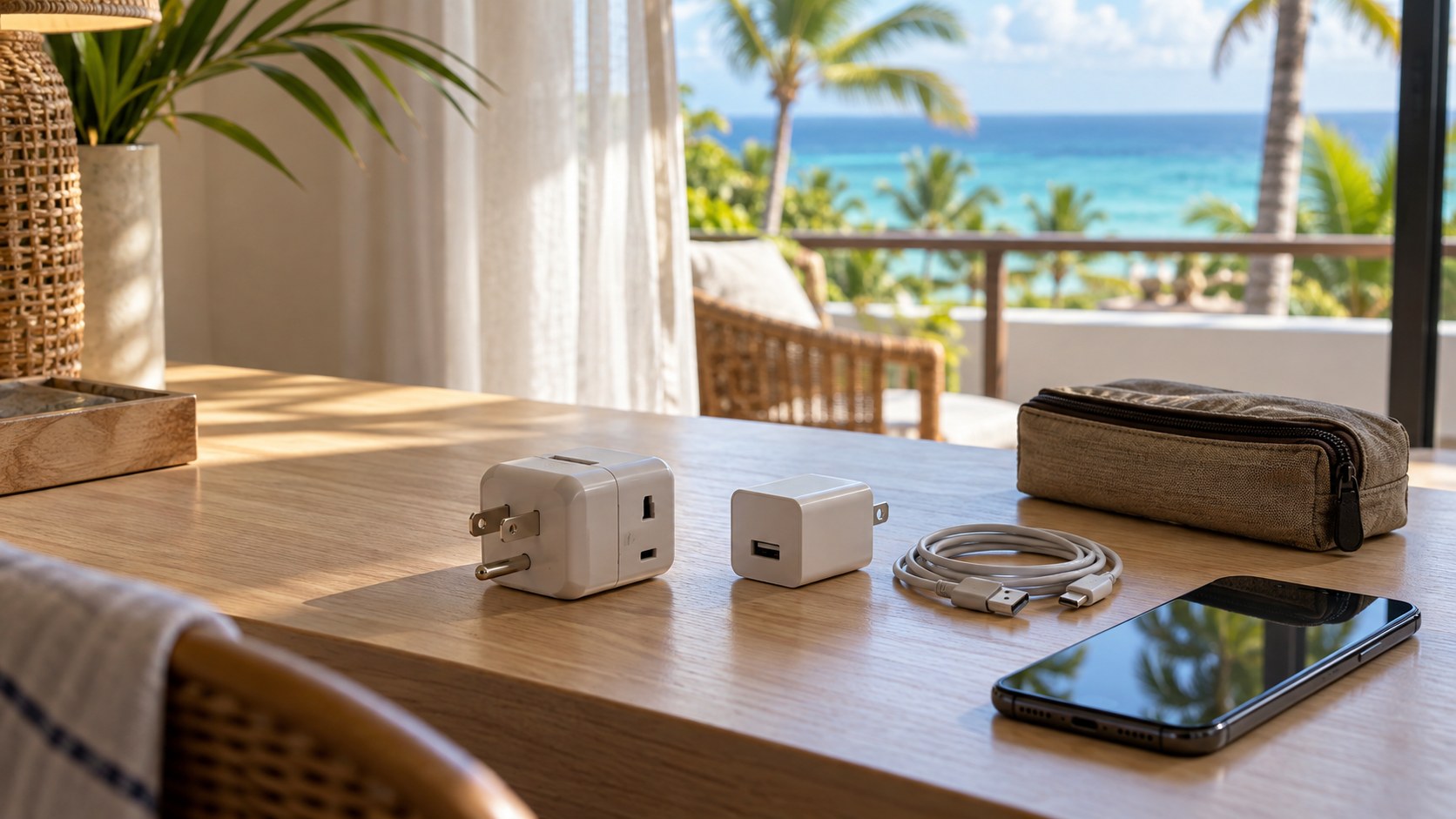
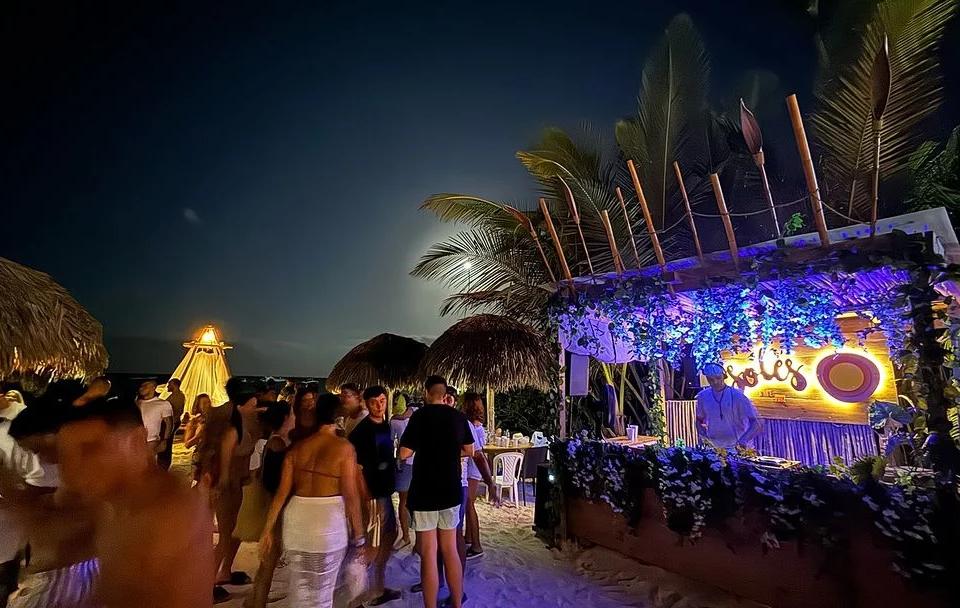
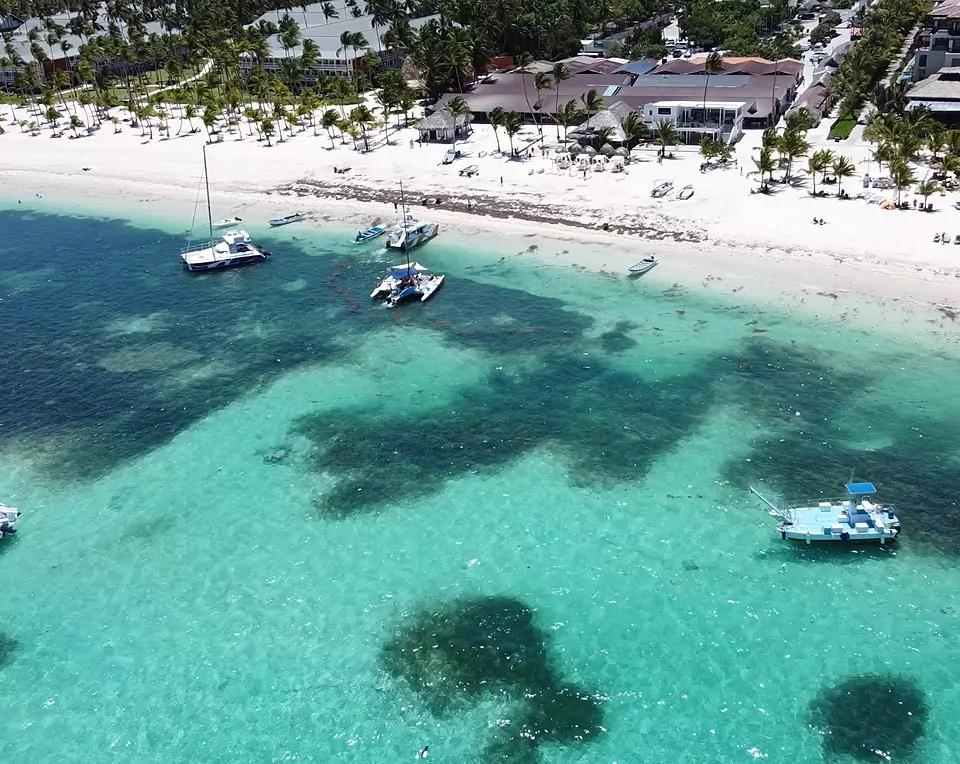
Technical information was checked on 29 October 2026 against Dominican tourism guidance, electrical travel-safety guidance and FAA battery guidance. Your device manufacturer and airline determine the requirements for your own equipment and flight. The cover is an AI illustration, not a photograph of a particular hotel or a wiring diagram. Keep this guide alongside the packing checklist and use Cana.Tours’ existing contact options for questions about a specific excursion’s arrangements.
Often not for a compatible Type A/B plug and correctly rated device. Check grounding and the input rating; do not assume every appliance you own is suitable.