Internet in Punta Cana 2026: eSIM, SIM Card & WiFi Guide
Last updated:
Getting online in Punta Cana is easy once you know the local rules: eSIM for short trips, a prepaid SIM for longer stays, and resort WiFi only for messaging. Here is what we tell guests before they land.
Quick answer: eSIM, local SIM, or just hotel WiFi?
There is no single right answer, but the decision is simple: trips under a week → eSIM; two weeks or more → local prepaid SIM; message-only travellers → resort WiFi plus common sense.
We are Cana Tours, a local operator whose entire booking flow runs on WhatsApp. Every day we see which guests land connected and which spend their first afternoon hunting for WiFi. This guide is what we actually tell friends before they fly — no affiliate links, no carrier deals, just how it works here.
Prices below are the carriers' public prepaid rates at the time of writing and change a couple of times a year — treat them as honest ballpark numbers, not quotes.
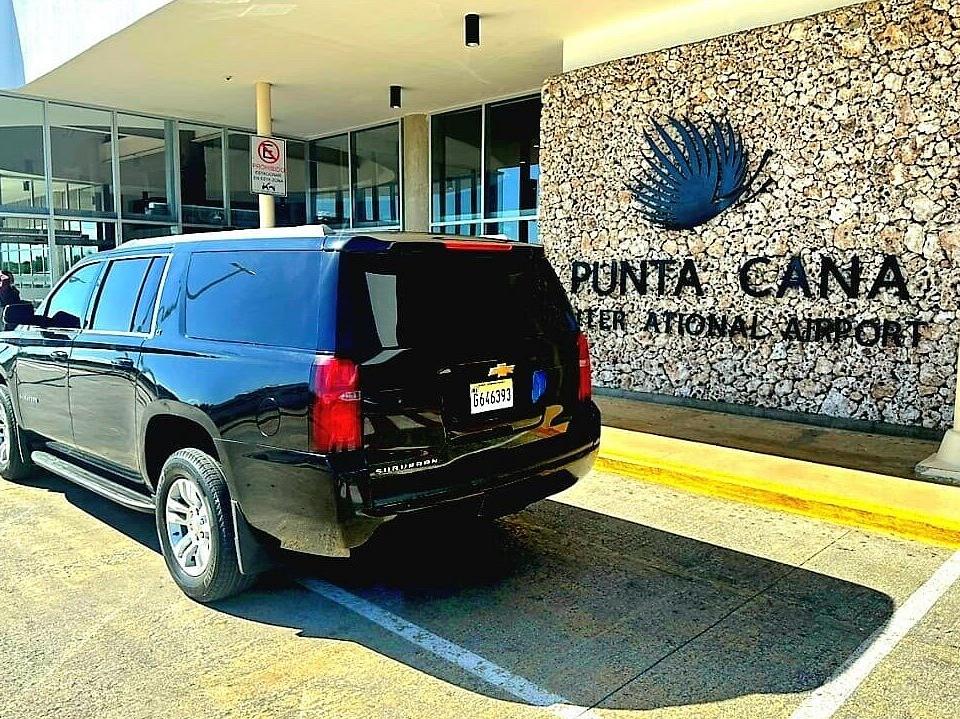
Both Dominican carriers — Claro and Altice — have desks and stores at PUJ in the arrivals area, plus shops in the plazas around Bávaro (Downtown Mall, Plaza San Juan, BlueMall area). The airport is the easiest option: you land, you buy, you are online before your airport transfer pulls out. For the full arrival walkthrough, see our PUJ airport arrival guide.
Bring your passport — prepaid SIMs are registered to an ID by law. Staff at the airport desks speak English and set everything up on your phone in about ten minutes, including APN settings.
Typical prepaid packages run roughly USD 10–20 for 5–10 GB valid a week or two, with top-ups in any colmado or pharmacy. That is several times cheaper per gigabyte than most travel eSIMs, which is why long-stay guests end up here. Pay by card or in USD cash — small notes help.
eSIM: the easiest option for short trips
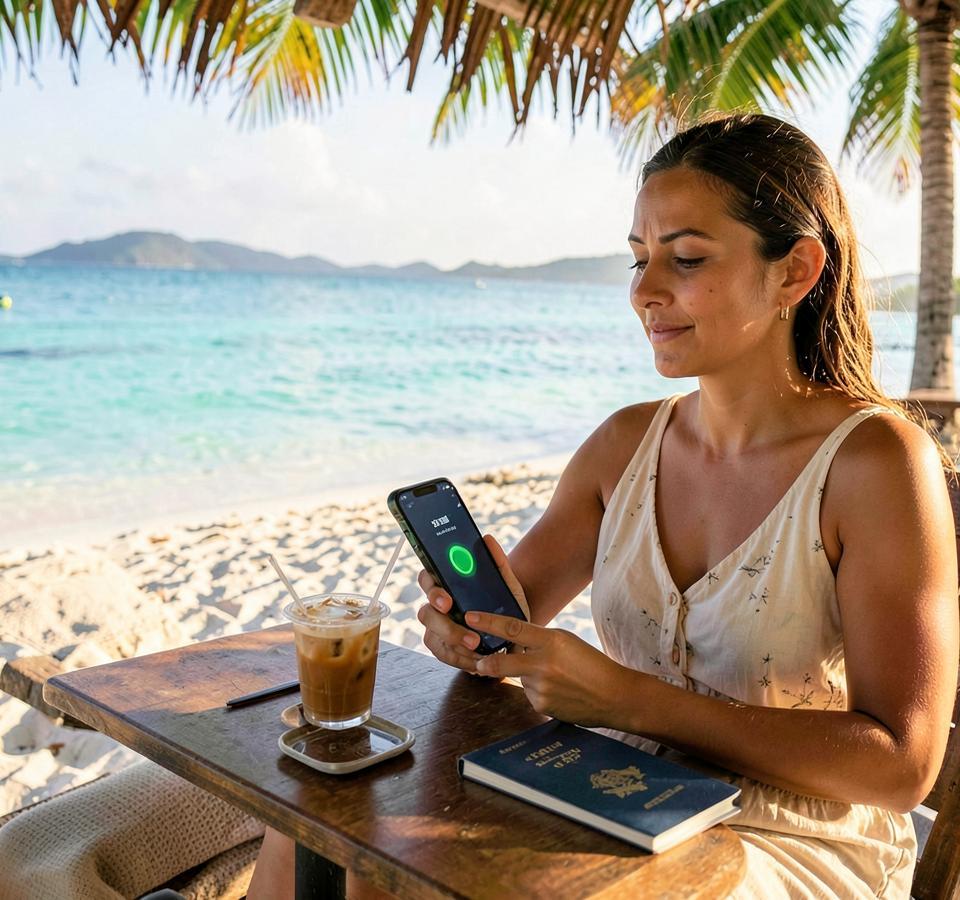
If your phone was made after about 2019 (iPhone XS and newer, most recent Samsung, Pixel and flagship Androids), it supports eSIM — a digital SIM you buy online and install by scanning a QR code, with no shop and no passport queue.
Buy it before departure, install it at home on WiFi, and set it to activate on landing. When the plane doors open at PUJ you have data — which matters more than people expect, because your first job in the terminal is the Dominican Republic e-ticket QR code and a WhatsApp message to your driver.
Travel eSIMs for the Dominican Republic typically cost USD 5–15 for 1–5 GB valid 7–15 days. That is more per gigabyte than a local SIM, but for a normal holiday week of maps, WhatsApp and Instagram it is the zero-effort answer. Check that the plan actually includes the Dominican Republic — some “Caribbean" bundles skip it.
Roaming: when your home plan is enough (and when it is a trap)
Many US carriers include Mexico-and-Canada roaming but charge the Dominican Republic as an international day pass — typically around USD 5–12 per day, billed only on days you use data. Canadian and European plans vary wildly: some EU plans treat the DR as full-price rest-of-world, which can reach shocking per-megabyte rates if your phone starts syncing photos.
Roaming makes sense when the cost is irrelevant (work trip, employer pays) or for a two-night stopover. For a normal week, a 7-day eSIM at USD 10 beats seven day-passes at USD 10 each.
Whatever you choose, turn off data roaming on your home SIM if you are not paying for it deliberately. The classic Punta Cana horror story is a phone that quietly roamed all week at home-carrier rates.
Resort and Airbnb WiFi: the honest version
Every resort in Punta Cana advertises free WiFi, and it exists — but it is shared between hundreds of guests streaming by the pool. The pattern our guests report everywhere: fine for WhatsApp, email and browsing; painful for video calls and uploads between 6pm and 10pm.
Room WiFi is usually weaker than lobby WiFi, and premium-tier room categories sometimes include a faster network — ask at check-in. If you are still choosing where to stay, our honest resort shortlist and the Airbnb vs. resort comparison cover this. In an Airbnb or villa, ask the host for the router speed before you book: fibre is common in Bávaro and Cap Cana and genuinely fast.
If you work remotely, do not rely on any resort network for an important call. A local SIM or eSIM with hotspot from your phone is the backup that never fails — 4G in the resort corridor is strong and stable.
Coverage in the real world: beaches, boats and back roads
The resort strip — Bávaro, Cap Cana, Uvero Alto, the airport road and the main highway — has strong 4G and growing 5G from both carriers. Navigation, ride-hailing and video calls all work. For getting around once you are connected, see our transport guide.
Macao beach is the one tourist spot with genuinely patchy signal — one bar comes and goes. If you are doing the buggy tour, download offline maps and agree on a meeting point beforehand; do not plan to coordinate by phone out there.
Saona and Catalina are essentially offline. The crossing from Bayahibe loses signal about halfway, the islands themselves have little to none, and the natural pool and sandbar stops are a dead zone. The same applies on the party boat route once you are a kilometre off the coast. Tell people you will be unreachable, send your photos in the evening, and enjoy one of the last places on earth where nobody can call you.
WhatsApp is the local operating system
In the Dominican Republic, WhatsApp is not an app — it is infrastructure. Restaurants take bookings on it, drivers send their live location on it, your resort concierge answers on it, and every tour we run is confirmed on it. Voice and video calls over WhatsApp work well even on modest connections.
Three habits that make the whole trip smoother: save your hotel name in Spanish for drivers, send your pickup pin the night before a tour, and download Google Maps offline for the east coast before your first excursion day.
Screenshot your booking confirmations, insurance card and the WhatsApp numbers you need while you are still on home WiFi. On tour days the signal will be the weakest exactly when you feel like sharing the most.
A few small settings prevent the classic problems: turn off automatic cloud photo backup on mobile data, switch app-store updates to WiFi only, and download Netflix or Spotify content at the hotel instead of streaming it on the road.
Public WiFi in cafés and plazas works but is open — avoid banking on it, or use your VPN. Your own phone hotspot from a local SIM is always the safer network.
Travelling with family? Teenagers burn through a 3 GB eSIM in two days of TikTok by the pool — get them on resort WiFi and save the data for navigation and pickups. More practical prep in our packing list, the money guide (cards vs. cash for top-ups), and the complete Punta Cana travel guide.
cana.tours
Ready to book your Punta Cana experience?
Curated tours, no crowds, real local guides. Reach us on WhatsApp for an instant quote.
Yes, virtually all of them, and it is fine for messaging and browsing. It is shared between hundreds of guests, so video calls and uploads are unreliable in the evenings. Premium room categories sometimes include a faster network — ask at check-in.