Hurricane Season in Punta Cana (2026): The Honest Local Guide
Last updated:
Hurricane season runs June to November — but that is a calendar, not a forecast. Here is what those months actually look like on the ground in Punta Cana, and how we handle a booked tour when the weather turns.
Quick answer: how risky is hurricane season in Punta Cana?
The Atlantic hurricane season runs from 1 June to 30 November. That is six months of the year, and most of it is completely normal Caribbean holiday weather. The window where storms actually threaten the eastern Dominican Republic is much narrower: late August to early October.
Even inside that window, a direct hit is unusual. Punta Cana sits on the eastern tip of Hispaniola, and most Atlantic systems either curve north into the open ocean or pass well to the south. The last named storm to make landfall on this coast was Hurricane Fiona in September 2022, near Boca de Yuma. Before that you have to go back years.
We are Cana Tours and we run excursions here every single day of the year, including through September. This guide is what we tell friends who ask whether they should cancel.
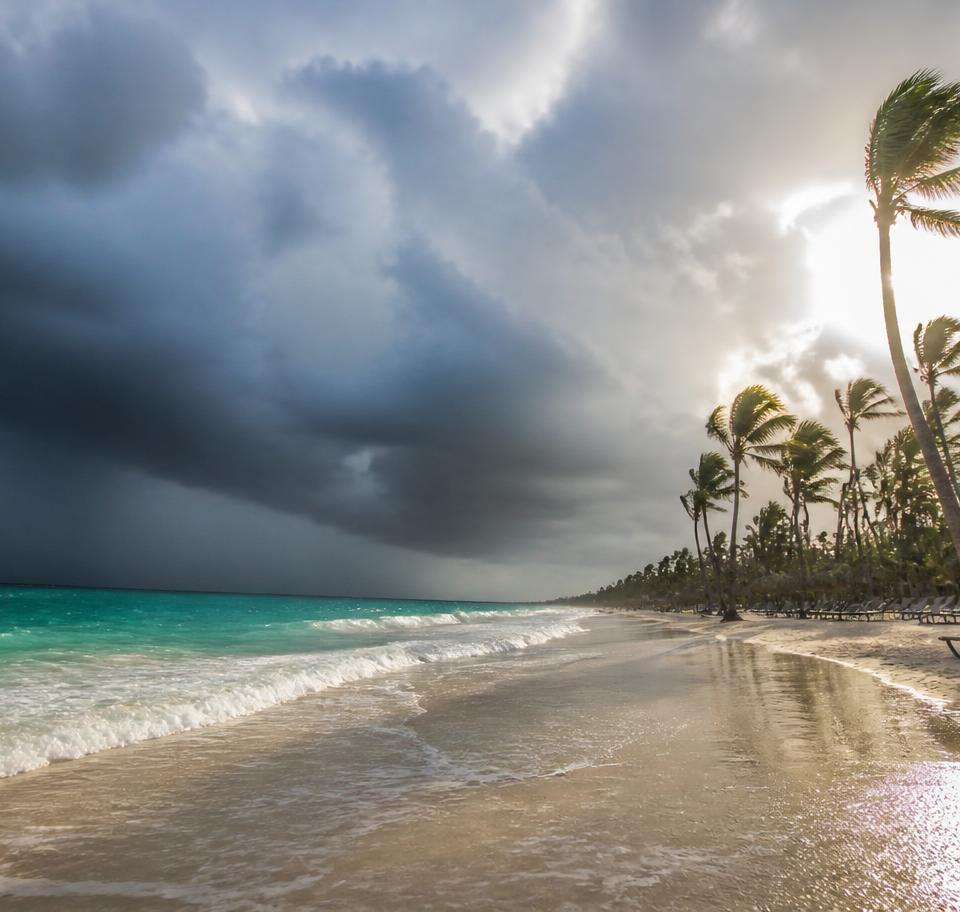
The phrase "rainy season" makes people picture a washed-out week. That is not how it works in Punta Cana. Rain here is usually a fast, heavy tropical downpour that lasts 30 to 60 minutes — often in the late afternoon — and then the sky clears and the sand dries in twenty minutes.
What you notice more than the rain is the humidity and the warmth of the sea. Water temperatures in September sit around 29 °C, which is the warmest swimming of the year.
Month
Typical rain
Storm risk
Crowds & prices
June
Short afternoon showers
Low
Low season, good value
July
Short showers, very sunny
Low
Busy with families
August
Humid, occasional heavy rain
Rising
Moderate
September
Wettest feel, most humid
Highest
Quietest month of the year
October
Frequent short downpours
High early, falling late
Very quiet, best prices
November
Drying out fast
Low after mid-month
Prices start rising
If you want the raw numbers month by month, our Punta Cana weather by month guide has the full breakdown, and the best time to visit guide compares seasons for price, crowds and sea conditions.
Month by month: risk versus reward
June and July. Honestly excellent months. Hot, sunny, occasional short rain, sea warm and usually calm. Storm activity in the Atlantic is normally still building. Flights and hotels cost noticeably less than in February.
August. The heat peaks. Humidity is real, and the first serious systems of the season start appearing on forecasts. Boat tours still run almost every day.
September. Statistically the peak of the season and the quietest month for tourism. Some hotels do maintenance closures. If you come, you get near-empty beaches and the lowest prices of the year, but you should book flexibly and buy insurance.
October. Still active early in the month, then it eases. Rainfall totals are high but delivered in bursts. Sargassum is usually low — see our sargassum guide for how seaweed lines up with the seasons.
November. The turnaround month. By mid-November the risk is essentially gone, the air dries out, and high season pricing has not fully kicked in yet. Our favourite value month.
What actually happens if a storm approaches
Nothing about this is improvised. The Dominican Republic has a well-drilled national emergency system (COE) that issues green, yellow and red alerts by province several days in advance. Resorts follow the same protocol every time.
Yellow alert: water sports and boat departures stop, beach loungers are stacked, the resort keeps running normally. Red alert: guests move to designated interior areas of the hotel, restaurants switch to buffet service, and the property runs on generators if the power drops. Big resorts are built from reinforced concrete for exactly this reason.
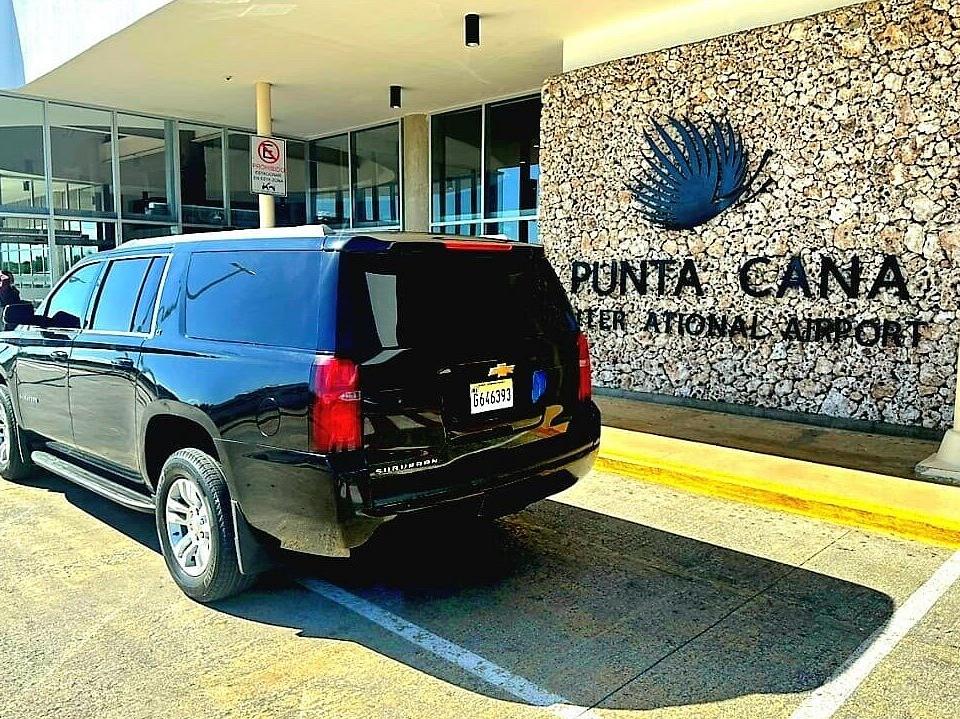
Punta Cana International Airport publishes flight changes early and airlines waive change fees when a storm is named for our region. If you are worried about the ride from the terminal in bad weather, our airport transfer service tracks your flight and waits for delays at no extra cost.
The genuinely likely bad-weather scenario is not a hurricane. It is one grey, rainy day out of seven. Plan for that, not for a disaster movie.
How we handle your excursion when the weather turns
This is the part most guides skip, so here is our actual policy.
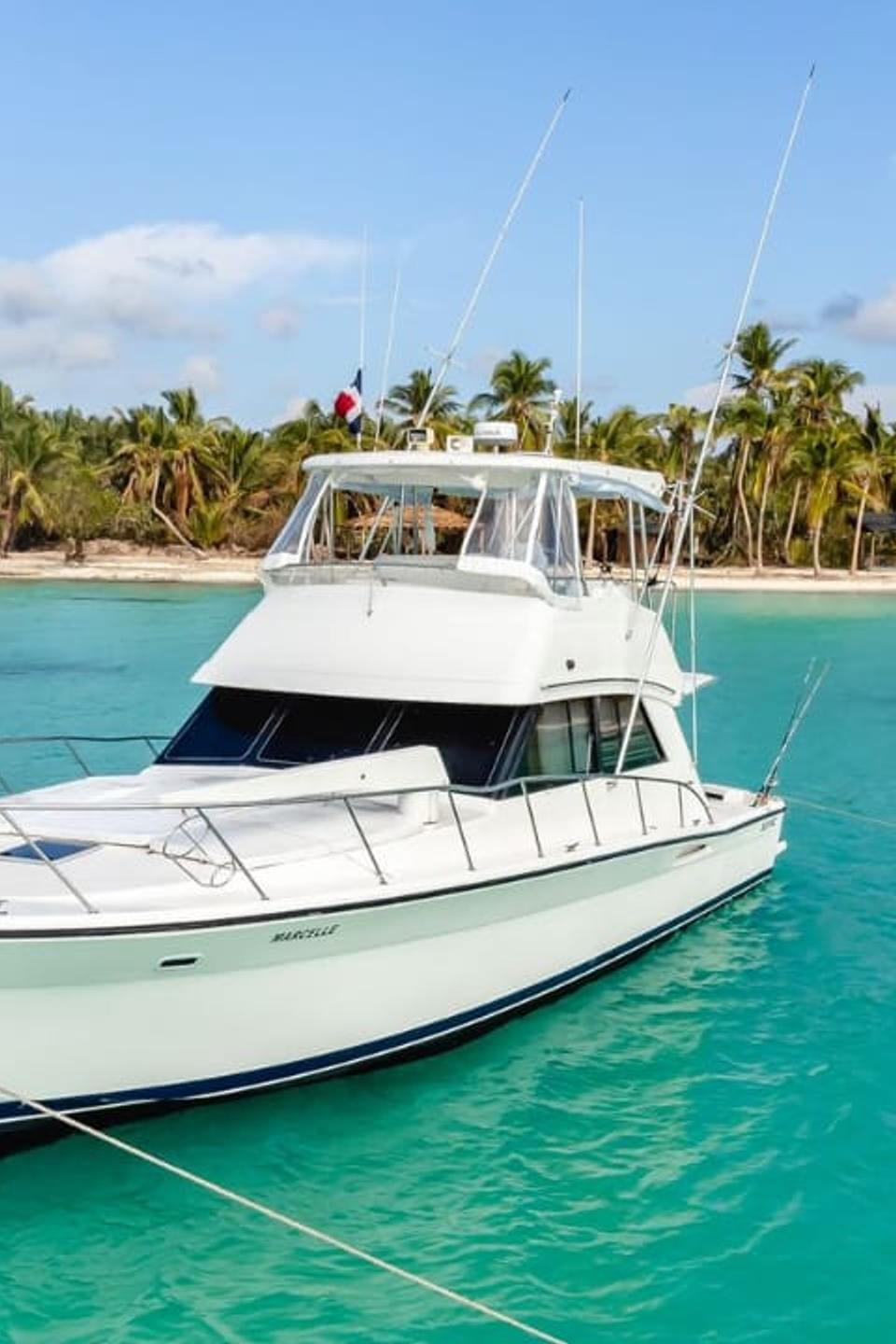
Boat tours are a captain's call.Saona Island, Catalina Island and the party boat only sail when the port authority opens and our captain is comfortable. If the sea is rough or a system is close, we cancel — we do not take people out in bad water to protect a booking. You get a free move to another day of your stay, or a full refund if you are leaving.
Land tours usually run. A buggy tour in light rain is genuinely better — cooler, muddier, more fun. Scape Park and the Santo Domingo city tour continue in showers; you will be wet either way in a cenote.
You get told early. We check the marine forecast the evening before and message you directly on WhatsApp, not two minutes before pickup.
Because you book straight with the operator instead of a resort desk or a big reseller, changing a date is a message, not a claims process. That is one of the practical reasons to book excursions directly.
Some experiences shrug off rain and some do not. This is how we would build a low-season week:
Best rain-resistant options: the buggy adventure (US$ 55 per person), Scape Park with its cenote and ziplines (US$ 129), and the Santo Domingo city tour, which is mostly walking colonial streets and museums.
Book on the best-forecast day:Saona Island (US$ 120) and Catalina Island (US$ 99) are worth waiting two days for. Do not force them on a grey morning.
Keep flexible: arrive, look at the week's forecast with us, and lock in the boat days first. Our day trips guide ranks every option honestly if you want to plan before you land.
A private tour also buys weather flexibility, because the schedule is yours alone — our private vs group comparison explains when it is worth the difference.
Travel insurance and flexible booking
If you travel to the Caribbean in September or October, buy travel insurance. Not because Punta Cana is dangerous, but because a two-day flight disruption is expensive and a good policy costs less than one excursion.
Look for three things: trip interruption cover, weather-related cancellation, and medical cover. Read whether the policy stops covering a storm once it has been named — most do, which is why you buy early, not when the forecast turns.
On the hotel side, book a rate you can change. On the excursion side, we simply do not penalise weather changes.
Packing and planning for the wet months
Add a light rain jacket, quick-dry clothing, a waterproof phone pouch and a dry bag for boat days. Leave the umbrella — the rain comes sideways and the wind eats umbrellas. Our full Punta Cana packing list covers the rest.
Two planning habits that make a low-season week work: book your beach and boat days early in the trip so you have spare days to reschedule, and keep one indoor or town day in reserve.
Officially 1 June to 30 November. The genuinely active period for the eastern Dominican Republic is late August to early October, and even then most systems pass north or south of us.