Saona Island (2026): The Complete Guide from a Local Operator
Last updated:
Saona is the Dominican Republic's most-booked island day — and the most misunderstood. Here is the honest operator's guide: real transfer times, boat differences, what lunch is actually like, and when the day is worth it.
What Saona Island actually is
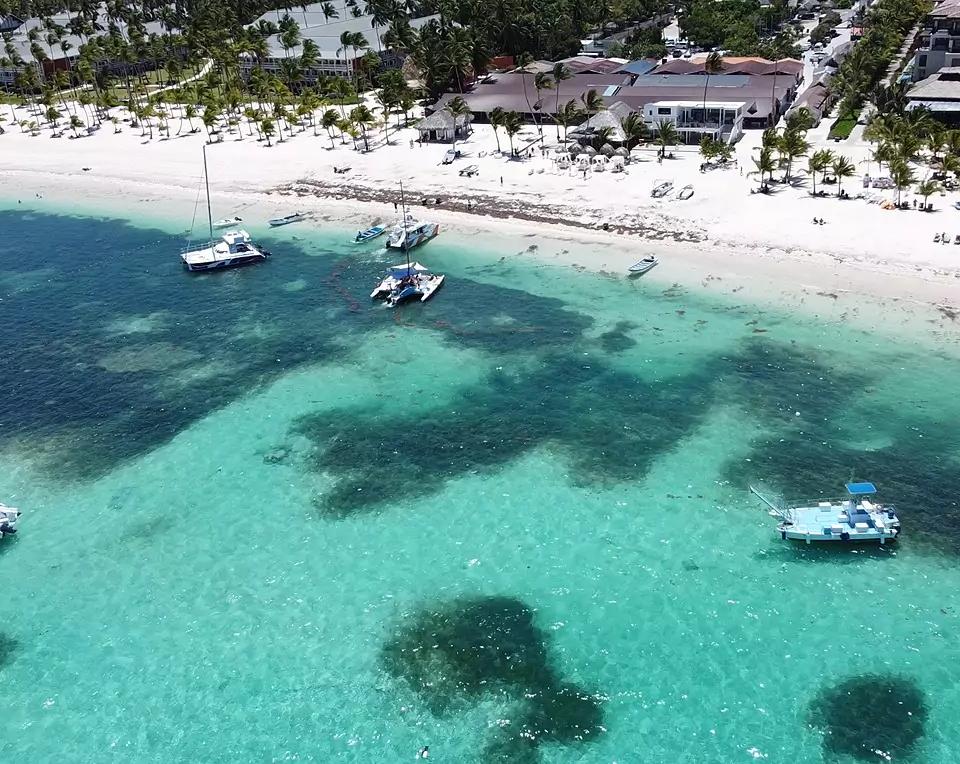
Saona (Isla Saona) is a 110 km² island off the south-eastern tip of the Dominican Republic, entirely inside Parque Nacional del Este — a protected national park since 1975. No resorts are allowed on it. Two small villages, Mano Juan and Catuano, hold a few hundred residents who live from fishing and from the visitors who arrive by boat each morning and leave before sunset.
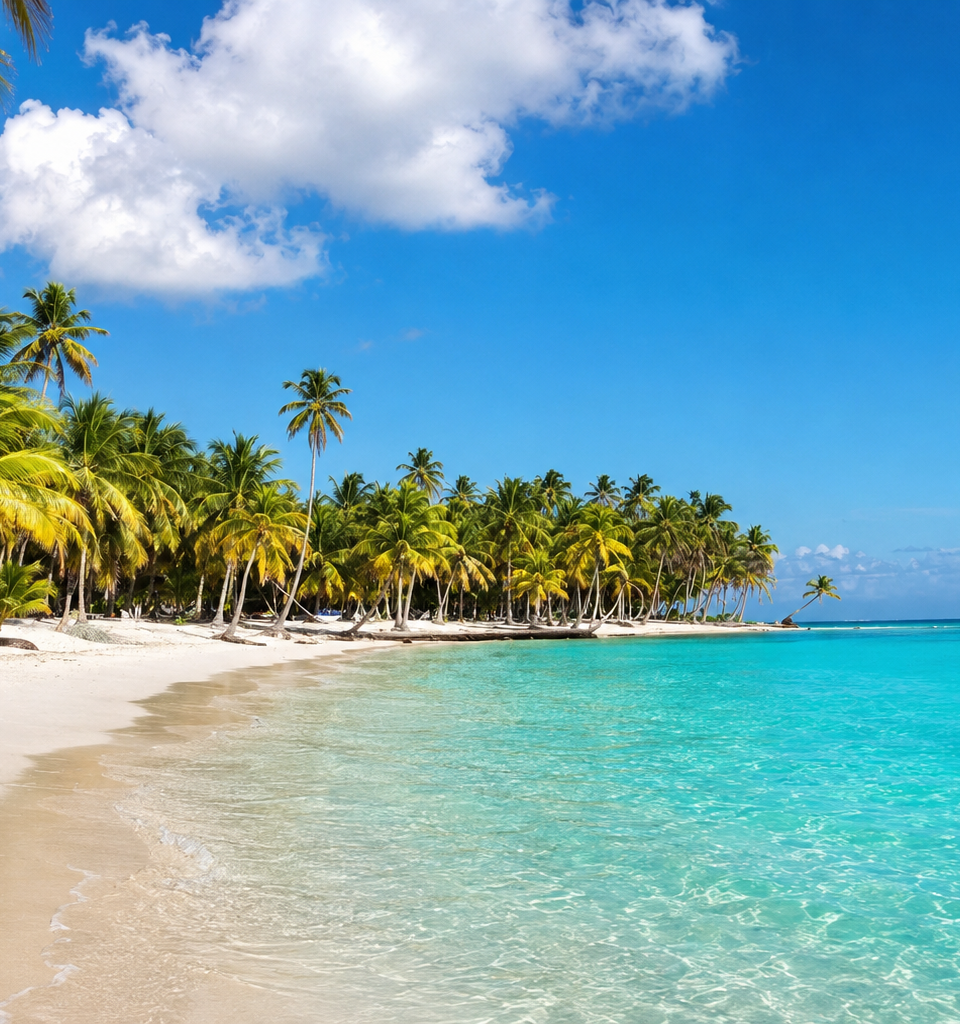
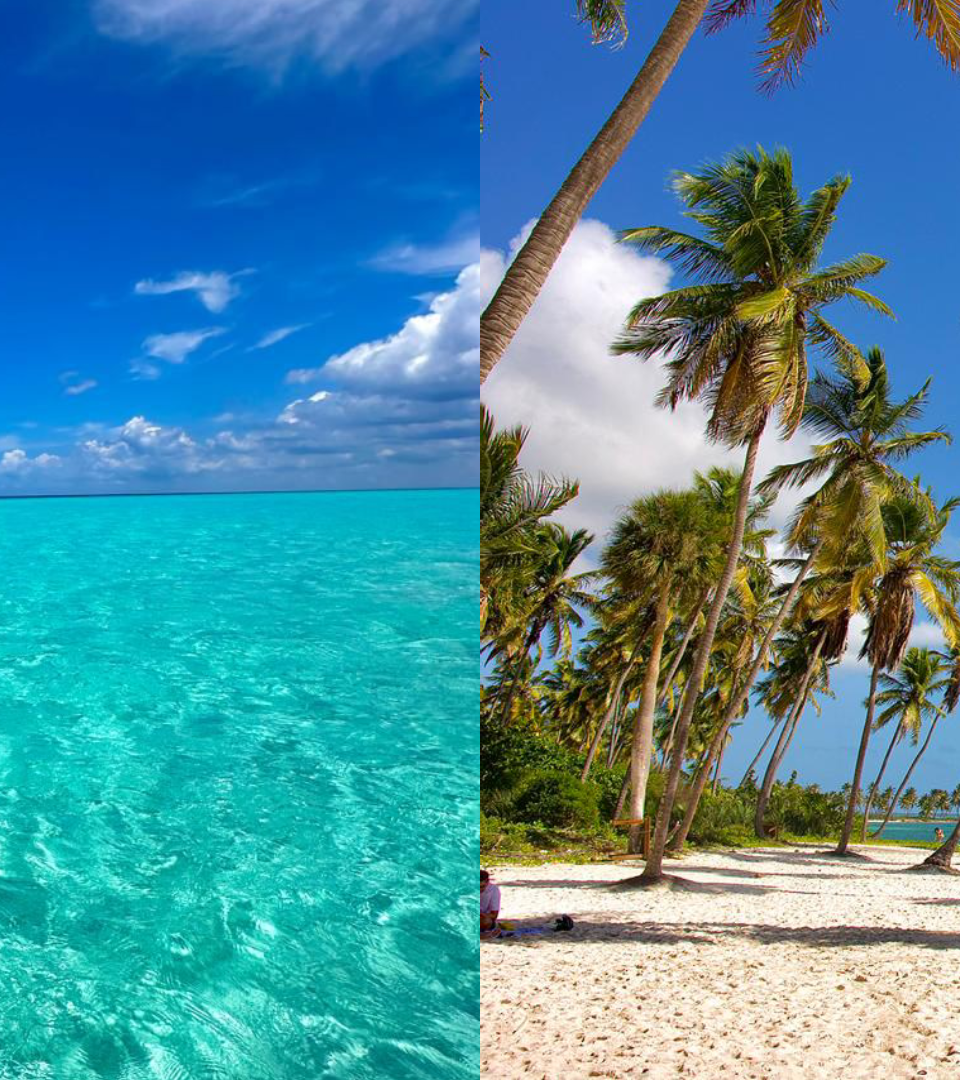
That protected status is the whole reason the day works. There is no development on the beach line, no jet-ski rental strip, no high-rise behind the palms. What you see is close to what Columbus's crews saw when they named it in 1494 after Savona in Italy.
It is also the single most-booked excursion in the country. On a busy dry-season day, 2,000–3,000 people visit. Knowing how that flow works — and how to sit outside it — is the difference between a postcard day and a queue.
Passing through the departure area is different from exploring it. Our visitor guide to Bayahibe and Dominicus helps you plan time ashore before or after a separately arranged island day.
Every legitimate Saona trip departs from Bayahibe, a fishing village near La Romana. From central Bávaro the drive is about 1 hour 30 minutes on the Boulevard Turístico del Este; from Uvero Alto add 25–35 minutes, from Cap Cana subtract about 15, and from Punta Cana airport hotels it is roughly 1h15.
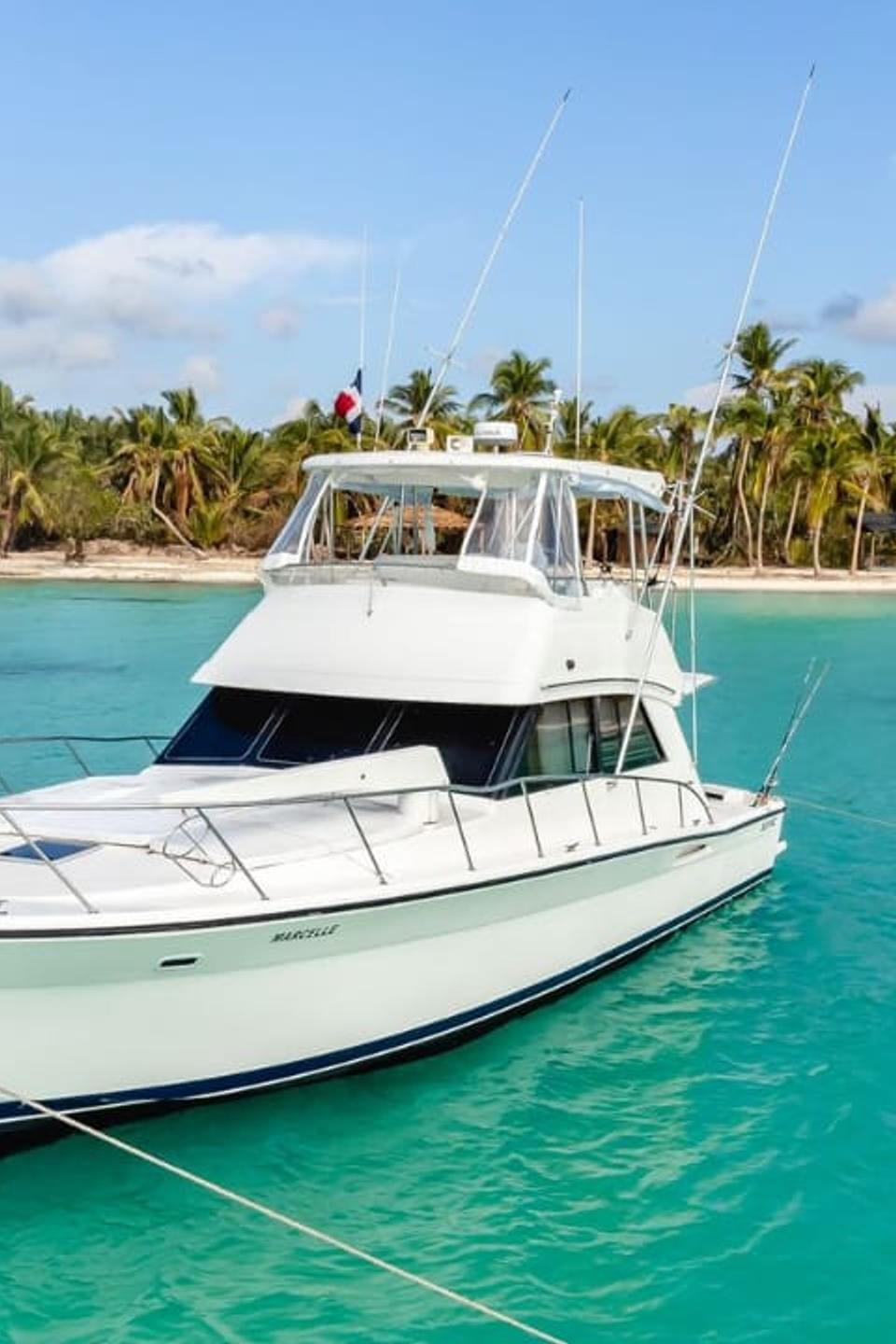
From Bayahibe you cross to the island by catamaran (roughly 60–75 minutes under sail) or by speedboat (25–35 minutes, weather dependent). Most itineraries do one boat type out and the other back, which is why "the catamaran tour" still involves a speedboat leg.
There is no bridge, no ferry from Punta Cana, and no way to drive. If an offer promises departure from Punta Cana beach, what it means is a bus to Bayahibe with the boat leaving from there.
Total door-to-door time is the number people underestimate: 9 to 11 hours, with pickups between 06:30 and 08:00. Treat it as a full vacation day, not a morning out. Our full ranking of the alternatives is in best day trips from Punta Cana.
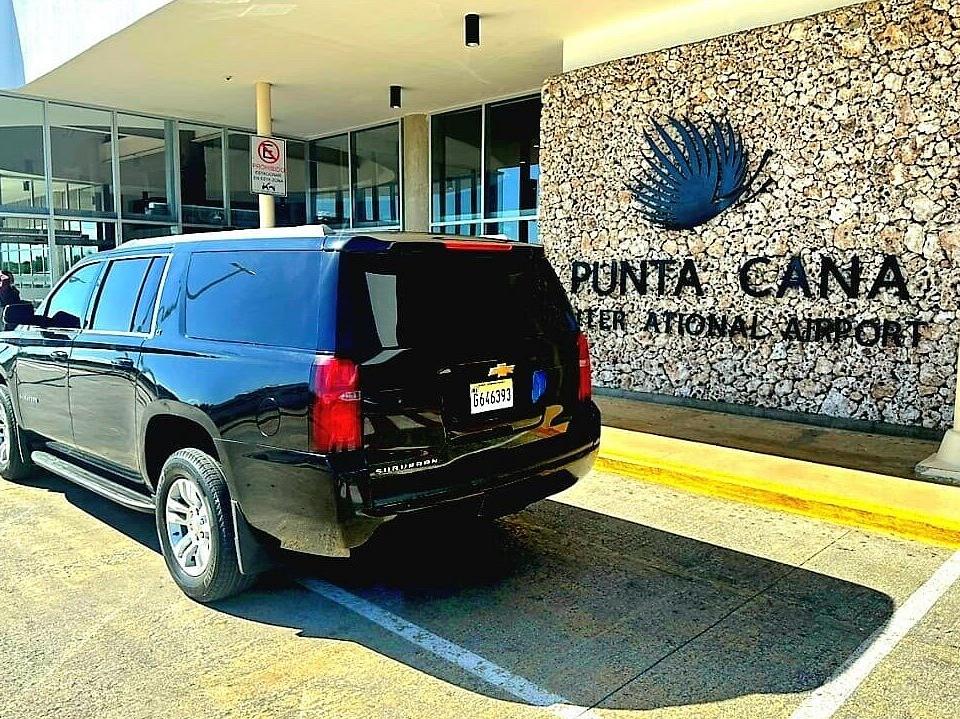
For the practical arrangements after booking, our guide to excursion pickups from hotels and rentals explains hotel lobbies, rental meeting points, confirmed times and what to do if collection is delayed.
Catamaran vs speedboat: the choice that defines your day
Catamaran day
Speedboat day
Total duration
10–11 hours
8–9 hours
Group size
40–120 guests
10–20 guests
Crossing
60–75 min under sail
25–35 min
Atmosphere
Music, dancing, open bar
Faster, calmer, more stops
Typical stops
Starfish pool + main beach
Starfish pool, Mano Juan, Canto de la Playa, main beach
From
US$89 per adult
up to US$149 per adult
Best for
Groups, first-timers, social travellers
Couples, photographers, anyone short on patience
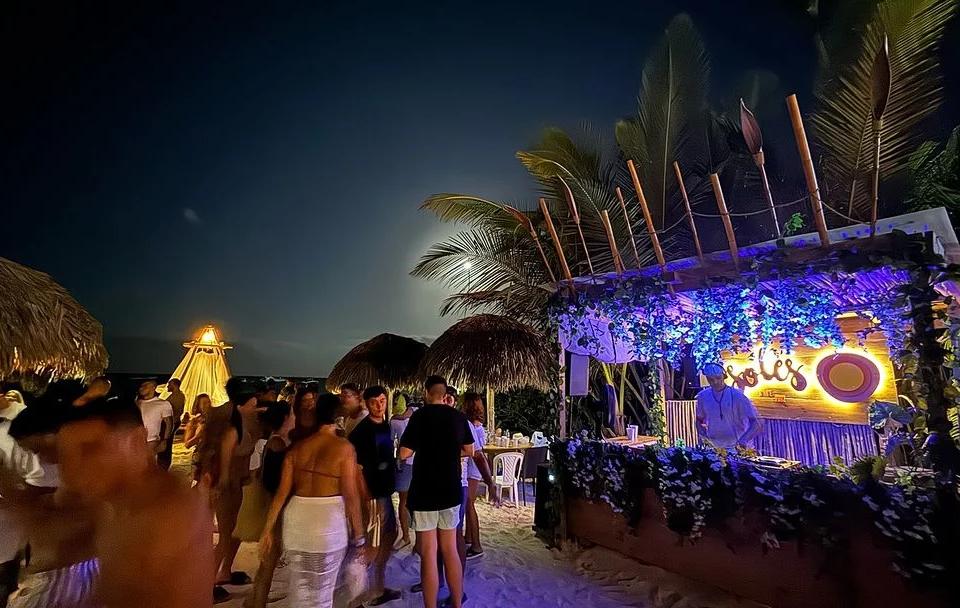
The catamaran is the classic. It is genuinely fun — merengue on deck, rum and cola, people dancing before 10 a.m. — and it is the cheapest way onto the island. The trade-off is scale: you move with a large group, the beach stop is the busiest part of the island, and you get home late.
The speedboat version costs more and gives back two hours of your day plus a much smaller group. It usually adds Mano Juan village and, sea conditions permitting, Canto de la Playa on the eastern shore — the quietest beach a day-tripper can reach.
If neither model fits, the third option is going private. A private Saona excursion or a private yacht charter from Bayahibe means your own departure time, your own route and no shared schedule. We quote those per group on WhatsApp rather than per person — the honest comparison of the two models is in private vs group excursions.
The starfish pool at Palmilla — what it is and the one rule
Halfway between Bayahibe and Saona, a shallow sandbank called Piscina Natural de Palmilla rises to waist depth in the middle of open water. Boats anchor, everyone gets in, and the crew serves drinks standing in the sea. Cushion sea stars (Oreaster reticulatus) live on the sand below.
The rule: never lift a starfish out of the water. They breathe through structures that collapse in air, and a few seconds "for a photo" can kill an animal that took five years to grow. Park regulation and every reputable operator prohibit it. Take the photo underwater or with the animal still submerged in your open palm below the surface, or better, leave it where it is.
Water depth at Palmilla varies with tide — between roughly 0.8 m and 1.5 m. Non-swimmers are fine here; children need supervision because the sandbank drops off at the edges.
The beaches: which part of Saona you actually see
Playa Palmilla / main beach (Punta Gorda area): where nearly every group tour lands. Wide white sand, coconut palms, buffet tables under thatch, hammocks and toilets. Beautiful, and busy between 11:30 and 14:00.
Mano Juan: the postcard fishing village — rows of pastel wooden houses, a turtle sanctuary (Fundación Grupo Puntacana works with local hatchlings), and a slower feel. Usually only on speedboat and private itineraries.
Canto de la Playa: the eastern beach, the one that shows up in photos with nobody in them. It requires calm seas and a boat willing to run the extra 20 minutes.
Laguna de los Flamencos: an interior lagoon on the island's west side, occasionally visited on private routes; flamingo sightings are seasonal and never guaranteed.
Hour by hour: what a Saona day really looks like
Time
What happens
06:30–08:00
Hotel pickup, depending on zone (Uvero Alto first, Cap Cana last)
08:30–09:00
Arrival in Bayahibe, check-in, life jackets, group split by boat
09:15
Departure — speedboat direct, or catamaran under sail
10:00–10:45
Starfish pool at Palmilla, 30–45 minutes in the water
11:30
Landing on Saona, free beach time
12:30–13:30
Dominican buffet lunch: grilled chicken or fish, rice, salad, fruit
14:00–15:00
Last swim, souvenir stands, boarding call
15:30–16:30
Return crossing (catamaran groups return later)
17:00–19:00
Bus back to Bávaro / Punta Cana hotels
The clock is the part guests remember most, so plan around it: no dinner reservation before 20:00, no spa booking the same evening, and no Saona on the day you fly home.
Prices in 2026 and what is genuinely included
Our current published rates: catamaran + speedboat combination from US$89 per adult, and the small-group speedboat itinerary up to US$149 per adult, with reduced children's rates. Every tour includes hotel pickup and return, the boat, the national park entrance, buffet lunch and open bar (rum, cola, water, soft drinks; beer on most departures).
Not included: tips (US$10–20 per person for a full day is normal), souvenirs, photos sold on the beach, and any optional extras sold on board. Bring small US dollar bills.
Resort tour desks resell the same boats with a 30–60% markup and usually cannot tell you which vessel you are on. We confirm on WhatsApp, take no prepayment, and you pay cash or card on the day — free cancellation up to 24 hours before pickup.
Sargassum, weather and the honest seasonal picture
Saona's visitor beaches face south and west, sheltered from the Atlantic drift that pushes sargassum onto the east-facing coast at Bávaro and Macao. In practice this means Saona is often the cleanest beach day available during a sargassum stretch — which is exactly why bookings spike in those weeks. It is not immune, but it is far better placed. Background in our Punta Cana sargassum guide.
December–April: peak season, driest weather, but stronger trade winds — the crossing can be choppy in January and February. May–July: calm seas, warm water, fewer boats. August–October:hurricane season; individual days get cancelled but most weeks run normally. November: the wettest month on average and the quietest island.
Trips are cancelled for sea state, not rain. If yours is cancelled, we move it — and because nothing is prepaid, there is nothing to chase. More on timing in the best time to visit Punta Cana.
Saona vs Catalina: which island for your trip
Both leave from Bayahibe and both are inside the national park, but they are different days. Saona is the long, iconic, social one: bigger beaches, the starfish pool, more people. Catalina is the reef day — "The Wall" is genuinely good snorkelling by Caribbean standards, the beach is smaller and the crowds are a fraction of Saona's.
Rule of thumb: first visit to the DR, do Saona. If you snorkel, dive, or already did Saona on a previous trip, book Catalina Island. The detailed head-to-head is in Saona vs Catalina.
We would rather tell you before you book. Skip it if you get badly seasick and December–February winds are running; skip it if you have less than four full days and would resent losing one to a bus; skip it if very large groups ruin a place for you and the private option is out of budget; and skip it if your only free day is your departure day.
If any of those apply, a half-day works better: the catamaran party boat from Cabeza de Toro is four hours with a snorkel stop, and there is plenty more on the excursions page.
What to bring, and what to leave at the hotel
Bring: reef-safe sunscreen (regular sunscreen is discouraged in the park), a hat, sunglasses with a strap, a towel, a dry bag or zip bag for your phone, small USD bills, motion-sickness tablets taken 45 minutes before boarding, and water shoes if you dislike shell fragments underfoot.
Leave behind: jewellery, your passport (a phone photo is enough), anything you cannot afford to lose overboard, and single-use plastic — the park discourages it and the crew will ask you to take it back.
Ask your hotel for a breakfast box the night before. Almost every all-inclusive does this for excursion guests and it removes the worst part of a 06:30 pickup.
Booking Saona the smart way
Book it early in the week, not on your last day: if weather moves it, you still have space to reschedule. Confirm which boat you are on and how many guests it carries before you pay anything — the answer tells you most of what you need to know about the day.
We are a locally run operator in Punta Cana. We confirm by WhatsApp, take no upfront payment, and you settle in cash (USD, EUR or DOP) or by card on the day. If you want the island without the crowd, ask us about a private departure — it is the same island, on your schedule.
Nine to eleven hours door to door. Pickups run between 06:30 and 08:00, the drive to Bayahibe takes about 1h30, and most guests are back at their hotel between 17:00 and 19:00.