Punta Cana Health Guide 2026: Water, Food, Mosquitoes & Pharmacies
Last updated:
Punta Cana is an easy destination healthwise — but four things actually matter: water, sun, mosquitoes and insurance. Here is what we tell guests after guiding thousands of them, without the scare stories.
Quick answer: how careful do you need to be in Punta Cana?
Punta Cana is one of the easiest tropical destinations in the world healthwise. There is no malaria in the resort zone, no required vaccinations, drinkable bottled water in every shop and modern private hospitals ten minutes from the hotel strip.
In practice, the guests who lose a day of their holiday lose it to sun, alcohol and dehydration — almost never to something exotic. The four things worth planning for are water, sun, mosquitoes and insurance. Everything else is common sense.
We are Cana Tours, a local operator running excursions here every day of the year. This is the same advice we give friends, not a medical article copied from a government website. It is general travel information, not medical advice — for anything personal, ask your own doctor.
No — and nobody here does, including Dominicans. Tap water is treated but travels through old pipes and rooftop tanks, so locals drink bottled or 5-gallon purified water at home too.
Bottled water costs very little in any colmado or supermarket, and most resorts refill your room daily. Use bottled water for drinking and for taking pills; brushing your teeth with tap water is what most residents do without issue, but if you have a sensitive stomach, use bottled for that too.
Ice is fine. Hotels, restaurants and our boats use purified ice from commercial plants. The same goes for cocktails, coffee and the fresh juices at resort buffets. Salads and cut fruit in hotels are washed with treated water — the risk is street stalls without refrigeration, not the buffet. For where to eat well, see our Dominican food guide.
Traveller's stomach: the real causes and what to pack
Most upset stomachs in Punta Cana come from a predictable combination: 32°C heat, six hours of sun, unlimited cocktails, unfamiliar spices and a buffet plate that has been under a warming lamp too long. Your gut is dealing with a new bacterial mix, not a disease.
How to avoid it: drink far more water than you think you need, go easy on the first day's rum, eat hot food that is actually hot, skip re-heated seafood at a buffet, and use hand gel before eating. Freshly cooked Dominican food from a busy local spot is usually safer than a lukewarm international buffet.
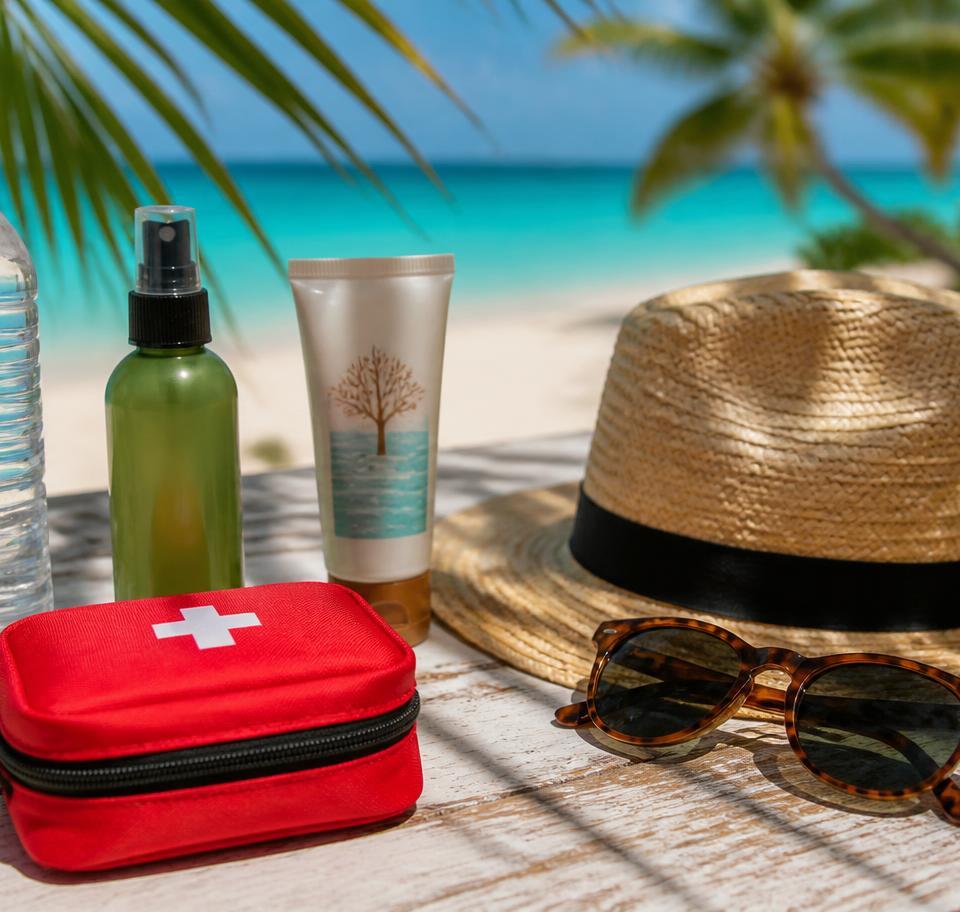
What to pack: oral rehydration salts (the single most useful item in your bag), loperamide, paracetamol or ibuprofen, antihistamine tablets, and any prescription medication in its original box. See our Punta Cana packing list for the full version.
See a doctor if there is blood, a fever above 39°C, vomiting that stops you drinking, or symptoms lasting more than two days — especially with children or older travellers. A resort doctor can treat it in an hour with fluids.
Mosquitoes, dengue and other bites — the honest version
There is no malaria risk in Punta Cana, Bávaro, Cap Cana or Uvero Alto. Dengue is present in the Dominican Republic, mostly in dense urban areas and inland towns during the rainy season; cases among resort guests are uncommon but not zero. Zika and chikungunya circulate at low levels. The prevention for all of them is identical: don't get bitten.
Mosquito activity peaks at dawn and dusk and after rain, which means May to November is buggier than January to April. Check our month-by-month weather guide if you are still choosing dates, and the hurricane and rainy season guide for what those months feel like.
What works: repellent with 20–30% DEET or 20% icaridin, applied over sunscreen, reapplied after swimming. Long sleeves at sunset dinners. Air conditioning on at night. What doesn't work: citronella bracelets and ultrasonic apps.
Sand flies ("mimes") on quiet beaches such as Macao at dusk are the more common complaint — tiny bites, very itchy, harmless. Antihistamine cream sorts them out. Also watch for sea urchins on rocky sections and, rarely, jellyfish; our guides point out where to enter the water.
Sun, heat and sea safety — the risks people underestimate
The UV index in Punta Cana regularly hits 11+ between 11am and 3pm. A first-day sunburn ruins more holidays here than any illness. Use SPF 50, reapply every two hours and after every swim, wear a hat and rash guard on boat days, and take shade in the middle of the day.
Buy reef-safe (mineral) sunscreen if you can — Saona and Catalina are protected areas and some catamarans ask for it. On our Saona Island day trip you are on open water for hours with reflected light from white sand: that is the single easiest place to burn.
Heat exhaustion sneaks up on the buggy tour and on long beach days: headache, nausea, no sweating. Water, shade, electrolytes, and stop. On the party boat, alternate every drink with water.
In the sea, the calm turquoise water of Bávaro and Juanillo is safe for weak swimmers. Macao Beach has real surf and rip currents — swim where locals swim and respect a red flag. Seaweed season is a comfort issue rather than a health one: our sargassum guide explains which beaches stay clear.
Pharmacies, doctors and hospitals in Punta Cana
Pharmacies: Farmacia Carol, Farmacia Bávaro and other chains are in every plaza, and many are open late or 24 hours. Antibiotics, anti-nausea medication, strong painkillers and creams are usually sold over the counter, and pharmacists here are used to advising tourists. Bring the generic name of anything you take regularly — brand names differ.
Resort doctors: every large hotel has an on-site clinic or a doctor on call. It is fast and convenient, and it is private care — always ask the price before treatment and keep every receipt for your insurer.
Hospitals: Hospiten Bávaro and IMG / Centro Médico Punta Cana are the main private hospitals for the tourist zone, with English-speaking staff, emergency rooms and pharmacies attached. Public hospitals exist but are not where visitors normally go.
Emergencies: dial 911. The Dominican 911 system covers the Punta Cana region with ambulances and responds properly. Tell them the hotel name — it is the fastest landmark.
Pack cash or a card for medical costs; see our money guide for how payments work locally.
Travel insurance: what it actually needs to cover
Private healthcare here is good and it is not free. Take insurance that covers medical treatment and hospitalisation abroad, medical repatriation, and the activities you booked — some cheap policies exclude quad bikes, buggies, jet skis, diving or boat excursions, which is exactly what people do in Punta Cana.
Also check: cover for lost prescription medication, a 24-hour assistance line, and direct billing with hospitals (otherwise you pay and claim back). Save the policy number in your phone and screenshot it — mobile data on arrival is not guaranteed.
Keep every invoice, prescription and diagnosis in writing. Dominican clinics issue proper paperwork for insurers if you ask at the desk.
Boat days (Saona, Catalina, catamaran): take a seasickness tablet 45 minutes before departure if you are prone — not after. The crossing to Saona is usually smooth, but wind picks up in the afternoon. Eat something light beforehand, sit mid-boat, look at the horizon.
Buggy and horse riding: dust and sun are the issues. Sunglasses or goggles, a bandana, closed shoes and water in the vehicle. Asthmatic guests should carry an inhaler — the trails through Macao are dusty in dry season.
Cenotes and parks: at Scape Park the water is fresh and cold, the walkways are wet, and grip matters more than style in your footwear.
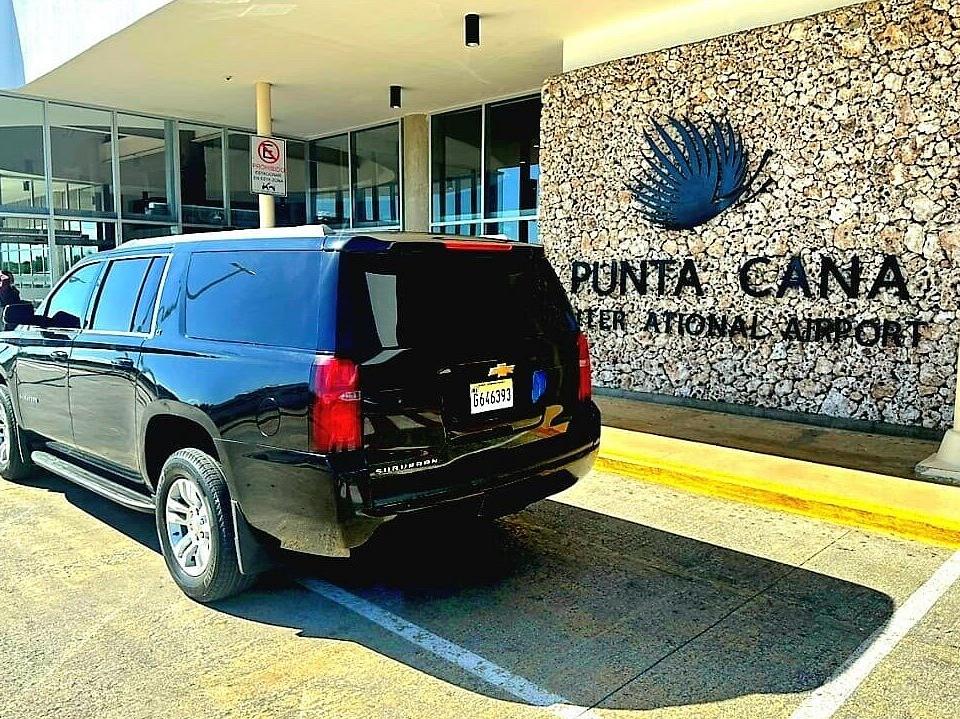
Transfers: the road from the airport is fine, but air conditioning plus dehydration equals headaches — our airport transfer vehicles carry water. If you are travelling with children, our Punta Cana with kids guide has the family-specific details, and getting around Punta Cana covers taxis and rentals.
Everything on our tour list is run by our own guides, so if you tell us about a medical condition, motion sickness or dietary restriction when booking, we plan around it.
cana.tours
Ready to book your Punta Cana experience?
Curated tours, no crowds, real local guides. Reach us on WhatsApp for an instant quote.
No. Drink bottled or purified water, which is cheap and available everywhere. Ice and drinks in hotels, restaurants and on our tours are made from purified water and are safe.